Dimensional Change
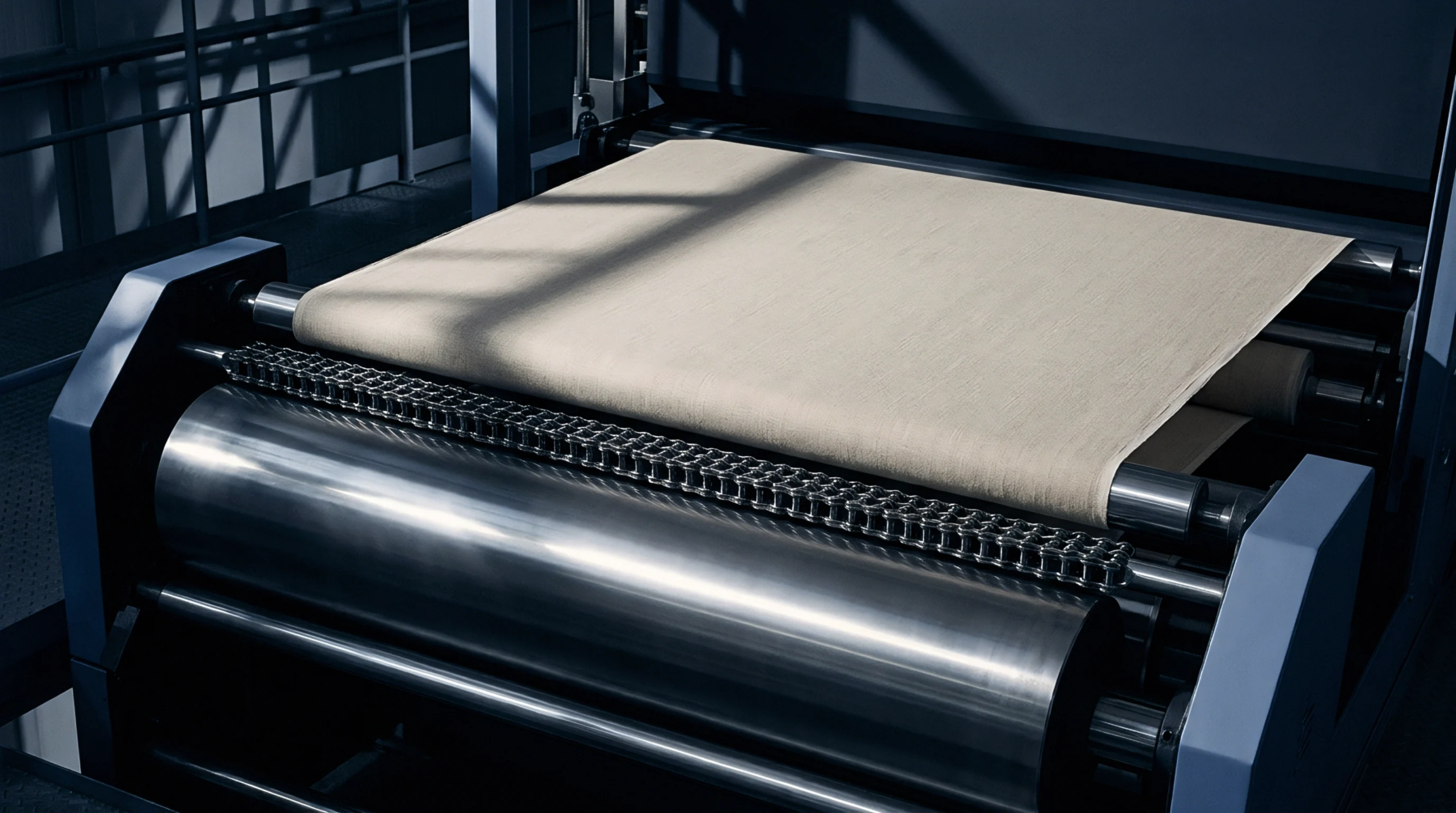
Percentage reduction in length and width from the reeded warp dimensions to grey or finished woven fabric quantifies physical yarn crimp and thread crowding. Calculations of fabric contraction guide mill planners in setting reed width and warp length on weaving looms. Because flax fibre lacks natural elasticity, warp yarns bend around stiff weft yarns, shortening the overall fabric length during loom release.
This dimensional shift affects material usage.
Structural Shift
Interlacing geometry and wet finishing treatments drive the degree of dimensional change in linen goods. High pick counts increase thread bending, which raises warp contraction while forcing weft threads to remain relatively flat. During scouring and bleaching in Chinese finishing plants, released internal yarn stresses cause further fabric contraction along both axes.
Processing un-shrunk flax fabrics through continuous washing lines causes dimensional shifts ranging from five percent to twelve percent depending on weave structure and yarn count. Mill technicians measure off-loom dimensions against loom settings to verify yarn consumption targets before mass weaving begins.
Yield Limit
Maximum contraction limits occur when yarn spacing reaches full packing density within the weave structure. Stenter frame drying fixes final fabric width, overriding natural relaxation forces under mechanical tension. Subsequent laundering will not alter dimensions once heat setting establishes stable thread spacing.