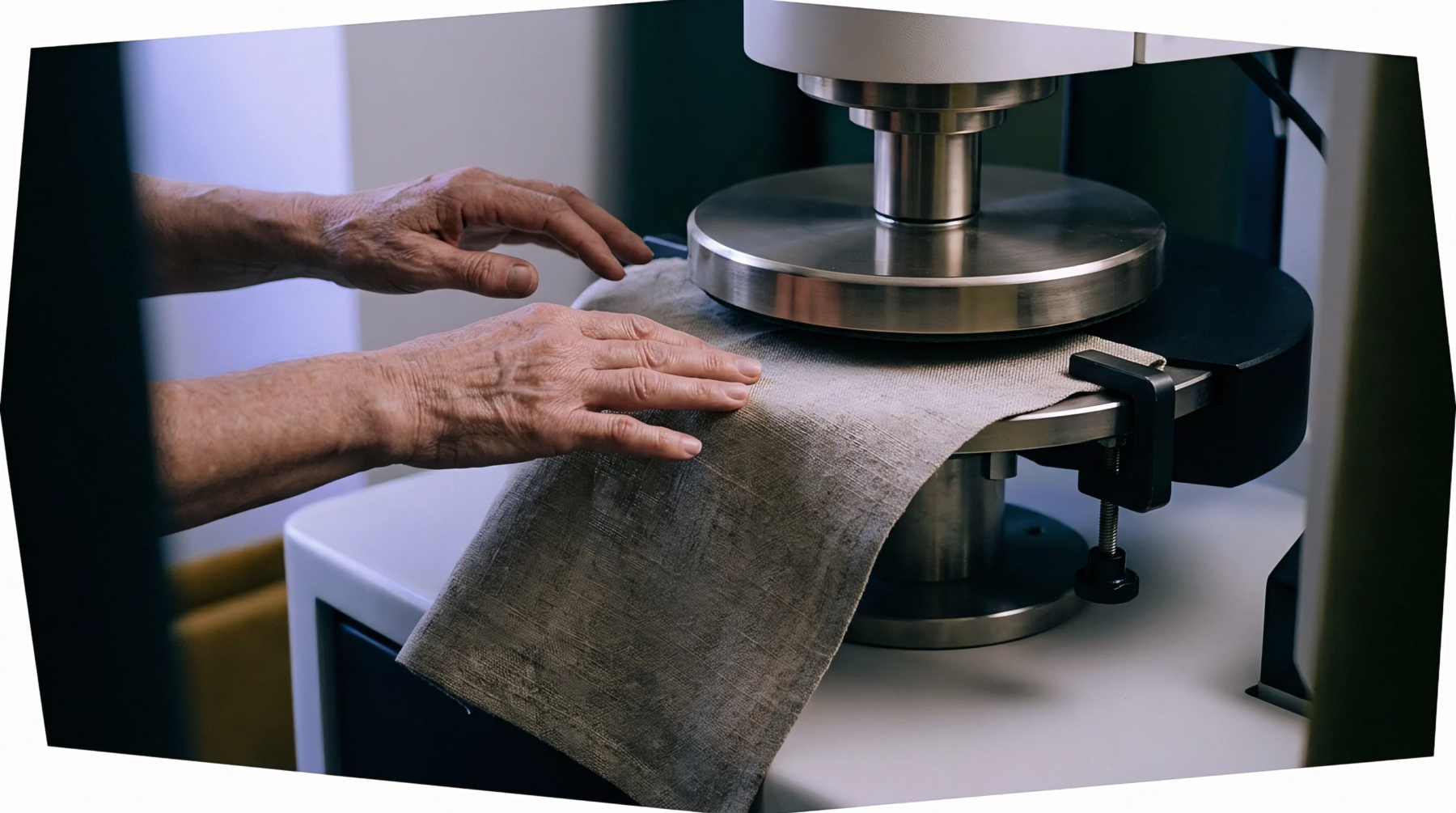
Moisture Measurement
Standardized laboratory protocols establish the base mass of bast fibres by removing all non-chemical moisture under controlled heating. This oven-drying method is essential for dry weight determination to ensure that transactions are based on the actual fibre material rather than absorbed atmospheric water. Samples are heated at one hundred and five degrees Celsius until a constant weight is reached.
Industrial Protocol
Testing occurs during the raw material grading stage and the final export conditioning phase. The results are recorded on the official conditioning certificate which accompanies the shipment to the purchasing mill. Mill standards allow for a nominal moisture regain of twelve percent, but the buyer’s acceptance criteria require that the dry weight determination be executed by an independent certified testing body to prevent disputes over weight loss during transit.
Export Valuation
Commercial invoicing relies directly on the calculated oven-dry mass plus the agreed standard allowance for moisture. When large flax shipments are evaluated, the difference of even one percent in moisture content can translate into thousands of dollars of discrepancy. Mill laboratories conduct daily calibration of their drying ovens to prevent heating errors that might scorch the flax and alter the chemical structure of the cellulose.
Accurate dry weight determination is therefore the foundation of fair pricing and quality assurance in the global linen trade.