Yarn Structure
Mechanical spinning systems draft and twist dry flax slivers directly into coarse yarns without pre-softening the natural fibre pectins in heated water. The resulting yarn, classified as dry-spun linen yarn, features a hairier surface, higher stiffness and greater cross-sectional irregularity than wet-spun alternatives. Individual flax fibre bundles remain unseparated during drafting, preserving thick bundle walls that yield high rigidity.
Linear densities for these products typically fall above fifty tex.
Processing Boundary
Spinning frames omit the water troughs used in wet spinning, reducing energy consumption and eliminating liquid waste management requirements. Because pectin remains intact between cellular walls, dry-spun linen yarn requires higher drafting forces and yields lower tenacity per unit mass. Fiber fly generation increases during spinning and winding, necessitating localized dust extraction systems near spindle rails.
Spinners maintain relative humidity levels above sixty-five percent in drafting zones to prevent excessive fibre brittleness and static accumulation.
Commercial Application
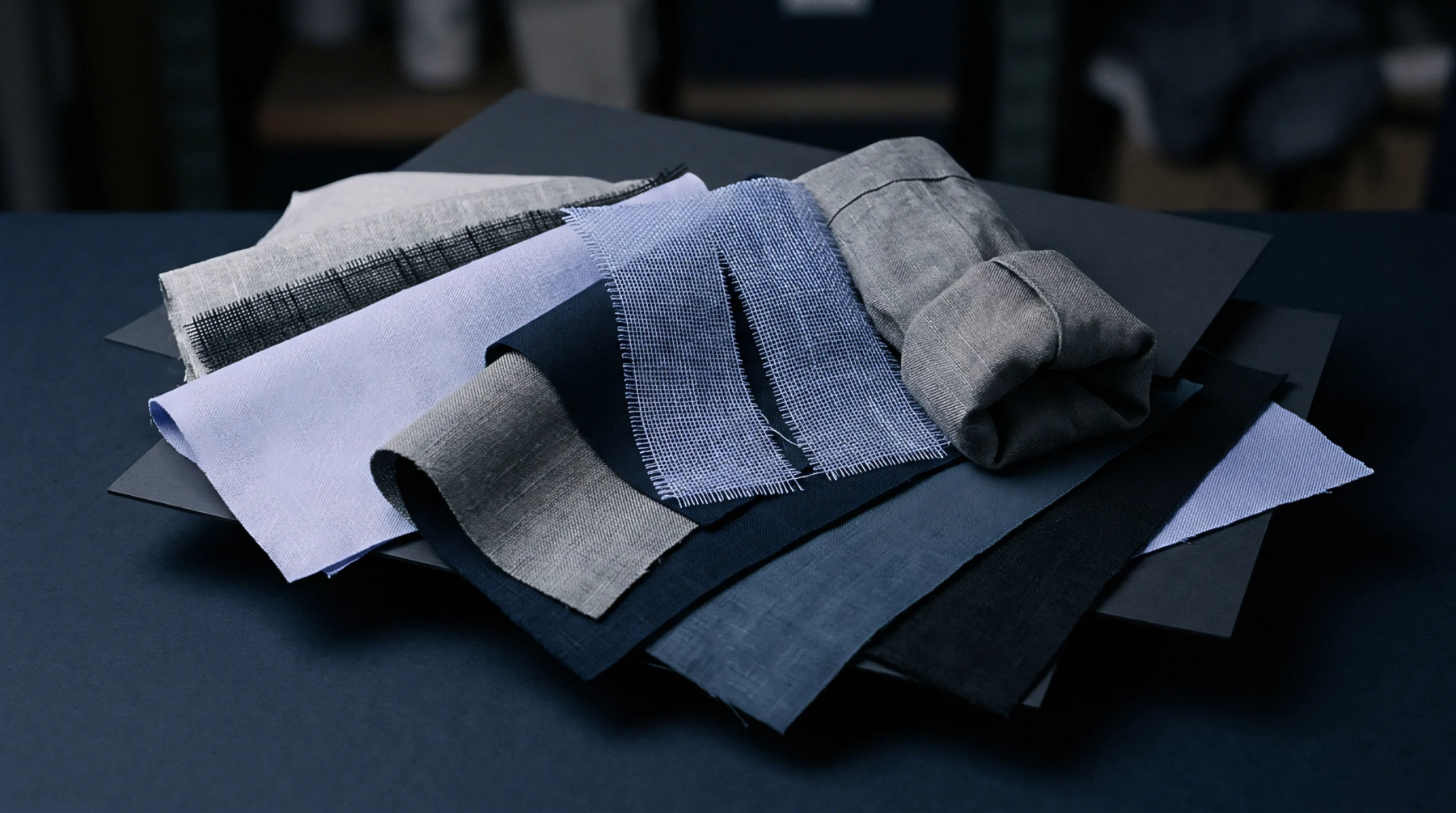
Fabric woven from these coarse yarns displays prominent slubs, high bending rigidity and a rustic surface texture. Target end uses prioritize structural stability, such as heavy upholstery, decorative wall coverings and industrial duck fabric. Tensile testing of dry-spun linen yarn establishes baseline quality compliance for commercial upholstery contracts.