Roller Geometry
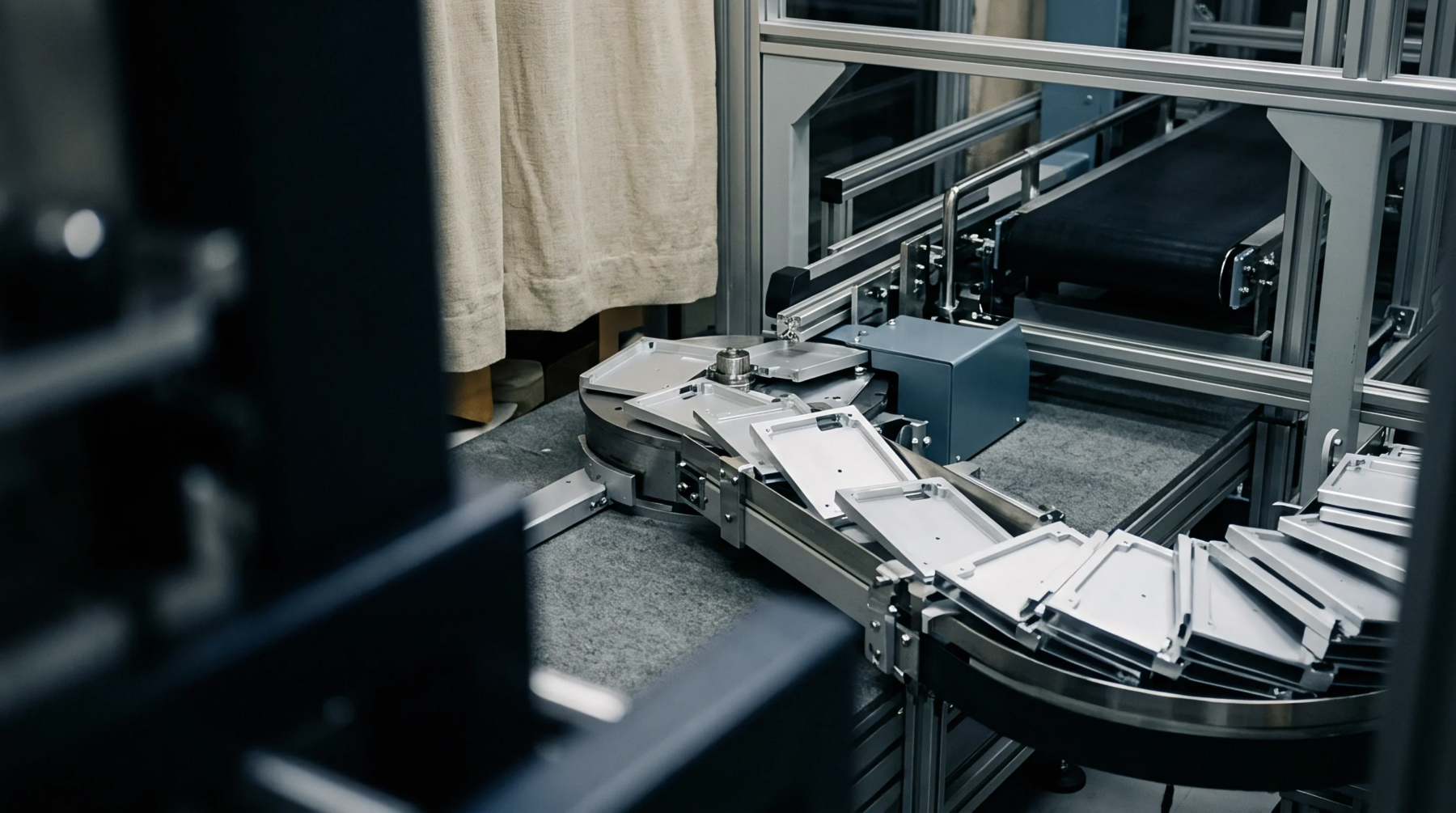
A drafting nip is the precise physical convergence point where paired metal and elastomer cylinders grip flax slivers inside spinning machinery to attenuate fiber bundles before twist is introduced. This mechanical convergence zone sits within the drawing frame assembly where successive roller pairs rotate at escalating surface speeds. Differential speeds between the feeding cylinders and the delivery cylinders stretch the parallel flax fibers toward uniform linear density.
Hydraulic loading mechanisms apply downward pressure on the top roller to maintain continuous frictional contact with the driven bottom steel cylinder. Excessive pressure crushes the delicate bast fibers and produces fiber breakage, whereas insufficient pressure allows sliver slippage and creates thick spots in the yarn. Technicians verify roller alignment using pressure-sensitive film tests during routine maintenance routines across the spinning floor.
Drafting Mechanics
Fiber attenuation relies on the frictional restraint exerted by the drafting nip to control the speed at which individual strands pass through the attenuation zone. Short fibers tend to float uncontrolled when the distance between adjacent roller nips exceeds natural staple lengths, so operators adjust roller settings according to raw flax properties. Frictional forces generated within the nip prevent premature sliding of fibers while the subsequent roller pair pulls leading ends forward.
Humidity variations inside the mill environment alter the moisture content of flax fibers, which directly impacts surface friction coefficients within the nip. Plant engineers monitor ambient relative humidity levels closely because dry air increases static electricity and causes fiber wildness, while damp air swells the cellulosic structure and increases nip friction.
Production Quality
Quality control inspectors evaluate yarn regularity by measuring mass variation per unit length downstream from the drafting nip. Irregularities originating at the drafting stage persist through subsequent roving and ring spinning processes, ultimately reducing the tensile strength of finished linen yarn. Production logs record roller hardness ratings and replacement schedules to maintain consistent attenuation performance across all spinning frames.
Mills establish internal acceptance thresholds for yarn CV percentage that exceed basic buyer requirements to secure premium positioning for exported linen fabrics. Final approval depends upon laboratory dynamometer tests confirming that yarn breaking load and elongation values comply with commercial standards.