Staple Interval
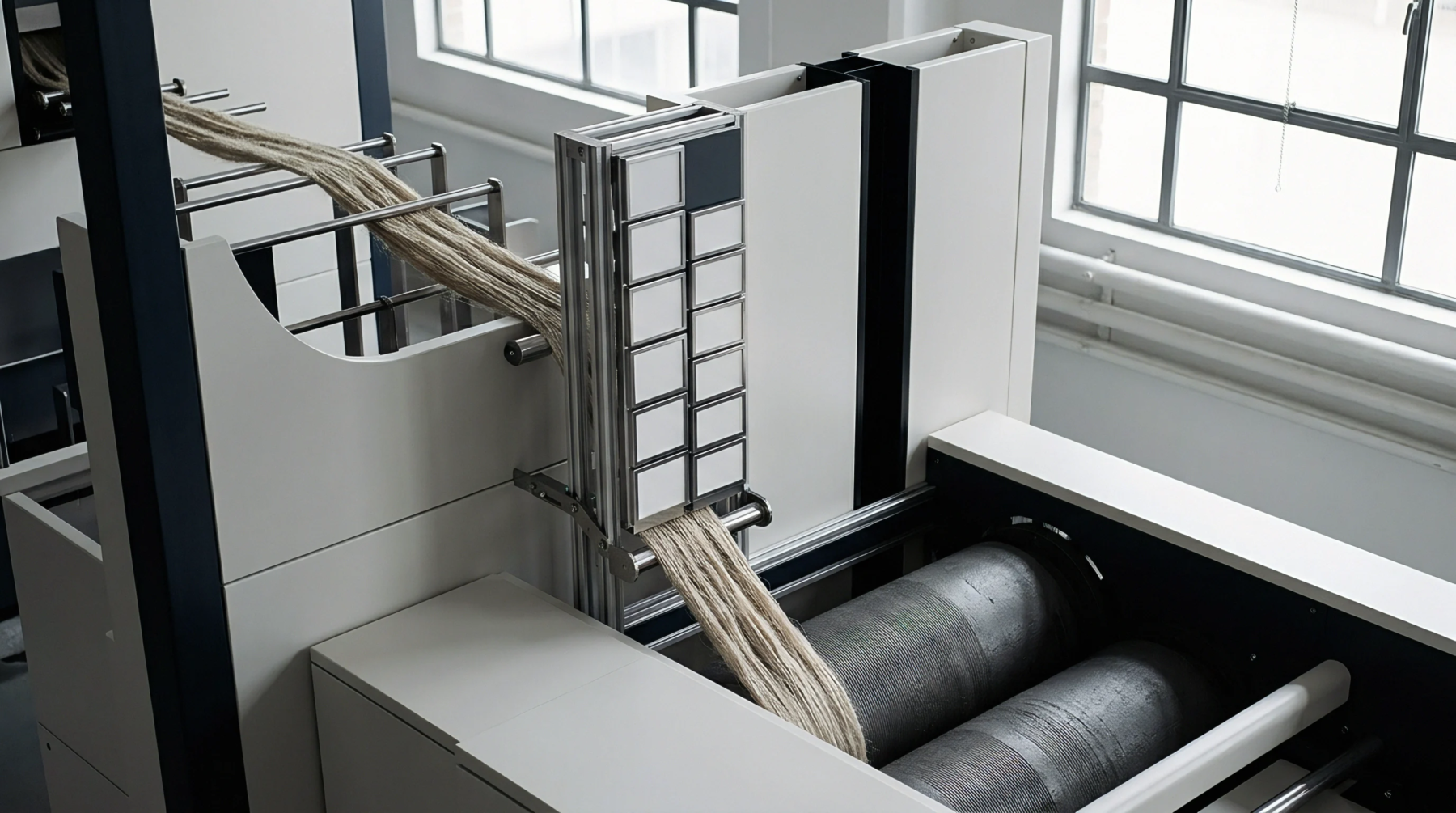
Fiber sorting categories define the fixed millimetric ranges into which combed flax strands are grouped following hackling or carding operations. Raw scutched flax contains irregular fiber bundles that must be sorted before drafting to ensure uniform yarn formation. Mill quality contracts log discrete length classes to establish the percentage of long line fibers relative to short tow fibers.
Standard grading logs classify fiber groups into five-millimeter intervals across the combed sliver, providing the baseline for draft ratio calculations on the roving frame.
Yield Distribution
Mechanical sorting drums separate line flax by passing raw bundles across pins set at staggered heights. Longer fiber bundles pass over close-set pin beds without falling into waste hoppers, while shorter strands drop into designated collector bins. A higher concentration of fibers in upper discrete length classes yields stronger wet-spun yarns with reduced twist requirements.
Conversely, high proportions of short fibers increase drafting breakage during high-speed spinning.
Spinning Boundary
Commercial delivery specifications cap the allowable percentage of sub-fifteen millimeter fibers to prevent excessive nep formation in fine yarns. Mill inspection certificates record these distributions using comb sorter diagrams prior to lot acceptance. Below a minimum proportion of long fibers, the yarn standard shifts from wet-spun line classification to dry-spun tow grade.