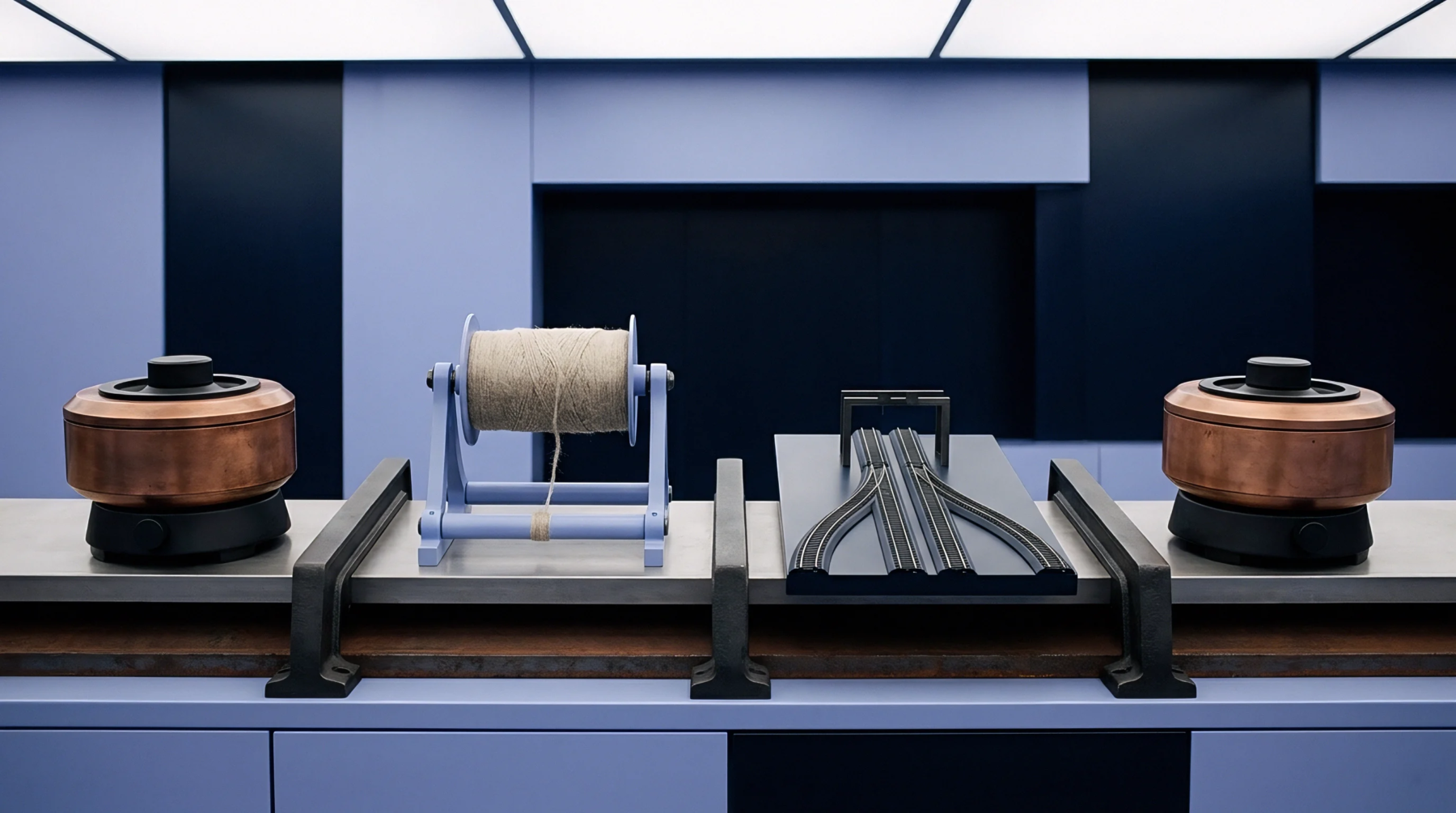
Scientific Verification
National border agencies maintain dedicated analytical divisions tasked with testing imported commodities to verify tariff classifications and enforce trade regulations. This division operates as customs laboratories and scientific services, where scientists analyze raw materials, chemicals, and textiles using specialized equipment. These units determine whether an imported linen product matches the composition, origin, and processing state declared on the entry documents.
Their findings provide the official chemical and physical evidence used to resolve import classification disputes.
Fibre Identification
Trade enforcement regarding flax and linen products relies heavily on the fiber-analysis expertise of these specialized government facilities. When a shipment of textile yarn arrives, customs laboratories and scientific services test the samples to distinguish pure flax from blends containing ramie, hemp, or synthetic fibres. This analysis is critical because blended yarns may carry different duty rates or be subject to specific import quotas.
Analysts utilize scanning electron microscopy to observe the fiber cross-sections and identify the characteristic nodes of flax fibres. They also employ infrared spectroscopy to identify synthetic finishes or sizing agents that might hide the true nature of the textile material.
Commercial Protection
Accurate scientific testing prevents deceptive trade practices like origin falsification and transshipment of textile goods. Importers rely on the objective results generated by these laboratories to challenge erroneous tariff assessments made by border inspectors. These tests ensure fair market competition by preventing sub-standard or mislabelled yarn from entering domestic markets.