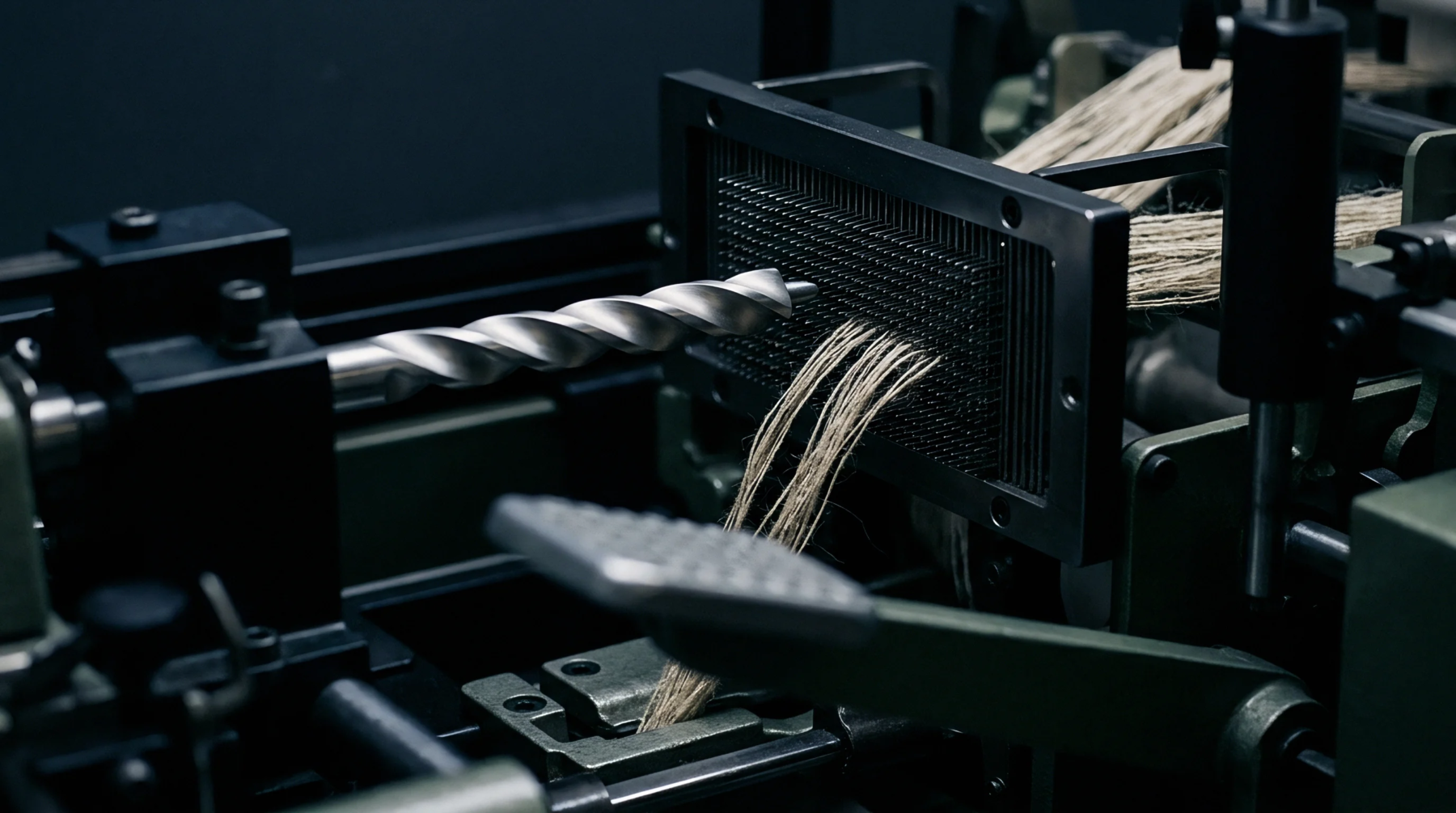
Fibre Fineness
International trade in linen yarn utilizes standardized laboratory protocols to classify the physical properties of imported scutched flax before spinning begins. Adherence to cetil-flax-2018 allows mills to verify the average fibre length and division grade using regulated airflow measurements. This protocol ensures that raw materials from different European growing regions meet the processing requirements of Chinese high-speed spinning frames.
Acceptance Criteria
Quality disputes between fiber brokers and spinning mills are resolved by referencing uniform moisture and cleanliness parameters. Under the rules of cetil-flax-2018, the maximum permissible trash content is strictly bounded to prevent frequent breaks during the subsequent carding and drawing operations. If a shipment fails these threshold values, the mill can claim a discount or reject the entire batch based on the official test certificate.
Mill Compliance
Spinning mill laboratories record the results of these standardized tests on incoming raw material logs to adjust their internal blend formulations. While the buyer’s acceptance criteria might demand a specific grade, the mill utilizes cetil-flax-2018 to adjust the settings of its own drafting rollers and twist multipliers. This internal adjustment ensures that the spun yarn matches the final fabric strength required by garment exporters.
Proper records of these tests protect the mill against liability if the woven fabric fails downstream tensile tests.