Fiber Allowance
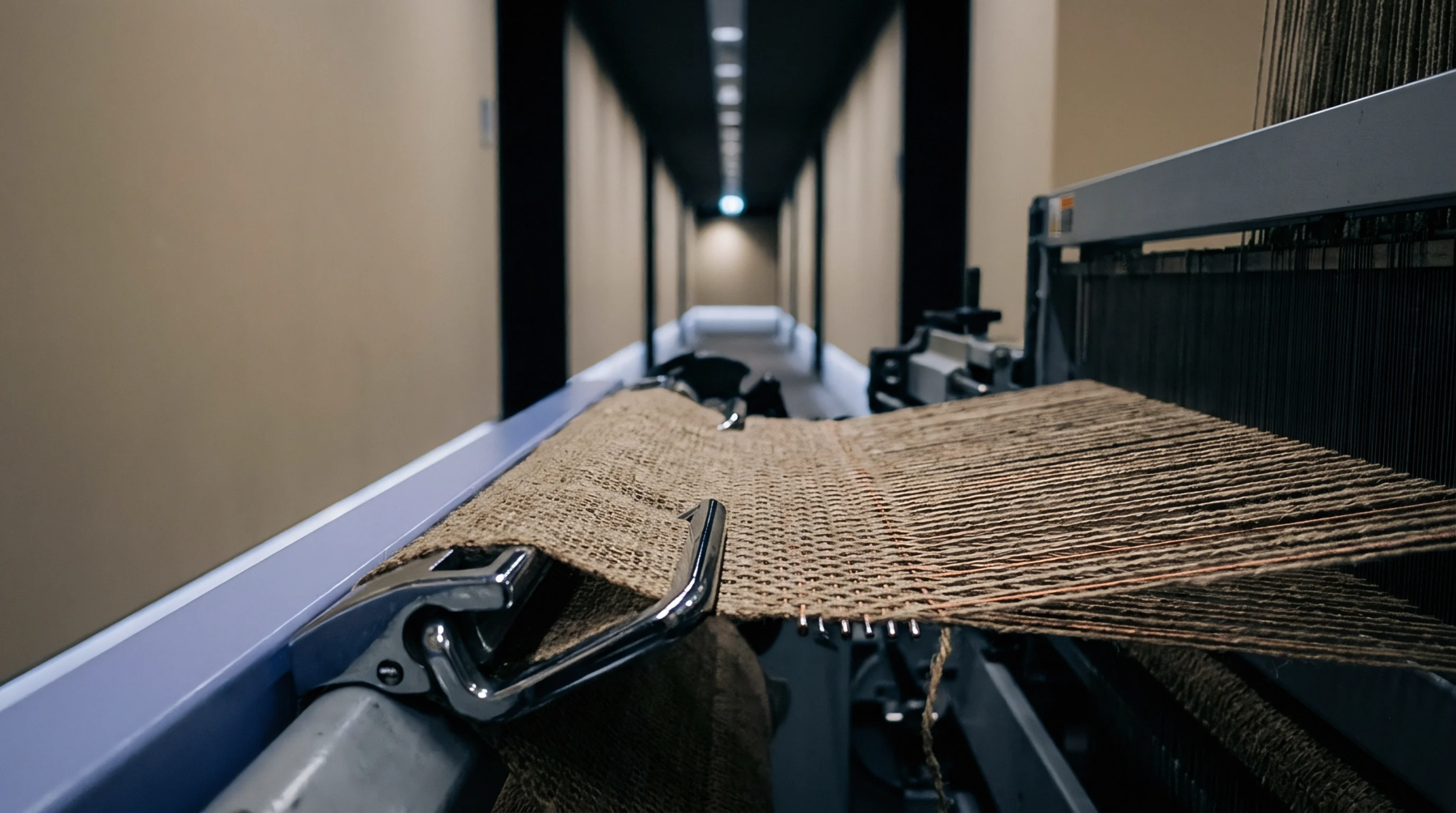
Excessive flax straw bulk arriving from retting yards requires a mechanical adjustment before carding proceeds on the line. Mill operators apply catch selvage waste allowance to protect downstream drawing frames from fibrous tangles during continuous wet spinning runs. Raw line flax grading demands a strict separation between stalk quality and the short tow left behind by mechanical breakers.
European flax mills measure this variance against established moisture regain ceilings published in contractual terms. Foreign contaminants such as shive fragments alter the baseline weight calculations recorded in the shift inspection log.
Margin Adjustment
Spinning frames demand precise tension controls to prevent roving breakage along the outer edges of the drafting zone. Catch selvage waste allowance compensates for the excess fibers pulled away by high speed pneumatic suction units during wet spinning operations. Technical inspectors verify these production losses by weighing discarded fringe material against clean sliver output on laboratory scales.
Factory supervisors record the resulting percentage differences inside the daily mill efficiency ledger. Excessive humidity inside the spinning hall swells the plant material, forcing technicians to recalibrate the suction pressure before afternoon shifts commence.
Tolerance Limit
Final buyers stipulate strict upper boundaries for permitted fiber loss within their finished linen fabric procurement contracts. Catch selvage waste allowance establishes the legal threshold separating acceptable manufacturing shrinkage from operational negligence on the shop floor. Commercial auditors inspect the mill delivery documentation to confirm that reported trimming percentages align with standard flax processing yields.
Exceeding the agreed threshold transfers the financial burden of lost raw material directly to the production facility.