Fiber Reduction
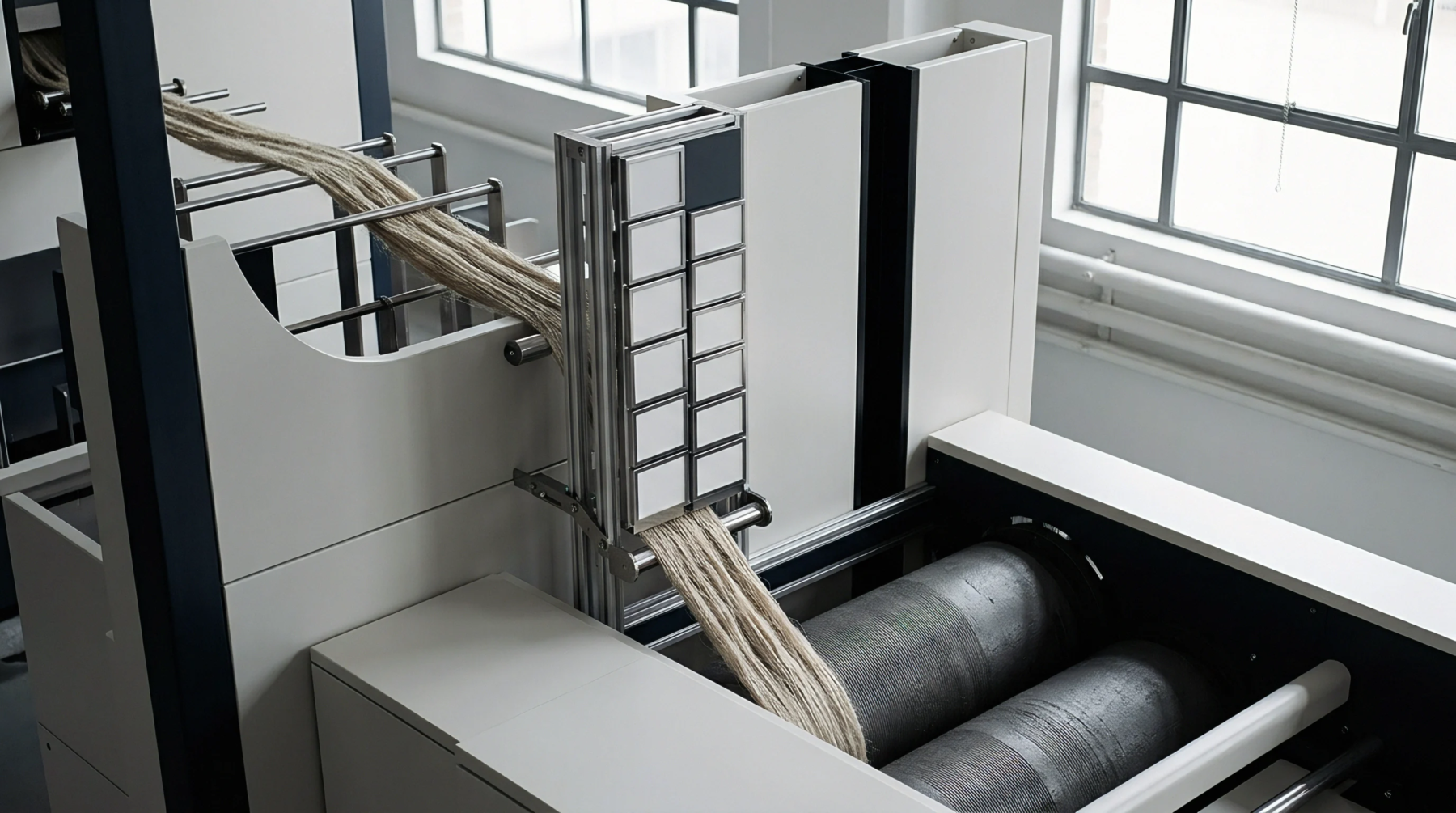
Flax fiber transformation depends on mechanical action that separates parallel strands before spinning fine linen yarns. Carding attenuation defines the gradual drafting force applied within the carding machine to reduce slippage and align staple lengths into an even sliver. Mechanical teeth draw apart individual flax filaments until the mass reaches a uniform linear density required for roving frames.
Operational logs inside Chinese spinning mills record this mass reduction ratio to satisfy export compliance documents. Mill acceptance criteria dictate the exact drafting limits, separating raw fiber preparation parameters from subsequent fabric tensile tests.
Drafting Dynamics
Steel pins moving at differential speeds grab the fibrous web and stretch the material across successive working cylinders. Excessive cylinder speed tears the flax strands prematurely, creating weak spots that break during high tension ring spinning. Operators adjust roller settings manually when humidity shifts alter the natural moisture content of the incoming flax harvest.
Proper tension prevents fiber entanglement while maintaining a constant sliver output for the downstream drawing frames.
Quality Boundaries
Finished sliver dimensions govern whether the batch proceeds to wet spinning or undergoes rejection at the inspection table. Laboratory technicians measure mass variation across fixed meter lengths to verify that drafting forces remained stable throughout the run. Commercial contracts specify maximum allowable thickness deviations before foreign buyers take delivery of the finished yarn spools.
Strict adherence to these limits ensures that downstream weavers receive consistent material without hidden density flaws.