Mechanical Resistance Index
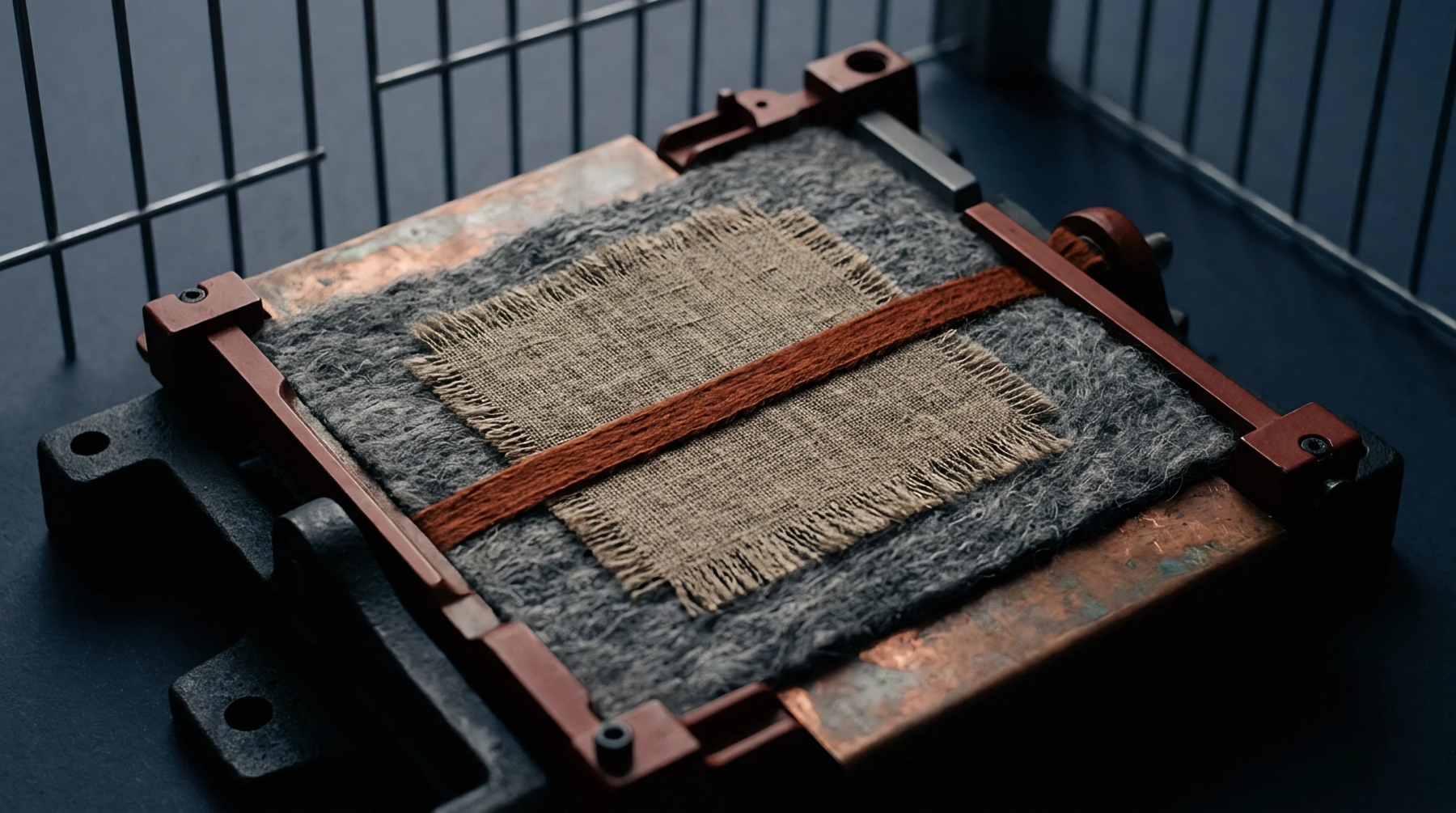
Maximum breaking force per unit linear density evaluates the structural integrity of grouped textile fibers subjected to unidirectional axial tension. In flax quality control, bundle tensile strength measures the collective load capacity of parallelized bast fiber strands tested simultaneously under standardized clamp spacing. Technicians mount aligned fiber ribbons into specialized pneumatic jaws of instruments such as the Pressley or Stelometer tester, applying tensile force until rupture occurs.
The recorded rupture force divided by specimen mass or tex yields values expressed in centinewtons per tex. This index isolates the intrinsic strength of the flax ultimates and their inter-cellular pectin matrix, excluding the loose, misaligned short hairs that distort single-fiber assessments.
Testing Procedure Verification
Precise clamp separation and sample conditioning define the reproducibility of laboratory findings across fiber testing facilities. Standardized procedures dictate an atmospheric preconditioning phase at twenty degrees Celsius and sixty-five percent relative humidity prior to jaw insertion. Zero-gauge clamping assesses basic crystalline cellulose tenacity, while an intentional nominal spacing introduces friction and evaluates pectin bond coherence between adjacent ultimates.
Technicians record breaking force readings alongside the mass of the broken bundle gathered from between the gripping jaws. Laboratory logs cross-reference clamp pressure to ensure slippage does not masquerade as legitimate fiber elongation. Mill sorting floors translate these quantitative tensile figures directly into raw stock spinning limits.
High bundle tensile strength allows carded rove to survive the violent mechanical attenuation of high-speed gill boxes without excessive fiber truncation. Lower figures mandate gentle, lower-draft draw frames and higher twist coefficients to prevent web collapse during ring spinning. The parameter governs spinning draft limits and dictates minimum yarn count capabilities.
Commercial Grade Assignment
Procurement contracts for scutching mills classify long-line flax lots into pricing brackets based on standardized tenacity thresholds. Purchase contracts incorporate bundle tensile strength values directly into incoming quality acceptance documents, distinguishing prime European scutched flax from weaker lower-tier harvests. Mill intake auditors compare delivery certificates against reference values to reject brittle lots before opening bales.
Downstream weavers demand these mechanical metrics on fiber certificates to forecast fabric tear resistance and warp break frequency on air-jet looms.