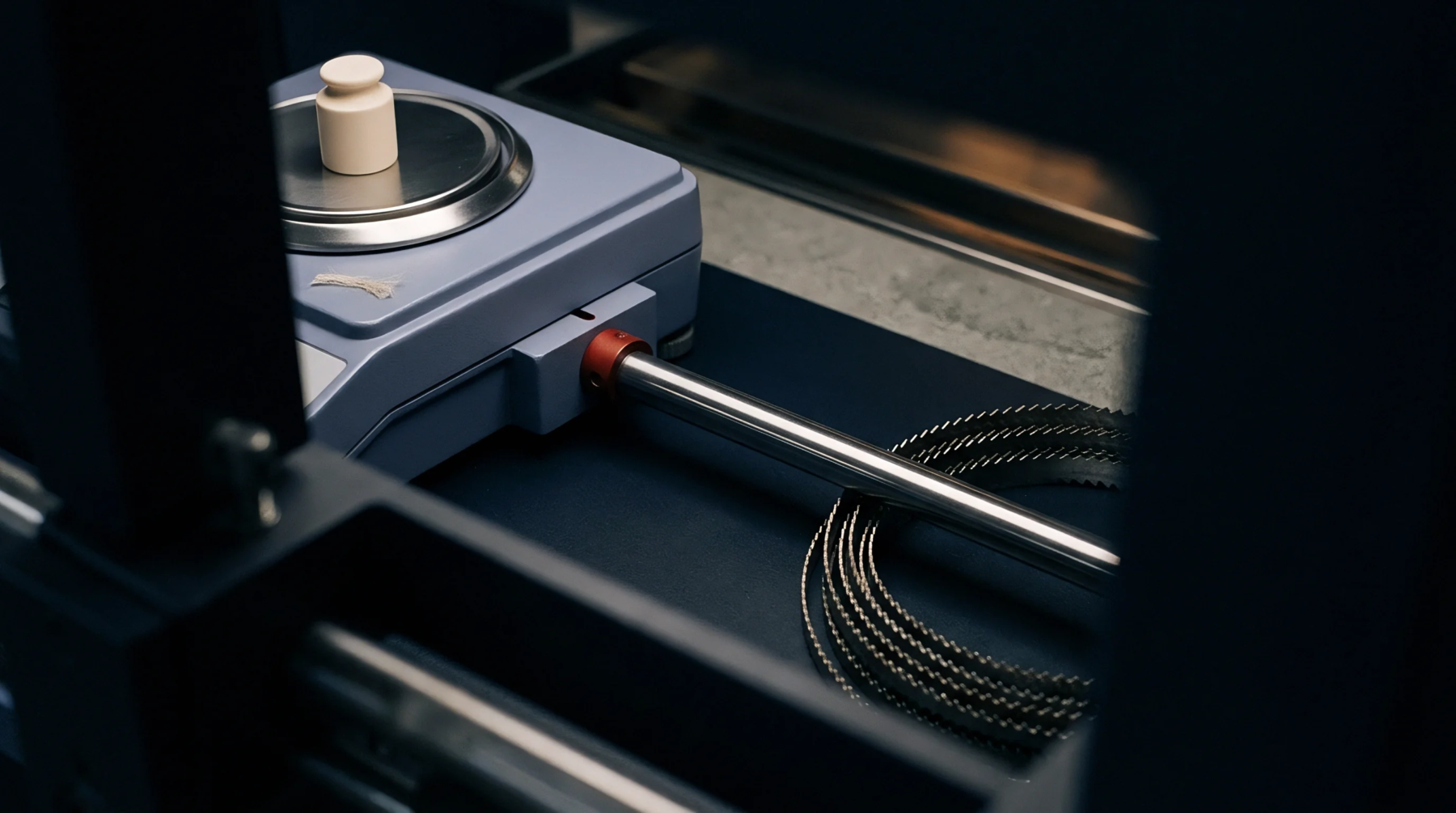
Blade Arrangement
A mechanical shearing device separates fibre strands into precise, uniform segments to facilitate standardized testing for tensile strength and density at the initial quality control checkpoint. A bundle specimen cutter operates by clamping raw flax fibres between two metal plates before a sharpened edge passes through the aligned mass. This configuration establishes a consistent gauge length for every sample submitted to the laboratory.
Technicians rely on these consistent lengths to determine the micronaire value or the tenacity of fibre batches imported from regional harvesting cooperatives. Proper maintenance of the edge sharpness prevents fibre crushing that degrades sample integrity. Consistent tension during the clamping phase prevents slippage that creates uneven length distribution across the testing lot.
Operators must calibrate the spring pressure to accommodate different fibre thicknesses without damaging the primary cellular structure.
Laboratory Integration
Laboratories utilize the output of this machine to populate internal grade sheets before the spinning process initiates at the mill floor. Each batch receives a unique identifier corresponding to its measured density and diameter. Quality control teams compare the mill specific readings against the buyer acceptance criteria established in purchase contracts for raw textile materials.
Variance outside the prescribed tolerance triggers a rejection of the raw material shipment for failing the mechanical classification. Spinning departments require these data points to adjust drafting speeds for optimal yarn consistency. Accurate shearing removes the variable of inconsistent fibre length from the downstream statistical analysis.
High frequency sampling ensures the stability of the fibre supply chain across seasonal harvest fluctuations. Precise mechanical separation removes ambiguity in fibre diameter evaluation during the assessment of commercial flax quality.
Structural Compliance
The tool adheres to international standards for textile fibre testing that dictate how raw bundles are prepped for mass measurement. Uniform segment production avoids systematic bias in density calculations conducted by automated laboratory equipment. Standardized sample preparation minimizes error margins during tensile loading.
This equipment remains an essential component for validation of fibre quality in industrial linen production.