Gravimetric Limit
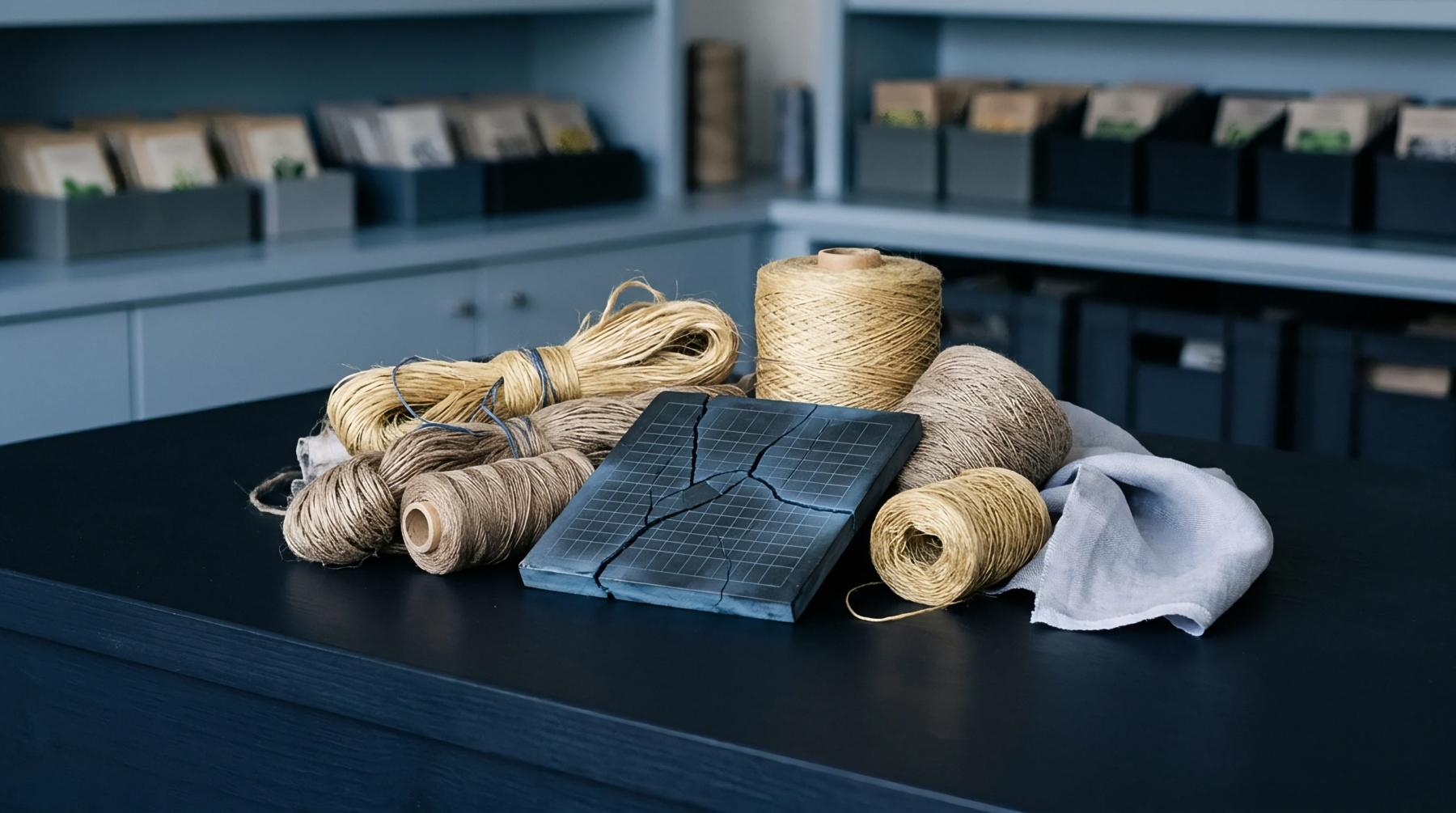
Measurement of a textile raw material after all moisture has been driven off in a ventilated oven establishes a baseline for commercial valuation. Achieving this state requires heating a specimen of flax fibre at a temperature of one hundred and five degrees Celsius until it reaches a constant weight, which yields the bone dry fibre mass of the consignment. This value represents the actual plant matter present, free from any atmospheric water absorption that varies with humidity.
By stripping away these environmental variables, laboratories establish a uniform start point for subsequent calculation, which prevents disputes between the raw flax supplier and the spinning mill regarding water weight during shipment. The final dry weight contains only the cellulosic structure and natural waxes of the linen.
Industrial Testing
Standard textile laboratory procedures require a high-precision drying oven equipped with a built-in balance to monitor weight loss in real time. Samples of flax must remain in the chamber until successive weighings at intervals of fifteen minutes show no further decrease in weight. This continuous heating prevents errors that arise from rapid moisture regain during exposure to ambient room air.
Accurate determination of this dry weight forms the platform for adding back the official moisture allowance specified by trade rules.
Commercial Influence
Industrial transactions in the natural fibre trade use this dried baseline to calculate the invoiced weight of shipment lots. Since raw flax absorbs water easily from the atmosphere during transit, buying and selling are based on the adjusted mass rather than the fluctuating weight recorded at the ship dock. Using the dried state prevents disputes over water weight, ensuring that spinners pay only for actual linen material.