Fiber Integrity
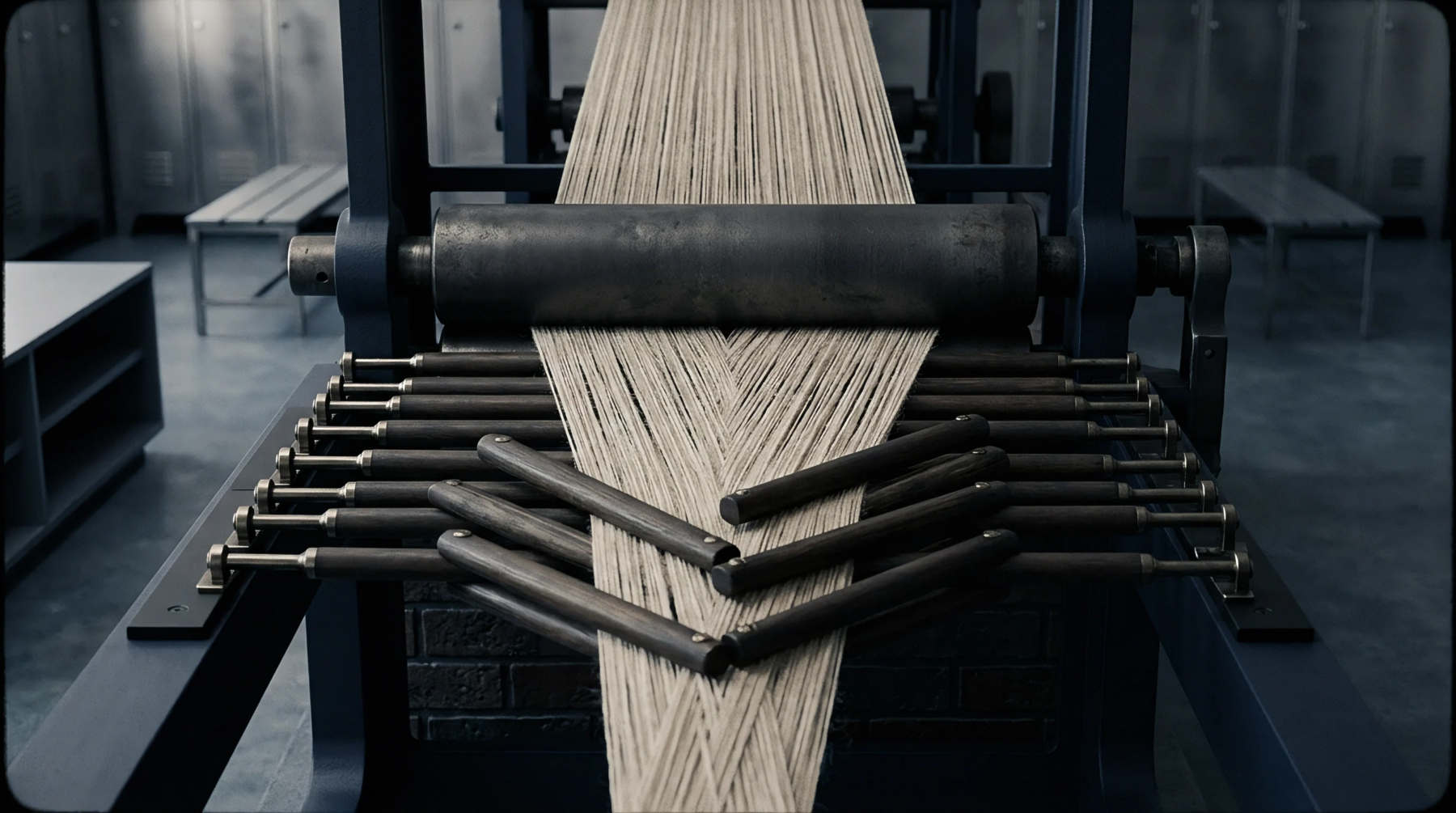
Parallel stem alignment dictates how cleanly individual filaments separate during mechanical carding operations. Bast fiber cohesion governs the frictional resistance between adjacent long strands inside dry scutching lines within Chinese flax processing mills. Higher lateral binding forces prevent premature filament rupture while drafting frames pull the ribbon into uniform roving.
Excessive pectin remaining on the surface creates unwanted stickiness that fouls high speed gill box pins during preparation.
Draft Resistance
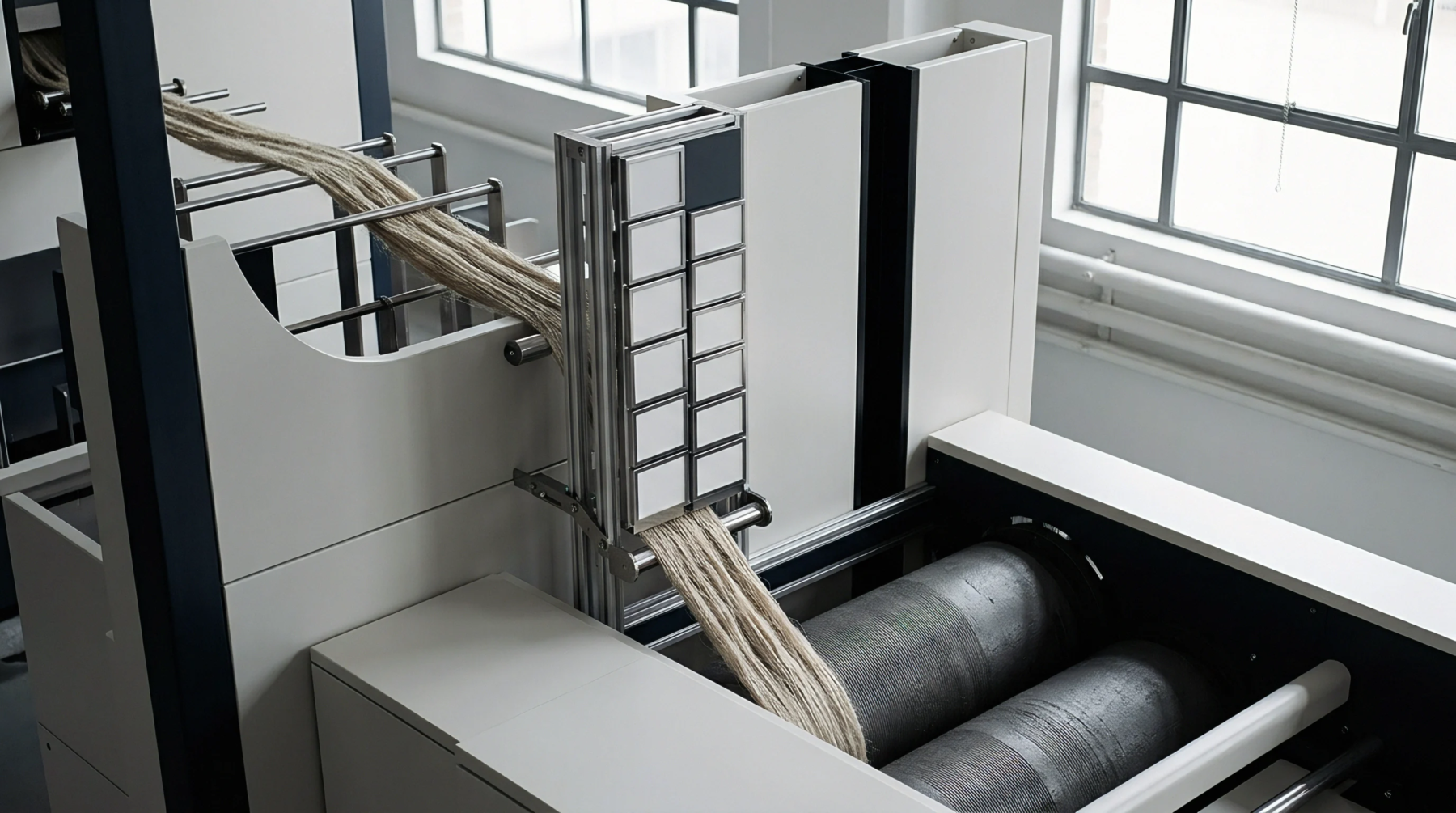
Machine operators adjust drawing roller pressures to match the measured stickiness of the incoming flax supply. Bast fiber cohesion directly influences the drafting force required to pull parallel strands past each other without forming clumps. Stronger lateral adhesion requires greater mechanical separation energy before the material enters the wet spinning frames.
Low friction values cause uncontrolled drafting faults where uneven slivers break apart before reaching the flyer bobbin.
Export Specification
Quality inspectors record final bundle tenacity ratings on the official mill test certificate accompanying each container load destined for overseas weaving houses. Bast fiber cohesion distinguishes raw material destined for heavy canvas production from finer yarns used in luxury shirting fabrics. Buyers establish strict acceptance thresholds in commercial supply contracts to prevent excessive lint loss during downstream combing stages.
Laboratory technicians measure lateral release loads using standard tensiometers before certifying compliance with international textile standards.