
Evaluating Shed Geometry Adjustments to Reduce End Break Frequencies
Adjusting backrest height and shed crossover timing reduces peak tension spikes, directly lowering warp end break rates on high-speed looms.
Adjusting backrest height and shed crossover timing reduces peak tension spikes, directly lowering warp end break rates on high-speed looms.

Elevating the backrest 30mm and adopting two-end denting resolves fell bounce and reduces fiber shear in high-density flax plain weaves.
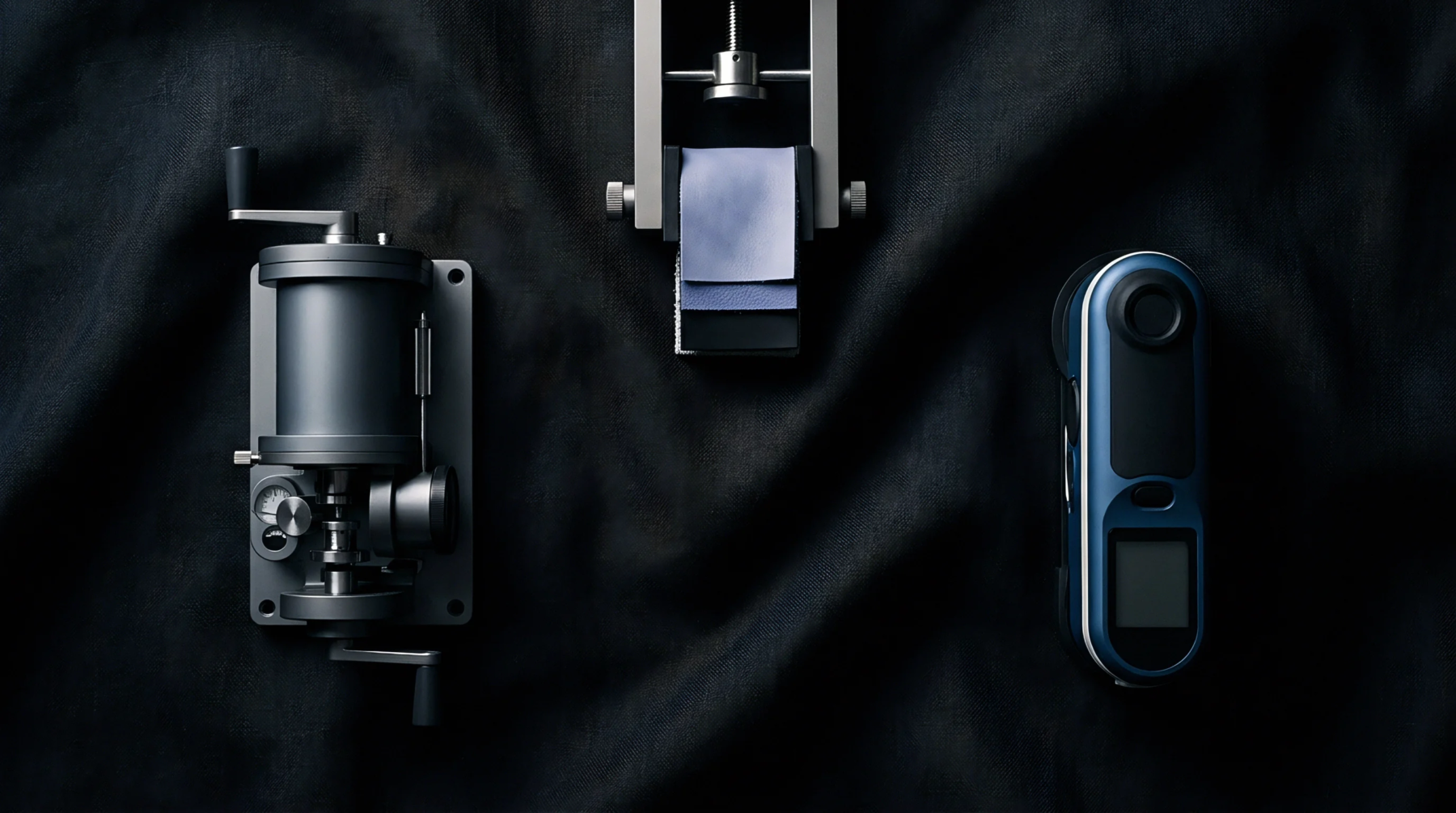
Evaluating unfinished linen crimp by ISO 7211-3 unstraightened thread ratios prevents yarn displacement faults and stabilizes post-scour finished fabric weight.

Optimizing air jet linen shedding requires asymmetric harness levelling at 26 millimetres to balance relay nozzle clearance with tension limits.

Raising backrest height creates asymmetric warp tension, clearing hairy flax shed openings without exceeding the breaking strain of inextensible linen yarns.

Resolving seasonal weaving displacements requires shifting warp warps across compatible air-jet looms using strict tension, reed, and sizing adjustments.
Expertise is a utility, not a secret. sentiention™ publishes its working knowledge as open reference: intelligence layer covering the materials it sources, the markets it enters, and the reference that serves both.