Thermal Exchange
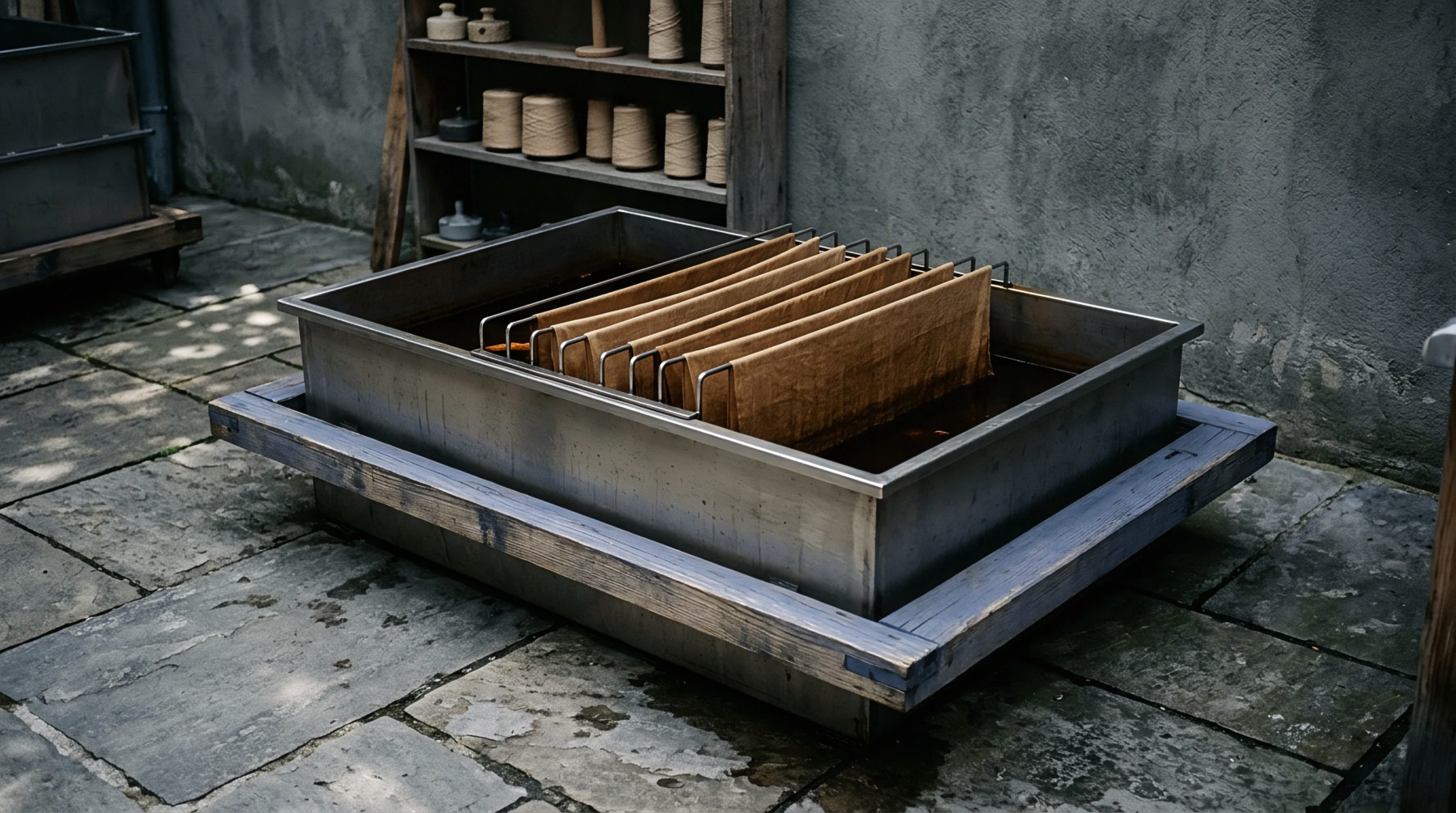
Convection drying machinery suspends open-width damp cloth on high-velocity heated air streams to evaporate moisture without mechanical contact. Continuous air jet drying exposes desized or dyed linen piece goods to balanced top and bottom nozzles inside isolated heat chambers. Process managers track air throughput volume and line throughput speed on the machine operational log.
The thermal treatment ceases to apply once residual water content drops beneath standard commercial regain targets of twelve percent.
Aerodynamic Action
High-velocity fluid circulation creates kinetic agitation that breaks internal hydrogen bonds formed between swollen cellulose molecules during wet processing. During air jet drying, turbulent pneumatic streams lift the fabric undulatingly between opposing air slots, relaxing latent warp tension inherited from preparatory processing and shed formation. Fabric density increases as both longitudinal and transverse yarn spacings contract naturally toward their lowest energy states.
Microscopic surface examination shows that mechanical friction between adjacent bast fibres softens the stiff pectin sheath without chemical degradation. Mills verify this physical transformation by measuring residual shrinkage according to standard washing protocols on test yardage before batch release. Cloth dried under excessive pneumatic velocity suffers edge flutter and selvage curl.
Moisture Metric
Online conductivity sensors monitor fabric core dampness at the chamber exit to regulate line drive speed automatically. Controlled air jet drying prevents overdrying below eight percent moisture, which degrades natural bast fibre flexibility and induces brittleness during subsequent calendering operations. The finished inspection certificate records outgoing moisture regain alongside dimensional stability parameters to validate commercial acceptance criteria.