Understanding Customs Laboratory Fiber Analysis for Linen Blend Import Declarations
Customs laboratory fiber verification uses chemical dissolution and moisture regain adjustments to enforce statutory entry tariffs on linen composite textiles.


Reagent

Chemical Dissolution and Morphological Identification
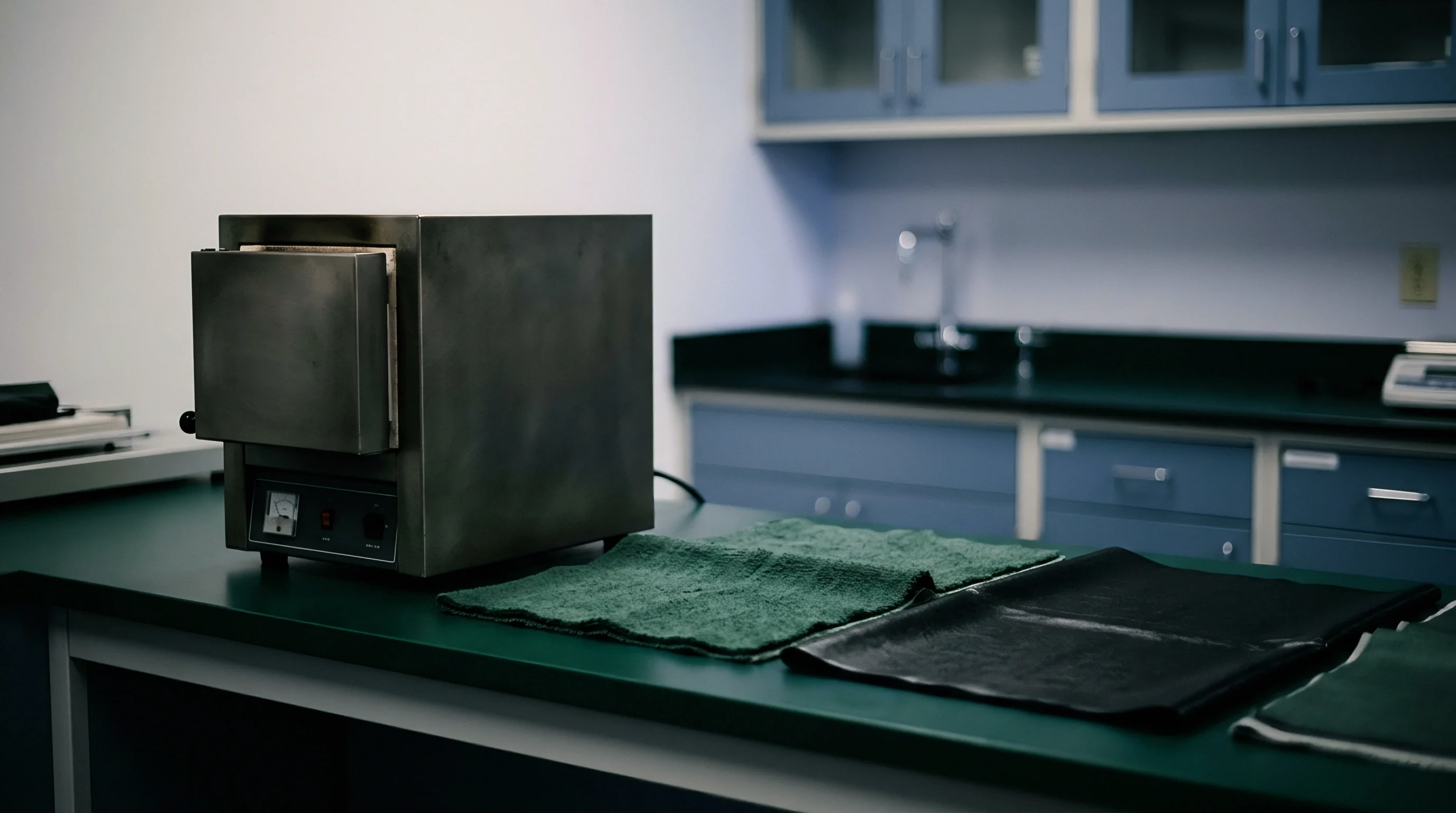
Quantitative identification of bast fiber percentages within composite textile importations relies on standardized chemical dissolution and cross-sectional micro-projection techniques under ISO 1833-11 and ASTM D629. Standard laboratory testing isolates plant-derived cell walls from synthetic or seed fibers through selective chemical solubility. When analyzing flax mixed with cotton or viscose, customs technicians employ a seventy percent sulfuric acid solution or a zinc chloride and formic acid mixture to dissolve non-linen components.
Chemical dissolution isolates cellulosic mass. The insoluble residue, consisting of purified flax fibers, undergoes oven-dry mass determination at one hundred five degrees Celsius until constant weight is attained.
Microscopic analysis remains mandatory when separating flax from ramie or hemp, as these bast species share identical chemical solubilities. Technical analysts use micro-projection equipment specified in ISO 137 to measure cross-sectional kidney shapes and longitudinal cross-markings known as nodes. Microscopic nodes confirm bast origin.
Automated image analysis software quantifies lumen dimensions and fiber wall thickness across five hundred individual fiber fragments per test specimen. Degumming treatments applied during yarn production alter non-cellulosic pectin and hemicellulose content, shifting dry weight metrics if correction factors are omitted.
The yarn supplier claimed that chemical degumming during bleaching selectively dissolved non-cellulosic pectin and hemicellulose components, thereby reducing the apparent mass fraction of bast fiber below the declared contract ratio during customs verification.


Tolerance

Tariff Classification and Moisture Regain Mechanics
Statutory fiber composition allowances establish the technical boundary between compliant declarations and misbranded imports. Regulatory regimes such as European Union Regulation 1007/2011 and the United States Textile Fiber Products Identification Act permit a three percent manufacturing variance for composite yarns. Regain factors alter classification.
Customs laboratories calculate official mass by applying standardized moisture regain percentages to oven-dry weights, assigning twelve percent regain to flax, eight and one-half percent to cotton, and thirteen percent to viscose.
- Laboratory technicians condition test specimens at twenty degrees Celsius and sixty-five percent relative humidity for twenty-four hours to establish ambient baseline weight.
- Specimens undergo gravimetric drying at one hundred five degrees Celsius to remove all bound moisture before recording oven-dry mass.
- Standardized commercial moisture regain percentages are multiplied against dry weights to calculate official taxable fiber mass.
- Calculated commercial masses determine whether the bast content meets declared tariff thresholds.
Moisture distorts mass. A shift in calculating dry weight versus commercial moisture allowance alters tariff line assignments under Harmonized System Chapter 53. Woven textiles containing eighty-five percent or more flax by weight enter under HS heading 5309.11 or 5309.19, drawing lower ad valorem duty rates.
Material falling to eighty-four percent flax shifts into HS heading 5309.21 or Chapter 52, triggering elevated tariff schedules and potential trade preference exclusions.
An unadjusted laboratory weight discrepancy exceeding two percentage points automatically reclassifies pure flax piece goods into mixed fiber tariff categories carrying a four percent duty rate increase.
Target ratios determine tariff lines. Customs auditors apply exact chemical dissolution correction values to account for fiber weight loss during acid immersion. Table 1 outlines legal fiber composition allowances and tariff classification impacts across primary import markets.
| Jurisdiction | Statutory Variance Limit | Standard Test Method | Flax Regain Rate | Tariff Threshold Shift |
|---|---|---|---|---|
| United States (CBP) | 3.0% by dry weight | AATCC 20A / ASTM D629 | 12.0% | 85% Flax threshold to HS 5309.29 |
| European Union (DG TAXUD) | 3.0% total mass allowance | ISO 1833-11:2017 | 12.0% | 85% Flax threshold to HS 5309.21 |
| China (GACC) | 2.5% commercial allowance | GB/T 2910.11 | 12.0% | Sub-85% linen to HS 5211.49 |
| United Kingdom (HMRC) | 3.0% dry fiber allowance | BS ISO 1833-11 | 12.0% | Reclassification to synthetic combination headings |
A misdeclaration crossing the eighty-five percent threshold converts a standard entry into an audited customs dispute, exposing the importer to back-duties, administrative penalties, and immediate seizure of non-conforming shipments at the port of entry.

Sampling
Specimen Extraction and Discrepancy Audits
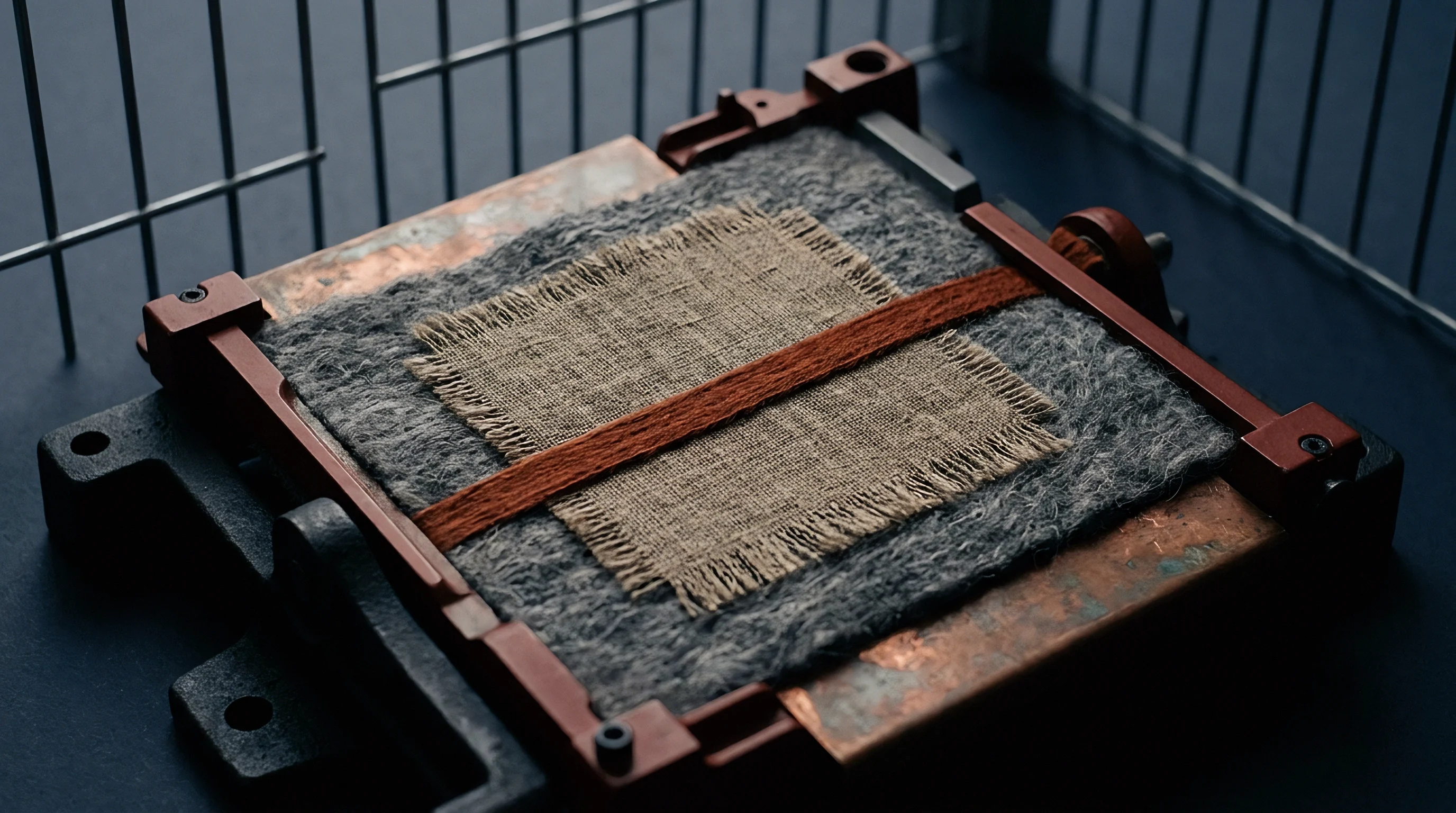
Extraction protocols performed by port enforcement officers dictate the statistical validity of subsequent laboratory findings. Customs officers sample three bolts. Field agents draw test specimens across multiple rolls per entry lot according to ISO 5089 directives, selecting swatches at least one meter from bolt cut ends to avoid atmospheric contamination.
Laboratory technicians strip warp and weft yarns into separate structural groups prior to chemical exposure.
- Port Inspection Units execute random physical cuts across targeted shipping container roll populations.
- Conditioning Chambers equalize atmospheric moisture within test swatches prior to mass measurement.
- Gravimetric Dissolution Cells isolate insoluble bast structures from solvent-soluble fiber elements.
- Micro-Projection Benches measure fiber diameters and node counts to confirm plant species origin.
A five-roll composite extraction evaluated across three independent test runs yields a standard deviation of zero point four percent in quantitative bast fiber content.
Verification failure halts port clearance. Importers facing non-conforming laboratory findings retain rights to request secondary verification testing at an accredited independent facility certified under ISO 17025.

How Do Discrepancy Procedures Resolve Interlaboratory Variance?
Discrepancy investigations analyze structural variations between warp-dominated and weft-dominated yarn constructions. High-twist yarns impede reagent penetration during acid immersion, leaving undissolved cotton or viscose residues that artificially inflate measured flax fractions. Physical dissection of individual yarns prior to dissolution resolves solvent accessibility errors.
Re-testing procedures mandate duplicate gravimetric runs alongside micro-projection verification to isolate systemic test errors from true material non-conformity.
Whether state customs laboratories will systematically adopt high-throughput DNA barcoding and stable isotope mass spectrometry to differentiate flax from hemp when chemical dissolution yields identical gravimetric values remains an open administrative question.


Ledger
Mill Record Reconciliation and Chain of Custody Verification
Traceability documentation matching raw scutching yields to finished yarn shipments provides the definitive defense against customs misclassification claims. Mill-level reconciliation verifies that raw fiber purchases equal declared yarn composition. Scutcher records expose yield inflation.
Scope certificates lack lot numbers. Transaction certificates issued under European Flax or Masters of Linen frameworks map specific batch identification numbers from scutcher to spinner and weaver.
Chain of custody integrity requires numerical reconciliation between scutcher raw bale receipts and spinning room mass yield outputs.
Technical dossiers protect import entries. Importers audit mill mass-balance records by tracking short-fiber extraction rates during carding and combing operations. Long-line flax processing generates tow waste, altering the final fiber weight balance within composite spinning runs.
Table 2 details the essential document verification stages required to substantiate declared bast ratios.
| Supply Stage | Document Type | Key Data Points Verified | Audit Failure Indicator |
|---|---|---|---|
| Scutching Mill | Bale Delivery Note | Gross bale weight, fiber length grade, lot code | Missing scutcher lot numbers on raw fiber transfer |
| Spinning Facility | Spinning Lot Yield Sheet | Carding waste percentage, combed tow mass ratio | Yarn output mass exceeding raw flax mass input |
| Weaving Mill | Loom Beam Setup Sheet | Warp/weft yarn counts, fiber mix ratios by yarn | Discrepancy between declared yarn mix and loom specification |
| Export Agent | Transaction Certificate | Consignment mass, European Flax lot numbers | Expired scope certificate date on transaction invoice |
Discrepancy audits analyze raw mass flow through spinning operations. Auditors cross-check fiber purchases against commercial yarn delivery invoices to prevent non-certified flax substitution.
- Scutcher Weight Slips confirm raw long-line flax bale input mass prior to comb processing.
- Spinning Room Logs record percentage losses during fiber carding and sliver preparation.
- Yarn Test Certificates supply single-end yarn strength and exact dry fiber mix proportions.
- Weaver Beam Cards track warp thread density and weft insertion mass per linear meter.
Incorporating ISO 17025 certified laboratory re-testing rights within fifteen days of customs detention directly transfers port demurrage liabilities to the seller whenever declared bast percentages fall outside statutory thresholds.


Adjustment

Post-Entry Liquidation and Commercial Remedies
Financial liabilities resulting from customs laboratory reclassification require structured commercial remediation. Post-Summary Correction filings allow importers to amend entry documentation before final duty liquidation. Non-conforming lots incur back-duties.
Entry liquidations finalize tariff liabilities. Audited entries require full documentation. When a laboratory determination reduces declared linen content below preferential tariff thresholds, customs authorities assess retroactive duty differentials plus interest.
Consider a twenty-metric-ton consignment of declared eighty-seven percent flax piece goods valued at twelve dollars per meter. Customs laboratory analysis reveals an actual content of eighty-two percent flax and eighteen percent viscose after applying dry mass dissolution corrections. The reclassification removes the shipment from HS heading 5309.11 and reassigns entry under HS heading 5309.21.
The applicable ad valorem tariff jumps from two point five percent to eight point six percent. Importers face a duty liability increase of fourteen thousand six hundred dollars on the single shipment, alongside mandatory port inspection fees.
A buyer who aligns mill purchase orders with destination customs laboratory dissolution protocols eliminates entry delays before the vessel leaves the port of lading.