Count Migration
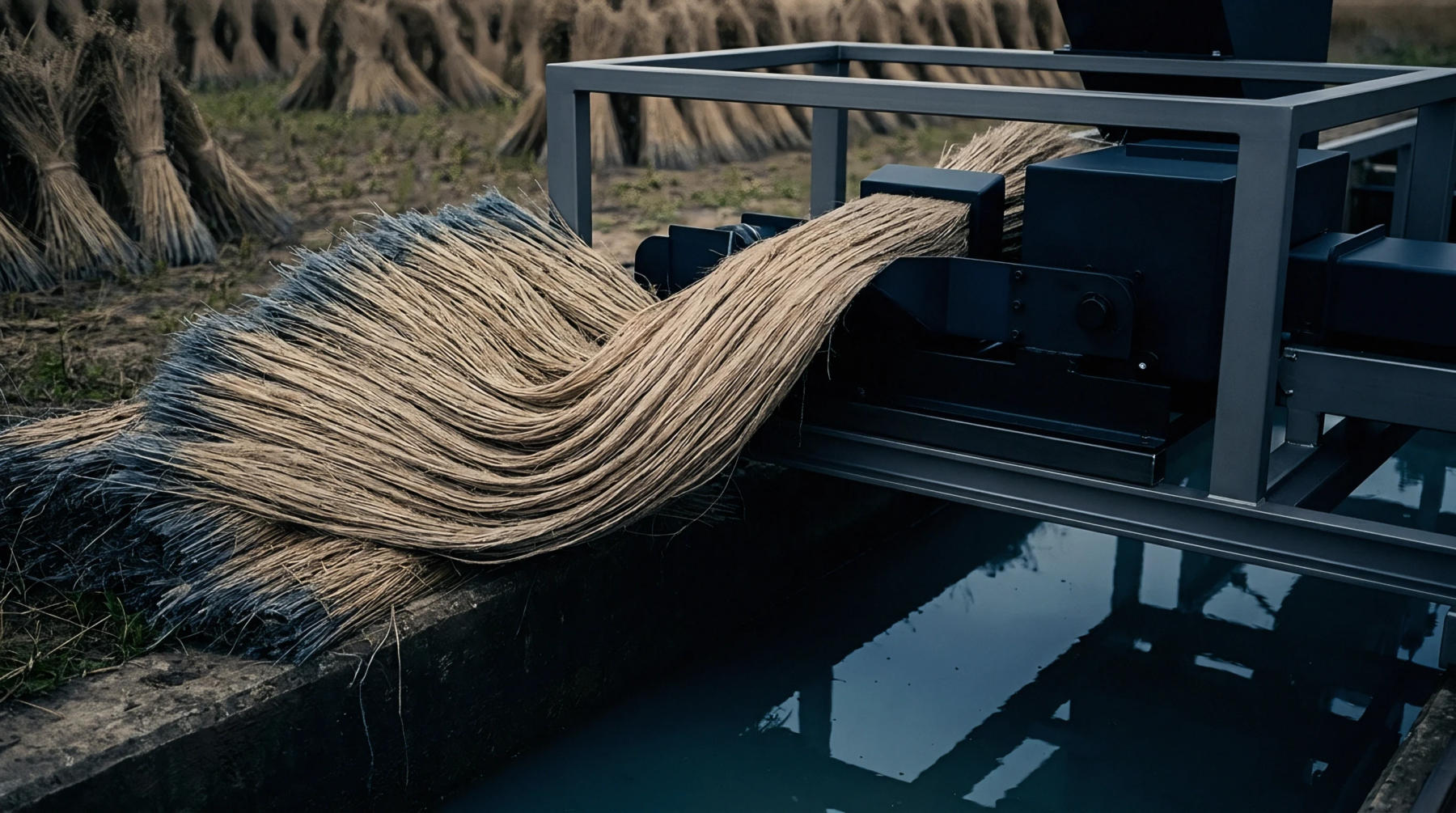
Linear density variance occurs during the drafting phase of flax processing when drawing frames undergo mechanical slip or roller wear. Natural bast fibers lack the uniform staple length of synthetics, so draft zone settings must account for irregular fiber distribution. Yarn count drift develops when drafted slivers deviate from nominal tex targets over extended processing runs.
Spinners monitor this parameter through periodic length mass weighing on laboratory reels. Mill quality ledgers record these deviations before packages move to the winding floor.
Draft Tolerance
Production limits separate acceptable draft variance from rejected output during mill operations. Buyer contracts specify maximum linear density shifts permitted per kilometer of single yarn. Internal mill standards enforce tighter tolerances to prevent downstream defects in woven linen fabrics.
Technicians adjust back roller weighting whenever measured counts exceed allowable variance margins. Export grade specifications mandate strict compliance with these linear density thresholds before commercial release.
Mass Deviation
Fiber irregularity within wet spinning baths intensifies count drift across extended production batches. Temperature fluctuations alter drafting fluid viscosity, changing draft ratios without altering machine settings. Operators calculate mass deviation percentages from conditioned skein weights recorded on production shift logs.
Heavy count sections create visible bars in woven bed sheeting after finishing treatments. Corrective action requires immediate calibration of drawing frame drafting rolls before warping operations begin.