Mechanical Pressure Control
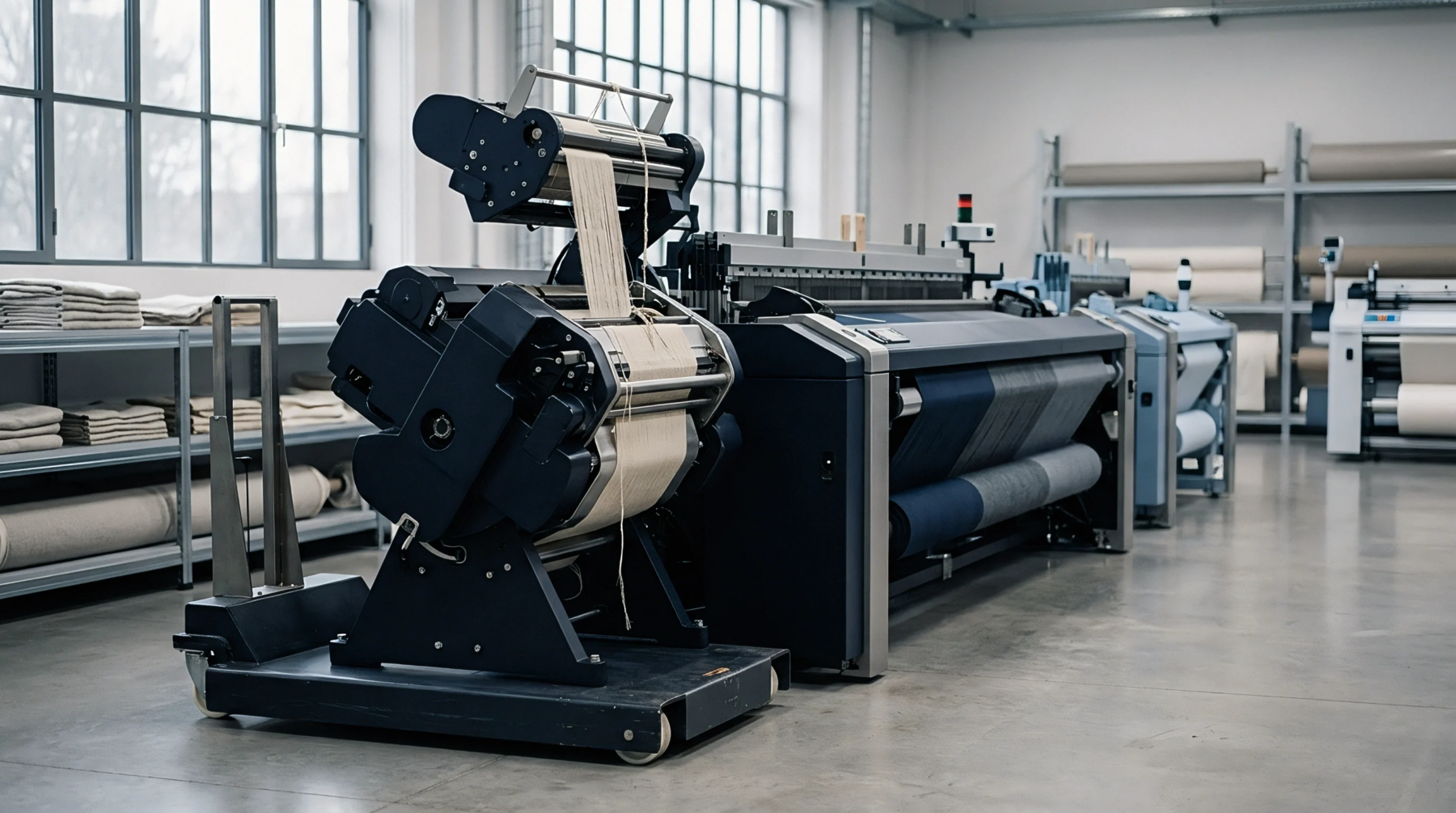
Hydraulic fluid regulation on a textile loom maintains constant warp tension by managing the descent of the whip roll during shed crossing. Stable warp geometry requires precision actuators because fluctuating yarn resistance breaks delicate flax fibres during high speed production in Chinese spinning mills. Excessive fluid pressure rigidifies the assembly and tears low twist yarns while insufficient resistance causes warp slackness and loom stops.
The whip roll hydraulic dampener absorbs cyclical shock loads generated by the movement of heddles and batten motion. Mill technicians calibrate relief valves according to yarn linear density and warp density before starting a production run.
Fluid Circuit Maintenance
Internal seal degradation causes pressure drops that alter fabric grading during continuous wet spinning and weaving operations. Maintenance logs record fluid viscosity variations caused by ambient temperature shifts inside the production hall. Contamination from sizing agent particles or metallic wear debris clogs fine metering orifices and destabilizes the damping response.
Technicians flush the closed loop circuit periodically and replace degraded synthetic elastomers to preserve operational consistency.
Export Acceptance
Foreign buyers evaluate finished linen fabric by inspecting tensile strength and surface uniformity recorded in factory inspection sheets. Defective dampeners introduce periodic barre marks across the cloth that force downgrading from first quality export stock to industrial seconds. Exporters verify that mechanical maintenance records comply with international quality standards before final shipment to overseas markets.