Intrinsic Viscosity Assessment for Continuous Wet Roving Processing
Continuous wet roving intrinsic viscosity assessments require standardized cupriethylenediamine dissolution to prevent undetected polymer backbone degradation.
Controlled sliver elongation between roller pairs operating at differential surface speeds occurs while bast fiber strands are immersed in hot water to soften inter-fiber pectins. Heating roving bundles in aqueous troughs at temperatures between fifty and seventy degrees Celsius plasticizes the natural hemicellulosic and pectinous matrix binding individual ultimate fibers together into technical bundles. Submerged or wetted fiber ribbons enter drafting zones where retaining rollers grip the incoming strand while high-speed drawing rollers pull the leading ends forward under controlled mechanical tension.
This physical drawing process slides ultimate fibers longitudinally across one another, reducing bundle diameter and aligning individual filaments along the prospective yarn axis before twist insertion. Slippage mechanics cease to function correctly if trough water temperatures drop, chemical wetting agents fail or drafting roll pressures fall outside prescribed operational limits.
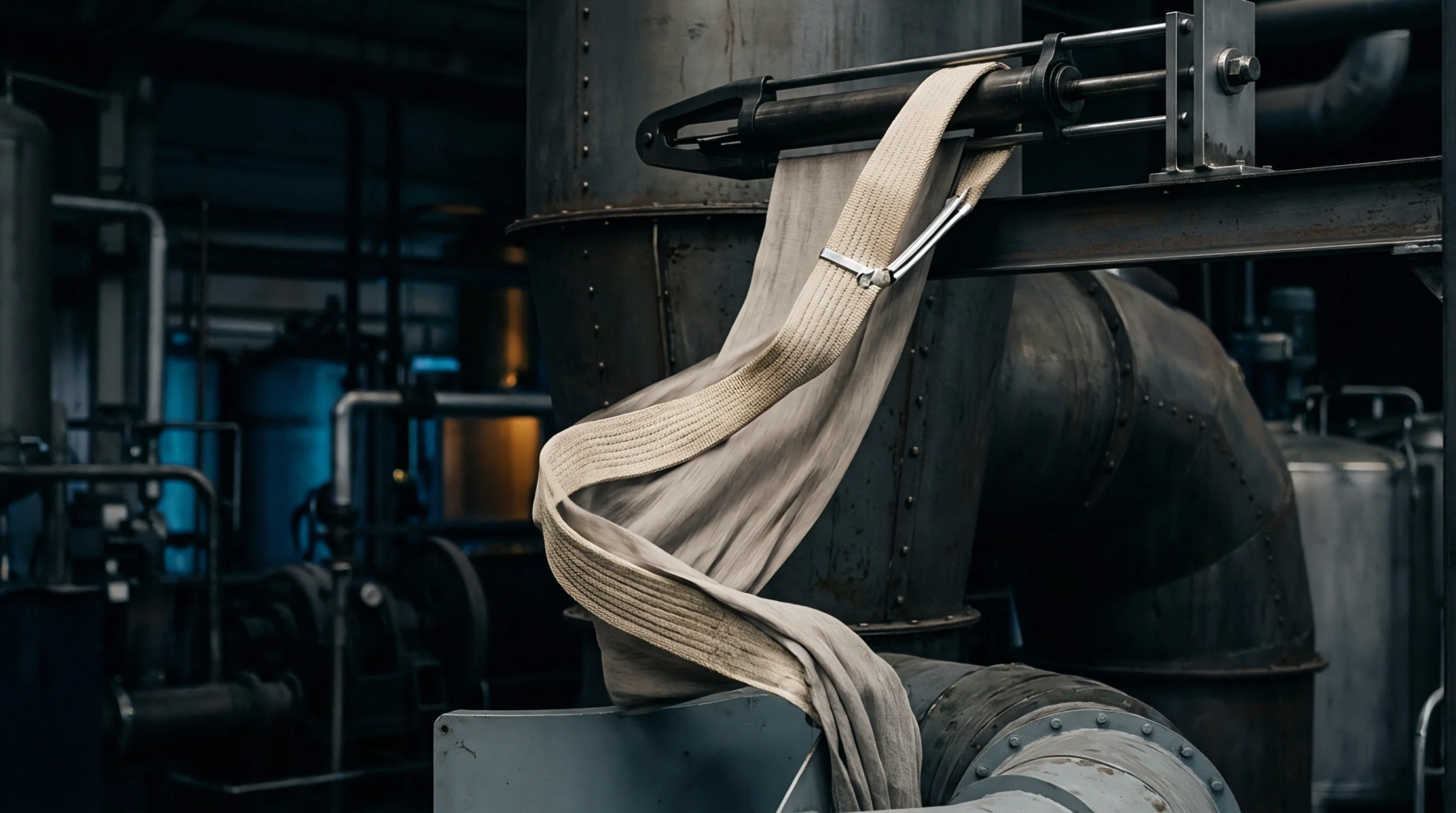
Wet ring spinning frames feed twisted flax roving through elongated stainless steel troughs filled with softened water maintained at sixty degrees Celsius. Submerged guide rods keep the roving immersed for five to eight seconds, ensuring complete moisture penetration through the tightly packed bast fiber bundle. Immersed roving leaves the trough and enters the drafting zone, which consists of back fluted steel rollers, intermediate apron supports or reach control guides, and front drafting rollers running at draft ratios between ten and thirty.
The physical distance between the back and front roller nips, designated as the machine reach, is adjusted precisely between fifty and eighty millimeters to accommodate the long technical fiber lengths of hackled flax. Front roller pairs apply high mechanical loading, often using polyurethane-coated top rollers with Shore A hardness ratings between eighty and eighty-five degrees to prevent fiber slippage under wet drafting forces. As the heated fiber strand enters the front nip, individual ultimate fibers peel away from adjacent bundles as the softened pectins yield, generating a streamlined, uniform fiber flow.
Technicians inspect drafting roller alignments, monitoring nip pressure indicators, water temperature controllers and apron clearances across all spindle stations. Mechanical tracking logs record roller speeds, total draft ratios, water conductivity levels and trough temperature records to maintain uniform drafting dynamics across the spinning frame.
Wet drafting mechanics dictate the tensile strength, linear density uniformity and surface hairiness of wet-spun linen yarns. Insufficient trough temperature prevents pectin plasticization, causing fiber bundle snatching, erratic drafting waves, and severe yarn count irregularities that register as thin and thick places on capacitance yarn testers. Excessive water temperatures or aggressive chemical softening agents dissolve middle lamellae completely, causing uncontrolled fiber slippage, fiber breakage and frequent spindle end-breaks that shut down spinning stations.
Spinning managers balance drafting roll pressures and reach settings against the specific hackling grade and retting level of the incoming flax lot, documenting drafting setups on machine allocation sheets. Linen yarns produced via optimized wet drafting mechanics exhibit smooth, hairless surfaces with tight fiber packing, delivering the crisp hand and natural luster required for high-grade linen shirting and apparel fabrics. Woven fabrics produced from properly drafted wet-spun yarns achieve superior tensile break loads and uniform dye uptake, eliminating streaky visual defects across finished piece-dyed goods.
Export sales agreements specify wet-spun quality classifications, requiring mills to verify that yarn lots were produced on temperature-controlled wet-spinning systems rather than dry-drafting equipment. Processing audits examine drafting roller maintenance histories, water filtration logs and spindle efficiency metrics to confirm stable mechanical conditions across production operations. Master spinners adjust draft ratios based on bundle fineness to maintain targeted yarn counts and prevent package variation across large export shipments.
Proper execution of wet drafting mechanics ensures the manufacture of exceptionally strong, high-performance linen yarns that satisfy exacting commercial specifications. Mechanical drafting precision remains the operational foundation of high-value linen textile manufacturing. Production records demonstrate that wet drafting controls protect yarn consistency throughout commercial spinning schedules.
Stable drafting kinematics ensure the reliable delivery of export-grade linen textiles. Technical control over sliver attenuation guarantees finished yarn durability in global apparel markets. Optimized roller mechanics preserve fiber alignment and deliver high-strength linen yarn structures.
Consistent drafting control remains essential for producing premium woven fabrics across the international textile trade. Verified process settings prevent fabric defects and ensure total compliance with commercial quality standards. Machine precision safeguards yarn performance from roving intake to final package winding.
Documented drafting parameters establish process stability across all active spinning bays. Mechanical control of wet fiber attenuation confirms the superior structural value of wet-spun linen textiles. ~
Continuous wet roving intrinsic viscosity assessments require standardized cupriethylenediamine dissolution to prevent undetected polymer backbone degradation.
Expertise is a utility, not a secret. sentiention™ publishes its working knowledge as open reference: intelligence layer covering the materials it sources, the markets it enters, and the reference that serves both.