Spinning Disruption
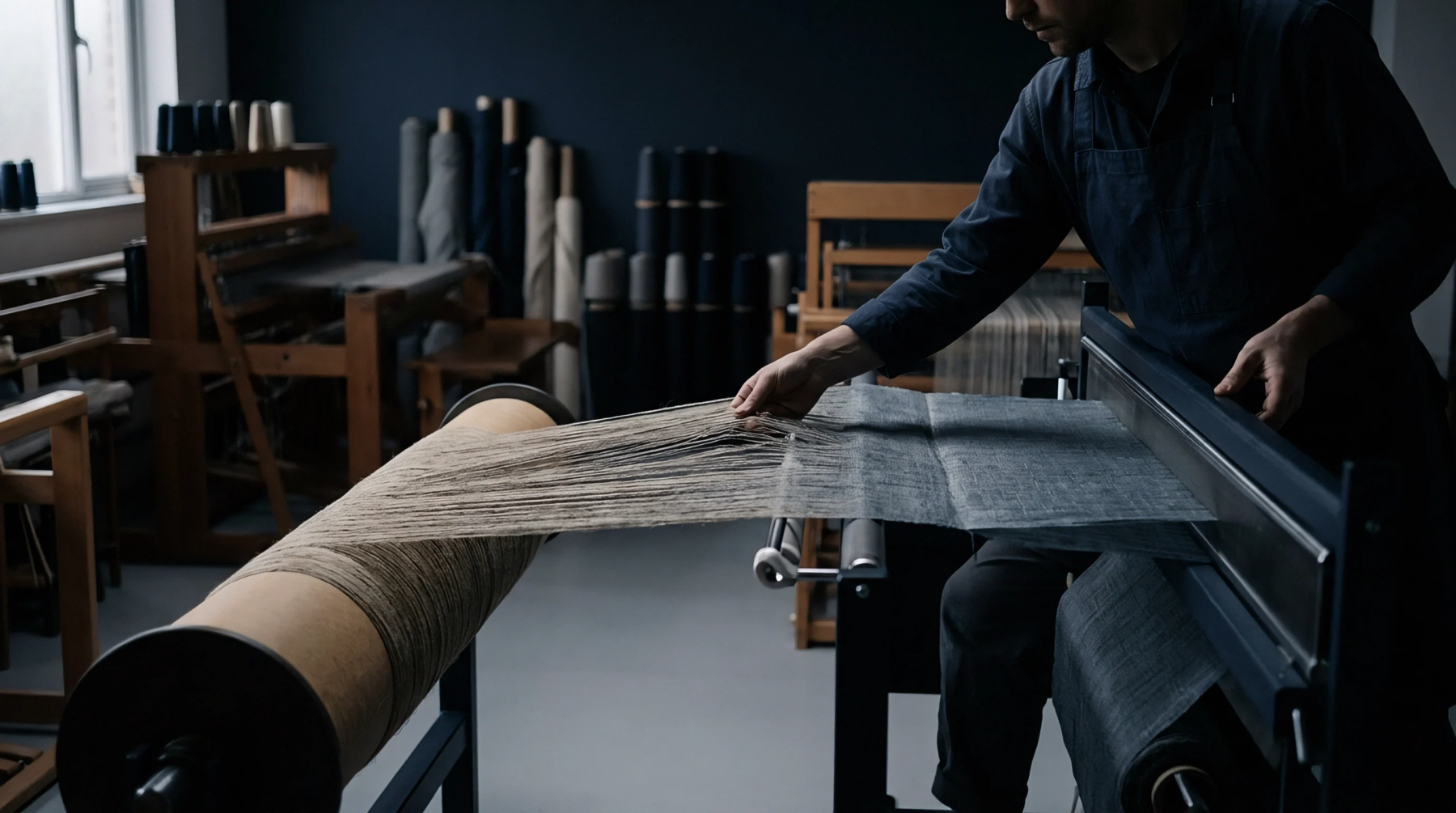
Yarn continuity failure during the wet drafting process occurs when the fiber strand snaps before it receives the final twist. These wet draft end breaks represent the frequency of production stops caused by weak spots or tension spikes in the drafting zone of the spinning frame. Every occurrence requires the operator to manually join the yarn, which creates a knot or a splice.
Efficiency Loss
Machine downtime increases to a large extent when production stops are frequent. If the number of wet draft end breaks exceeds the standard operating limit, the efficiency of the spinning frame drops. Factors such as water temperature in the trough and the pressure of the drafting rollers influence the stability of the fiber strand.
Technicians monitor the moisture content of the roving to prevent the fibers from becoming too brittle during the draft. High tension on the yarn during the twisting phase can also lead to more frequent snapping of the line.
Material Quality
Bundles of fibers with poor strength or insufficient length increase the likelihood of a snap under tension. High rates of wet draft end breaks often correlate with fibers that were damaged during the scutching process. Reducing these incidents requires a combination of better fiber selection and precise mechanical adjustment.