Tension Measurement
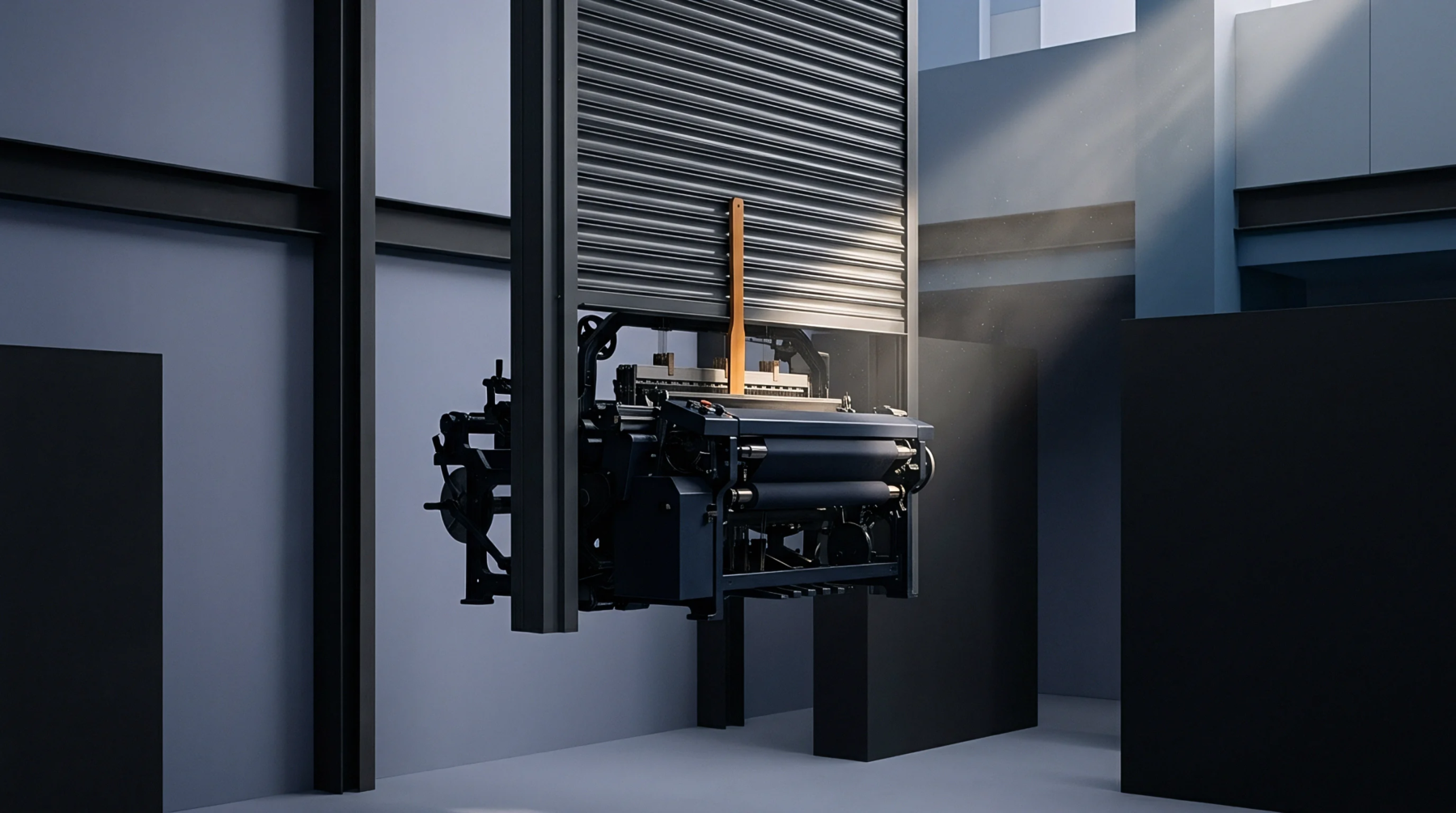
Industrial weaving machines utilize electronic sensors to monitor the dynamic load of warp threads during the shedding and beat-up cycles. The warp tension transducer measures the mechanical force exerted on the yarn by converting the physical strain of the warp sheet into a continuous electrical signal. This feedback loop allows the loom’s let-off motion to adjust the beam rotation speed in real-time.
Load Calibration
The device is positioned on the backrest roller where the warp sheet passes on its way to the heald frames, allowing it to register every minute change in thread tension. Because flax is a rigid fiber that does not stretch easily, even slight tension spikes can cause immediate yarn breaks or create set marks when the loom pauses. The transducer provides the control unit with the data required to maintain a stable tension profile, preventing both slackness and excessive stress.
This constant adjustment is particularly critical during the transition from a full warp beam to an empty one, as the changing roll diameter alters the mechanical leverage.
Quality Control
Maintaining uniform tension prevents the formation of thick and thin bands in the finished linen, ensuring a consistent hand and appearance. When the sensor fails, the loom can produce erratic tension bands that remain hidden until the fabric is finished.