Mechanical Tension
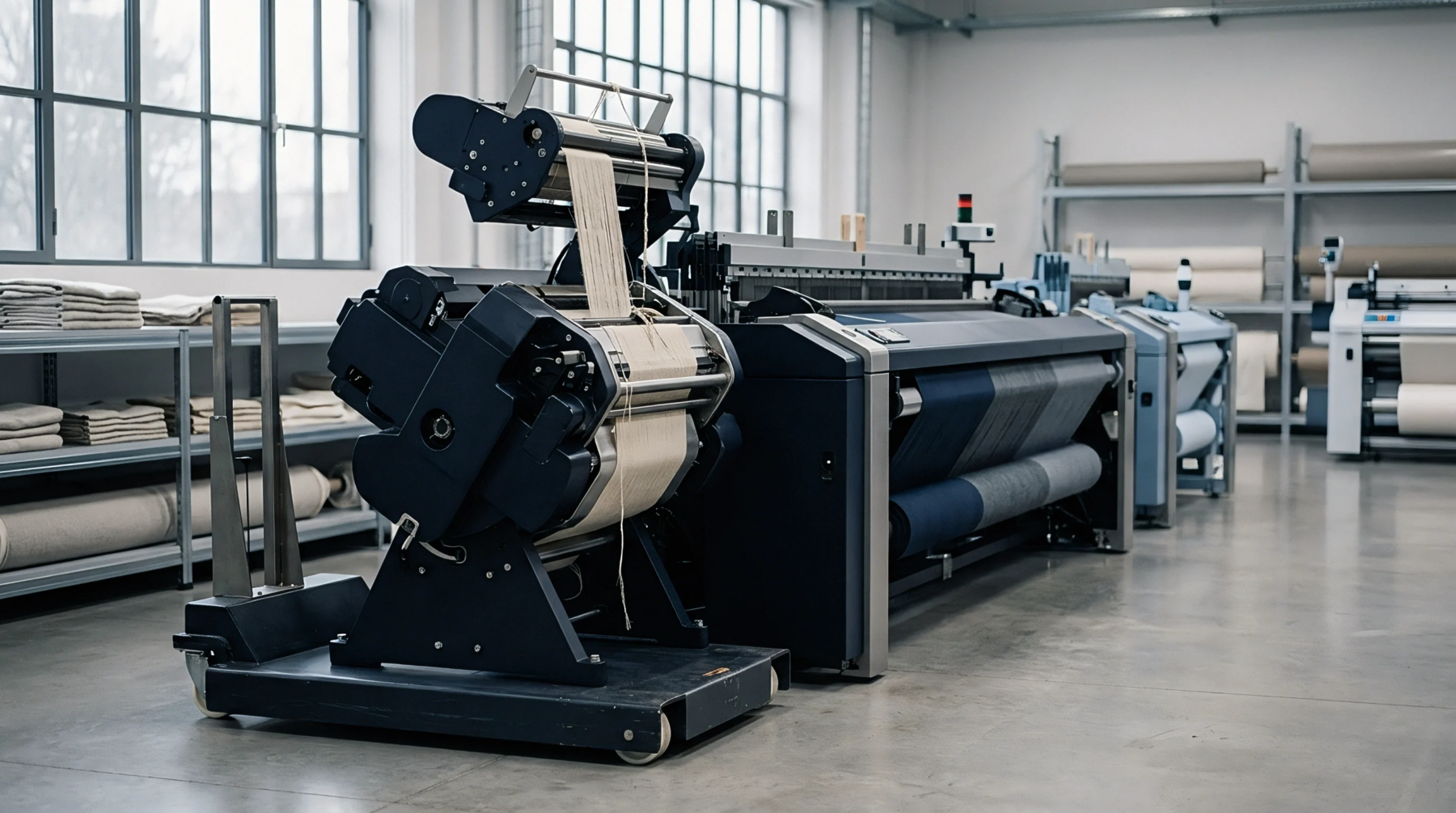
Mechanical forces govern the movement of flax yarn through sizing machinery before final delivery to the weaving room. Warp tension dynamics describes the continuous variance in lengthwise stress applied to individual yarn ends as they pass from the creel to the beam. Proper adjustment of this stress prevents excessive breakage on high speed looms operating within Chinese textile mills.
Excessive pull causes fibre fatigue while slack conditions produce uneven fabric density across the finished bolt. Quality assurance inspectors record these load fluctuations during daily mill audits on the factory floor.
Load Variance
Longitudinal stress levels fluctuate continuously according to ambient humidity and natural variations in the raw flax crop. Mill operators monitor load monitors mounted directly above the shedding mechanism to track sudden force spikes. Sudden changes in motor speed alter the resistance of the yarn sheet.
When humidity drops inside the production hall, brittle fibres snap under high pulling forces unless the operator recalibrates the drive gears. This mechanical calibration procedure appears on the official mill production log for every shift.
Sizing Calibration
Sizing agents applied prior to weaving alter how individual threads respond to mechanical stretching during production. Practitioners adjust the sizing bath concentration to maintain uniform elasticity across the entire width of the yarn sheet. Mill standards dictate specific elongation limits for standard linen grades destined for international export markets.
External buyers verify these elasticity limits against physical samples before signing supply contracts for grey goods. Final cloth durability depends entirely on maintaining stable longitudinal forces throughout the entire sizing process.