Elasticity Metric
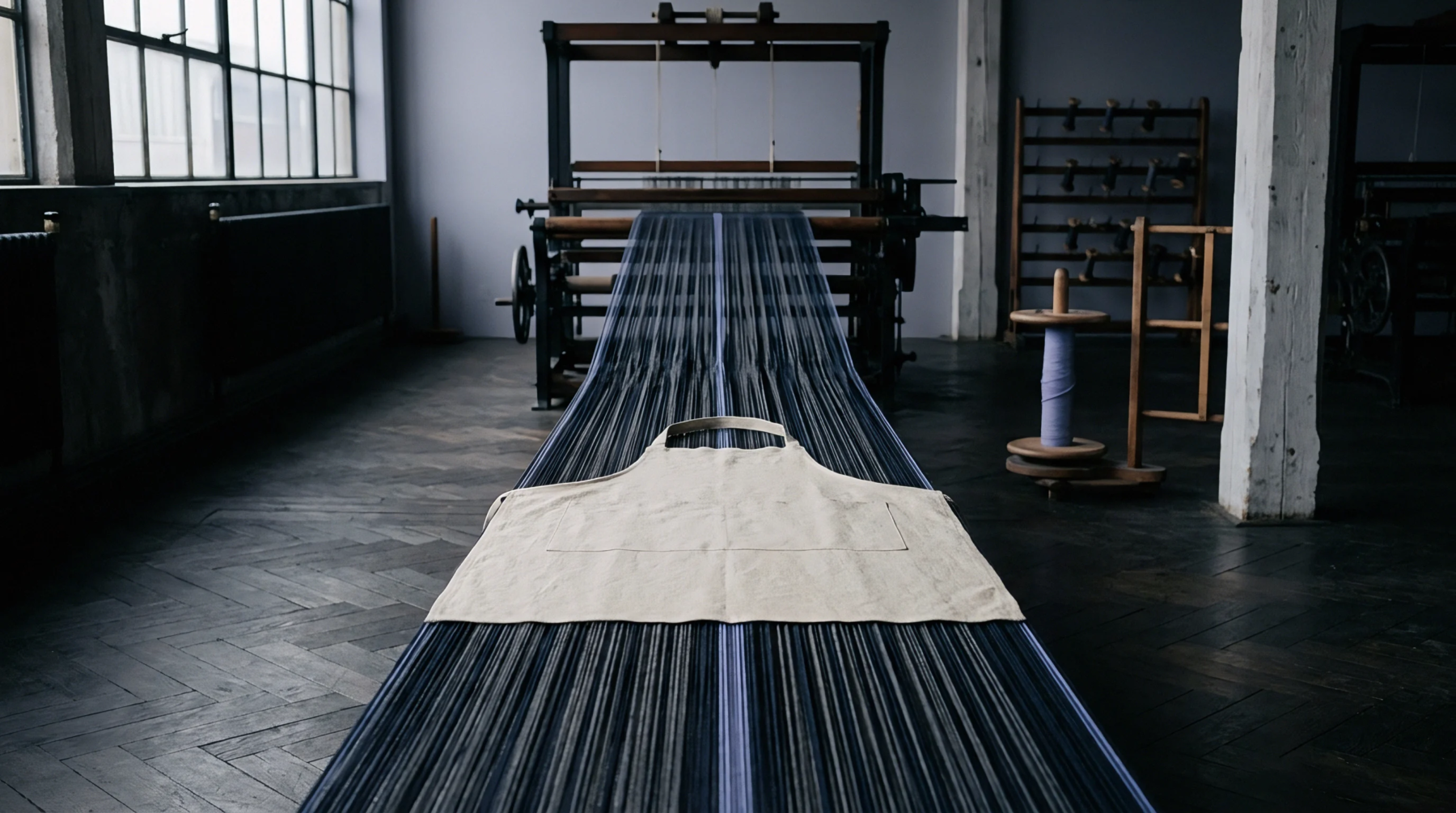
Flax yarn elongation under sustained tension functions as the primary mechanical control during high speed loom operation to prevent filament rupture across the warp beam. Warp strain profiling tracks the deviation of fibre extension from expected load bearing parameters during the drawing stage of production. Technicians utilize these measurements to calculate the specific tension buffer required for individual batch qualities before loom entry.
Consistent calibration prevents uneven cloth geometry caused by excessive pull on individual fibre bundles.
Tension Threshold
Machine operators observe the physical state of the yarn as it moves from the sizing vat toward the reed to ensure uniformity across the entire width of the loom. Warp strain profiling identifies micro fractures in the linen structure that arise when natural fibre elasticity hits a limit during high heat drying. This monitoring cycle relies on automated sensors that log resistive force at discrete intervals.
Discrepancies between the recorded load and the factory baseline trigger an immediate adjustment to the take up motion speed to maintain fibre integrity. Constant pressure regulation mitigates the risk of brittle failure in low grade flax batches. Standardized documentation captures these load measurements at each shift change to verify compliance with mill production standards.
Higher output rates increase the frequency of required calibration updates to manage the thermal expansion of the metal rollers guiding the yarn. Rigorous oversight in this phase ensures that the final cloth retains the specified tensile strength demanded by high end buyers.
Yield Variance
Woven linen fabric requires uniform fibre tension to pass downstream grading for export. Warp strain profiling separates inherent material weaknesses from process induced defects during the initial spinning cycle. Fibre batches exhibiting high variability receive additional processing to normalize the elongation characteristics before the weaving starts.
Mill standards for this procedure set the upper limit for permissible deformation while buyer acceptance criteria focus on the final drape and finish of the cloth. Verification of these metrics provides a record of the structural soundness of every batch produced within the facility. Accurate assessment of these physical properties minimizes the volume of discarded linen during final inspection.
Periodic audits confirm that the control systems respond correctly to fluctuations in fibre quality. Total load management governs the structural stability of the product.