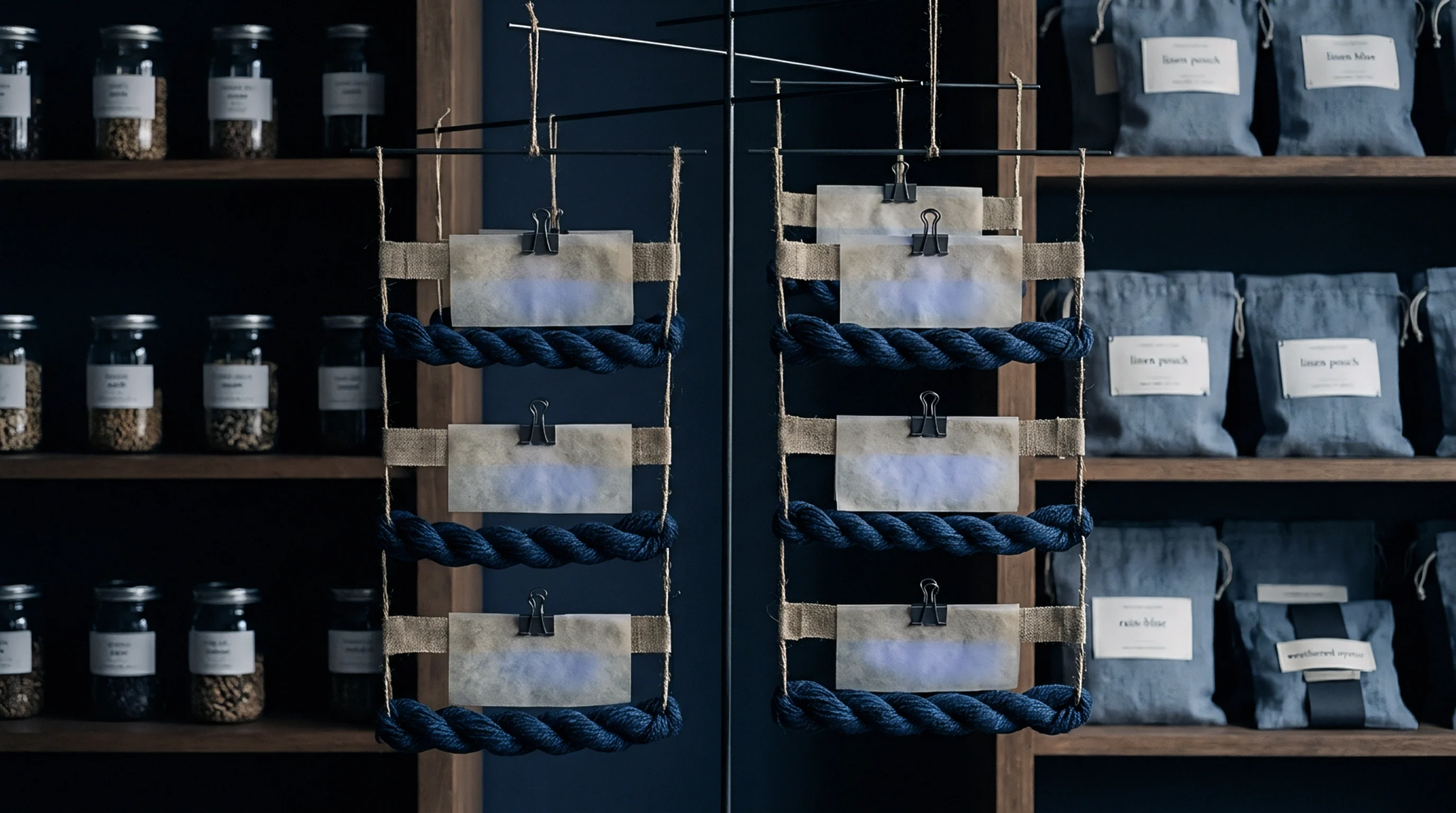
Cellular Degradation
Structural breakdown of the cellulose and lignin within flax fibers caused by exposure to excessive temperatures during drying or finishing. Evidence of thermal cell wall degradation often appears as a sudden loss in tensile strength or a brittle handle in the finished linen fabric. The damage occurs when moisture is removed too quickly from the core of the fiber bundle.
Molecular Impact
Chemical changes at the molecular level include the dehydration of hemicellulose and the permanent hardening of the natural gums that hold the fiber bundles together. When a mill experiences thermal cell wall degradation, the fibers lose their natural luster and become difficult to spin without excessive breakage. This state is irreversible and significantly lowers the grade of the resulting yarn or cloth.
Precise control of oven temperatures in the drying room prevents this loss of material integrity and maintains the value of the flax inventory.
Thermal Limit
Heat exposure limits are defined by the moisture content of the flax at each stage of the process. If the air temperature exceeds eighty degrees Celsius while the fiber is dry, the risk of thermal cell wall degradation increases sharply. Testing for this condition involves comparing the elongation properties of the affected batch against a control sample.
Maintaining a moderate temperature profile ensures the long-term durability of the linen textile.