Spinning Rejection
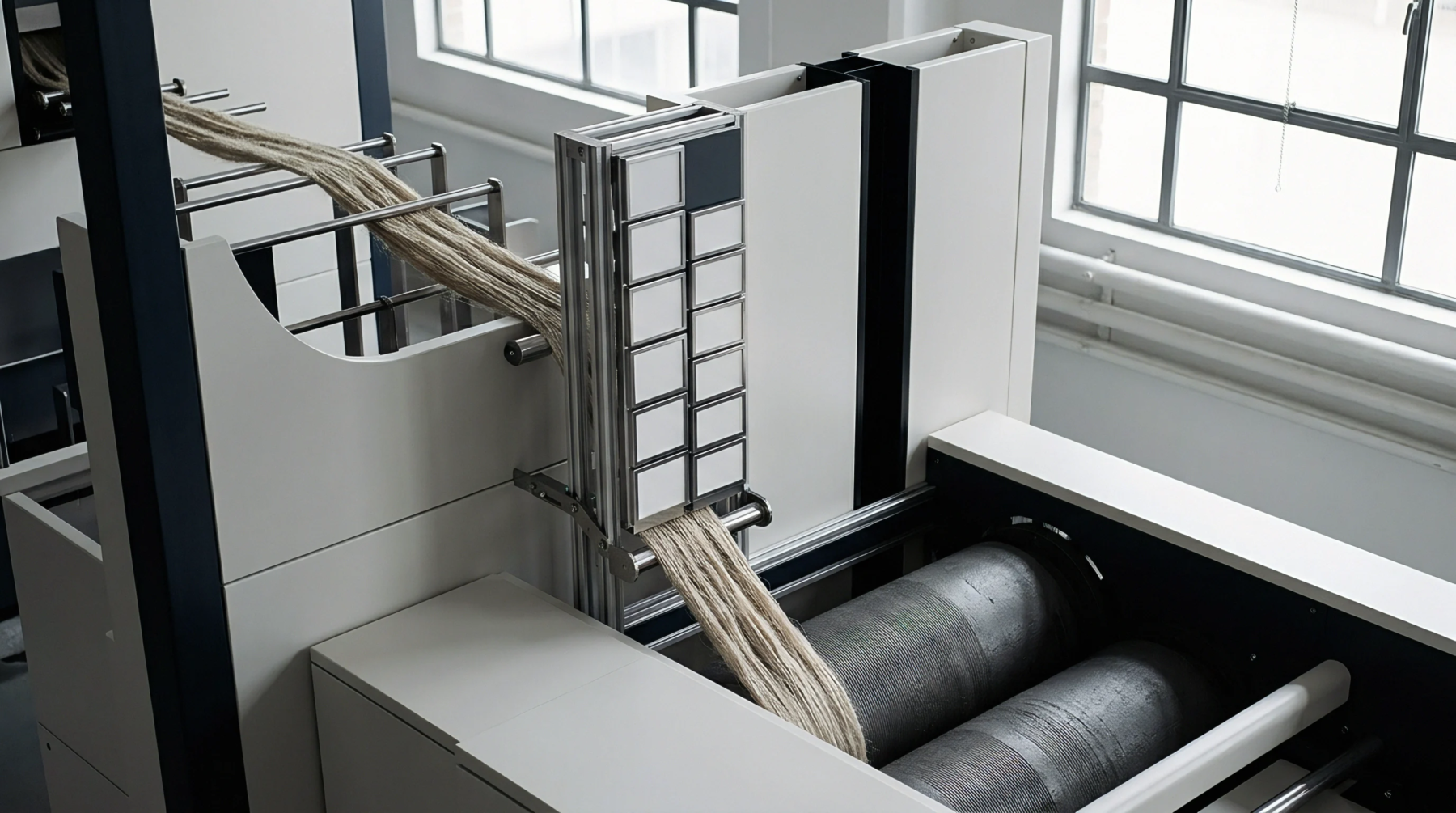
Discarded fiber lengths and broken yarn ends generated directly at wet or dry spinning frames constitute an operational yield loss. The spindle waste accumulates during piecing operations, traveler blockages and drafting zone slivers on the spinning floor. Flax processing creates unique spindle scrap due to high wet-spinning draft forces and the tendency of wet bast fibers to lap around rubber cots.
This material includes wet roving bits, twisted yarn segments and cot waste peeled from spinning rollers. Shift logs document gross spindle scrap weights across each machine frame to monitor ring traveler condition and operator efficiency.
Generation Mechanism
Roller laps occur when wet flax strands rupture between the front drafting roller and the spindle tip, wrapping around drafting rollers in seconds. Spindle waste collects on under-clearers or must be cleared manually by spinning operators using brass picks to avoid marring roller cots. Irregularities in flax roving bundles, improper roving twist or fluctuating water trough temperatures increase lap frequency.
Because wet-spun yarns are impregnated with warm water to soften pectin during drafting, collected spindle scrap quickly dries into rigid, compacted clumps. Processing floors maintain strict segregation bins to keep wet spindle scrap away from dry tow or long-line waste streams.
Recovery Value
Recovered spindle waste undergoes grading according to fiber cleanliness, twist presence and degree of cot contamination. Lightly twisted waste can be returned to opening and carding lines for blending into low-count tow yarns or coarse utility rope stock. Heavily twisted yarn remnants require mechanical garnetting to pull the compacted bast bundles back into workable fiber mass, which damages average staple length.
Mill management tracks spindle scrap percentages as a direct quality parameter against imported European flax roving lots. High spindle waste rates prompt rapid adjustments to drafting roller pressures and ring traveler profiles to restore economic yield.