Specialty fabric
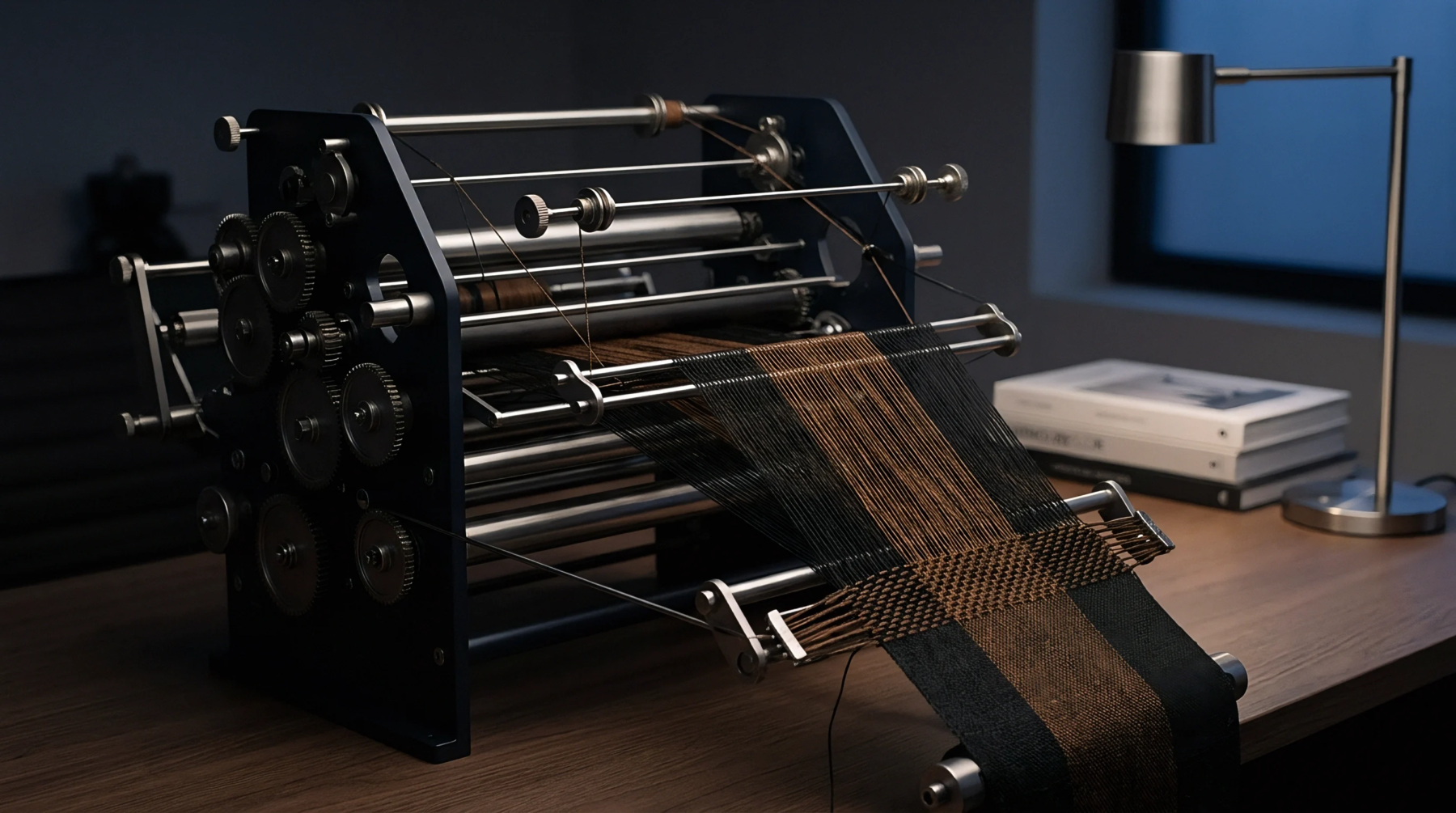
Specialty fabric production process utilizes yarns with intentional thick and thin regions to create a fabric with a textured surface. In flax processing, slub yarn weaving highlights the natural, rustic appearance of linen by incorporating these uneven threads into either the warp or the weft of the cloth. This technique requires adjustments to the loom settings to accommodate the varying yarn thickness.
Special attention must be paid to the yarn guides and tension sensors to prevent the larger yarn diameters from triggering false yarn-break signals that would otherwise cause frequent, unnecessary machine shutdowns.
Mechanical Tension
Mechanical tension must be regulated carefully on the loom because the thick slubs can catch in the reed or the healds during the shed opening. In slub yarn weaving, the sudden increases in yarn diameter can cause friction and lead to warp breakages if the loom speed is too high. This tension control is important when using linen yarns, which have low elasticity compared to synthetic fibers.
Loom Setting
Loom parameters are modified by the technicians to ensure that the slubs are distributed evenly across the fabric without creating dense patches or lines. Technicians adjust the pick rate and the beat-up tension to maintain the desired fabric hand and stability when using these irregular yarns. This adjustment is documented on the loom card to ensure consistency across different production runs.