Production Variance
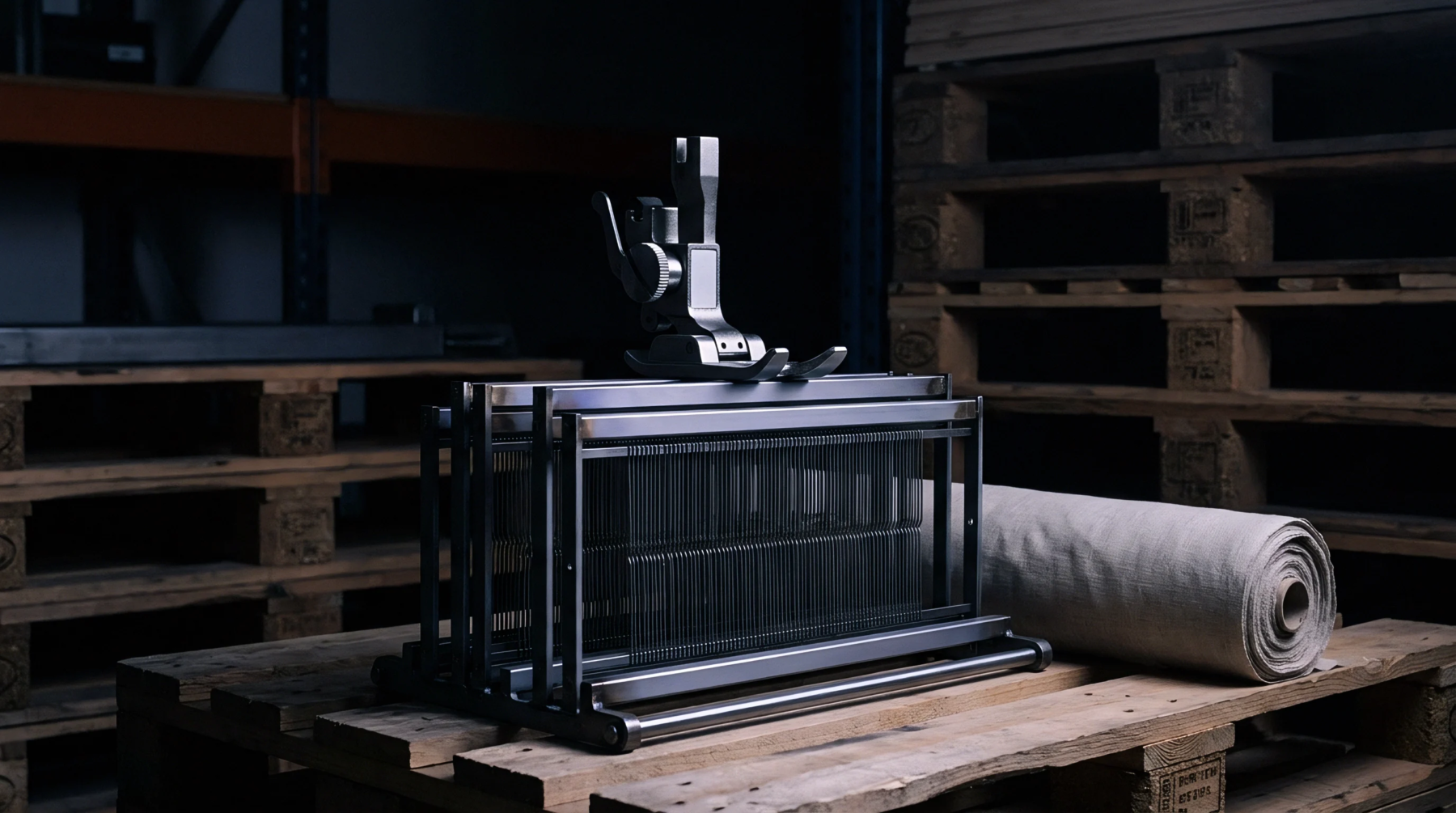
Yarn spacing in a harness loom follows a regular sequence to maintain structural integrity across the bolt of fabric. Skip drafting represents a deliberate omission of specific heddle shafts during the lifting sequence to create a patterned gap or a modified texture in the weave. Operators manage this deviation from the standard harness order to generate aesthetic effects or to adjust the physical density of the cloth without changing the thread count at the warp beam.
Mill supervisors verify these sequences against the loom settings sheet to ensure the intended pattern remains consistent throughout the production run.
Mechanical Execution
Shaft manipulation involves skipping one or more harness frames in the rotation cycle to prevent the interlacing of specific warp threads. Precise timing of the lift ensures that the unsupported threads float over the filling yarn for a defined distance before the loom returns to the default weave structure. Loom technicians calibrate the cam or the electronic dobby system to automate these gaps across every rotation.
Errors in the sequence lead to visible defects in the fabric surface that compromise the structural consistency required for export grade linen.
Technical Boundary
Design variations remain restricted to the specific pattern instructions recorded in the production technical file. Limits exist where the integrity of the base weave fails because the length of the float exceeds the tensile capacity of the unsupported warp fibres. Quality control auditors measure the resulting float length against the maximum allowable gap defined in the contract to prevent snagging during downstream finishing or end use.
Professional production standards require that the omission of shafts never alters the fundamental stability of the selvage edge or the weight of the finished cloth.