Warp Resistance
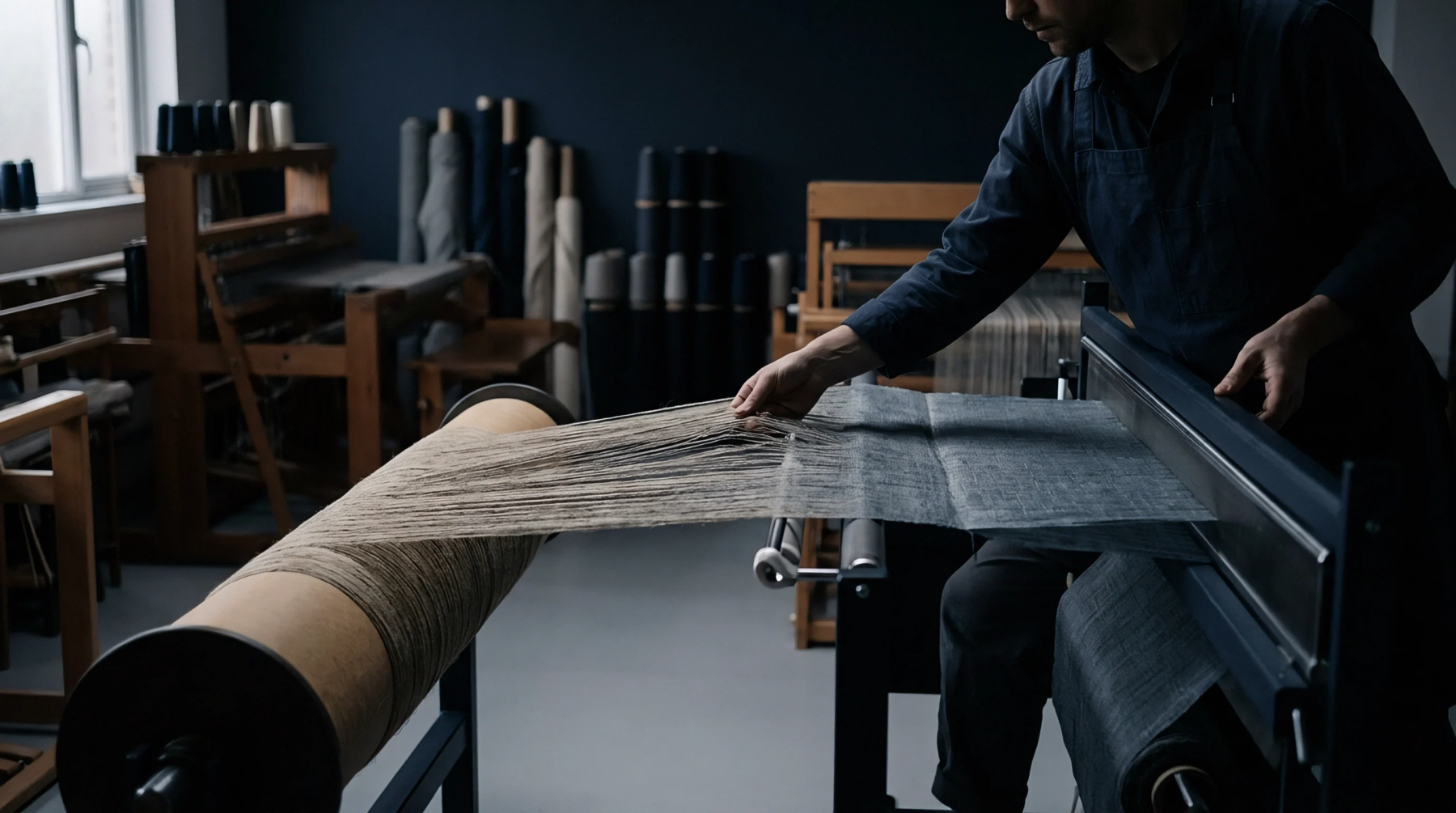
Mechanical force applied to flax strands during the sizing process limits breakage in the loom. Shed tension dictates the precise Newton load exerted on individual threads as they move through the heddle eyes. This value prevents excessive drag against the metallic surface of the reed and keeps the warp line clear of mechanical friction.
Precise calibration of the apparatus ensures that horizontal sheets of yarn separate cleanly without binding during the cycle. Optimal settings depend on the yarn count and the moisture content of the fibre. Excess force triggers premature filament failure, while insufficient levels cause the threads to slacken and tangle.
Loom Calibration
Operators monitor the load sensors to determine if the equipment maintains the specified throughput during continuous production. Records of these settings populate the batch verification document for export certification. The mill supervisor adjusts the weights on the tensioning bar until the digital display confirms that the warp stays aligned with the fabric design requirements.
A low setting leads to skipped picks in the woven cloth, whereas high levels cause the yarns to stretch beyond their elastic limit. Quality control personnel audit these records against the buyer specifications for finished linen goods.
Production Boundary
Standards for fibre preparation remain distinct from the testing protocols applied to completed fabric batches. Fibre strength tests measure the raw material capability before the spinning phase, whereas this operational setting governs the physical manipulation of the finished thread during the transition to cloth. Verification confirms that the operating window satisfies both the machine manufacturer constraints and the stability requirements for high grade linens.
Deviations from the baseline indicate an error in the feed mechanism. Consistent performance across the warp beam confirms that the machinery operates within the structural limit of the yarn.