Atmospheric Control
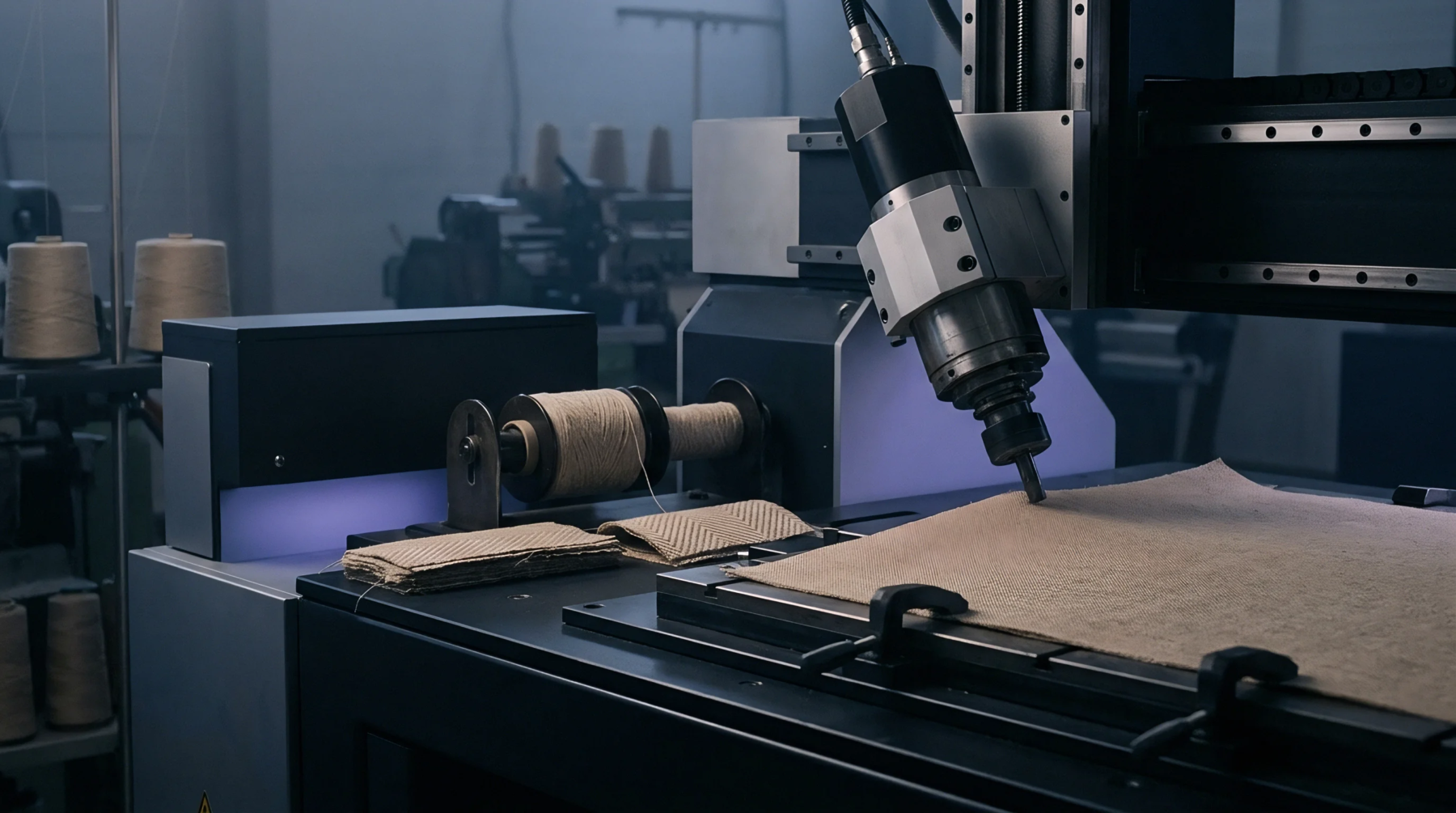
Local atmospheric conditions within a production hall govern the physical properties of natural fibers during high-speed machining. In fabrication facilities, shed micro-climate refers to the precise temperature and relative humidity levels maintained around the looms.
Operational Influence
Flax yarn is highly sensitive to moisture changes, becoming brittle and prone to breaking when the air is too dry. Maintaining a stable shed micro-climate ensures that the linen warp threads retain their natural elasticity under tension. Industrial humidifiers spray fine water droplets into the air to keep the relative humidity between seventy and eighty percent.
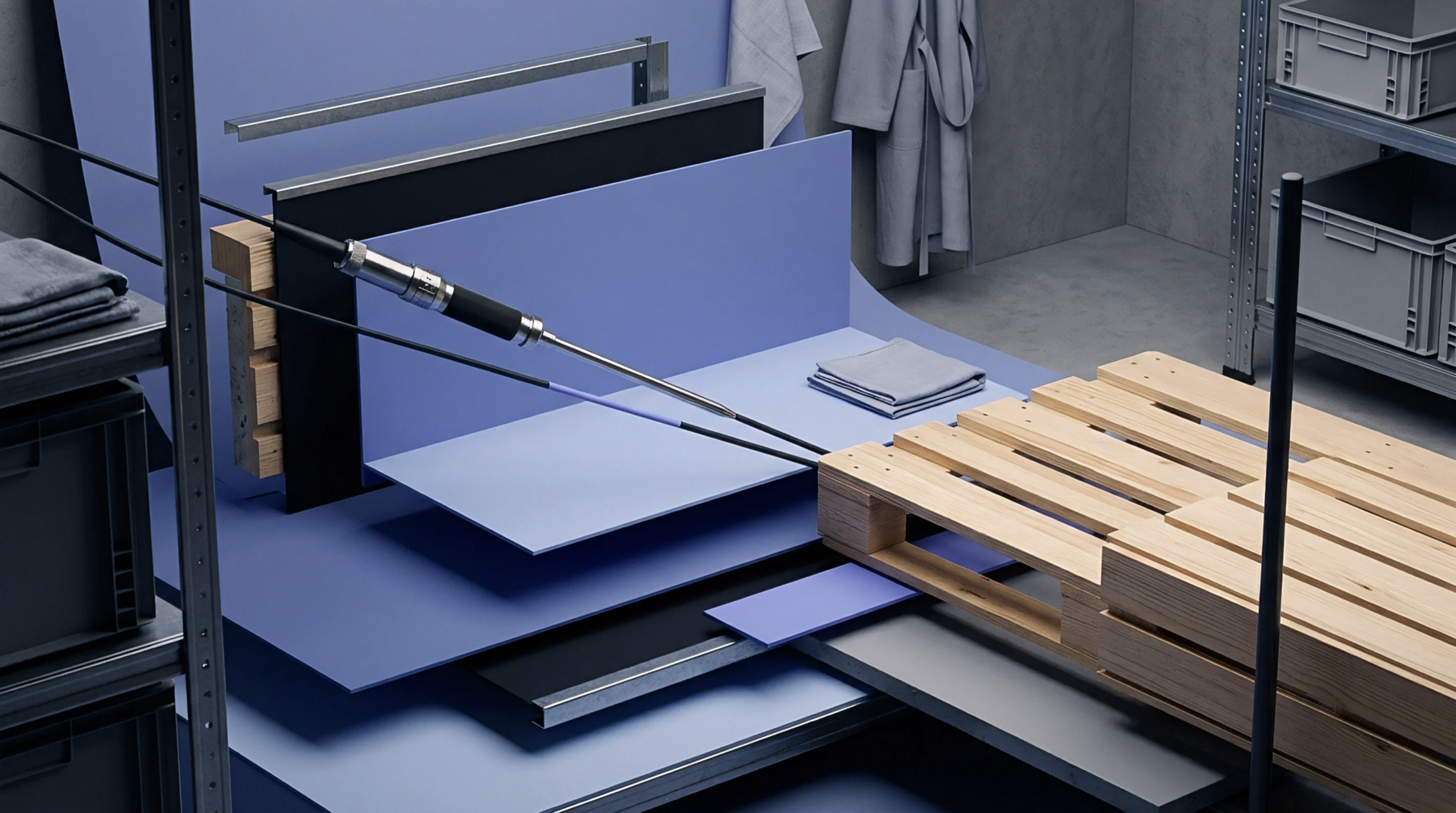
If the humidity drops, warp breaks increase, which stops the looms and lowers production efficiency. Technologists monitor these conditions constantly using digital sensors placed near the machine beds.
Quality Assurance
Consistent fabric density and uniform cloth structure depend on the stability of the environmental conditions during cloth fabrication. When the shed micro-climate is kept within tight limits, the linen cloth achieves a consistent hand and appearance. Excess humidity can cause the machine components to rust or the yarn to swell, which alters the fabric width.
Balancing these factors requires a reliable climate control system and insulated building envelopes. This attention to detail reduces fabric defects and ensures compliance with buyer specifications.