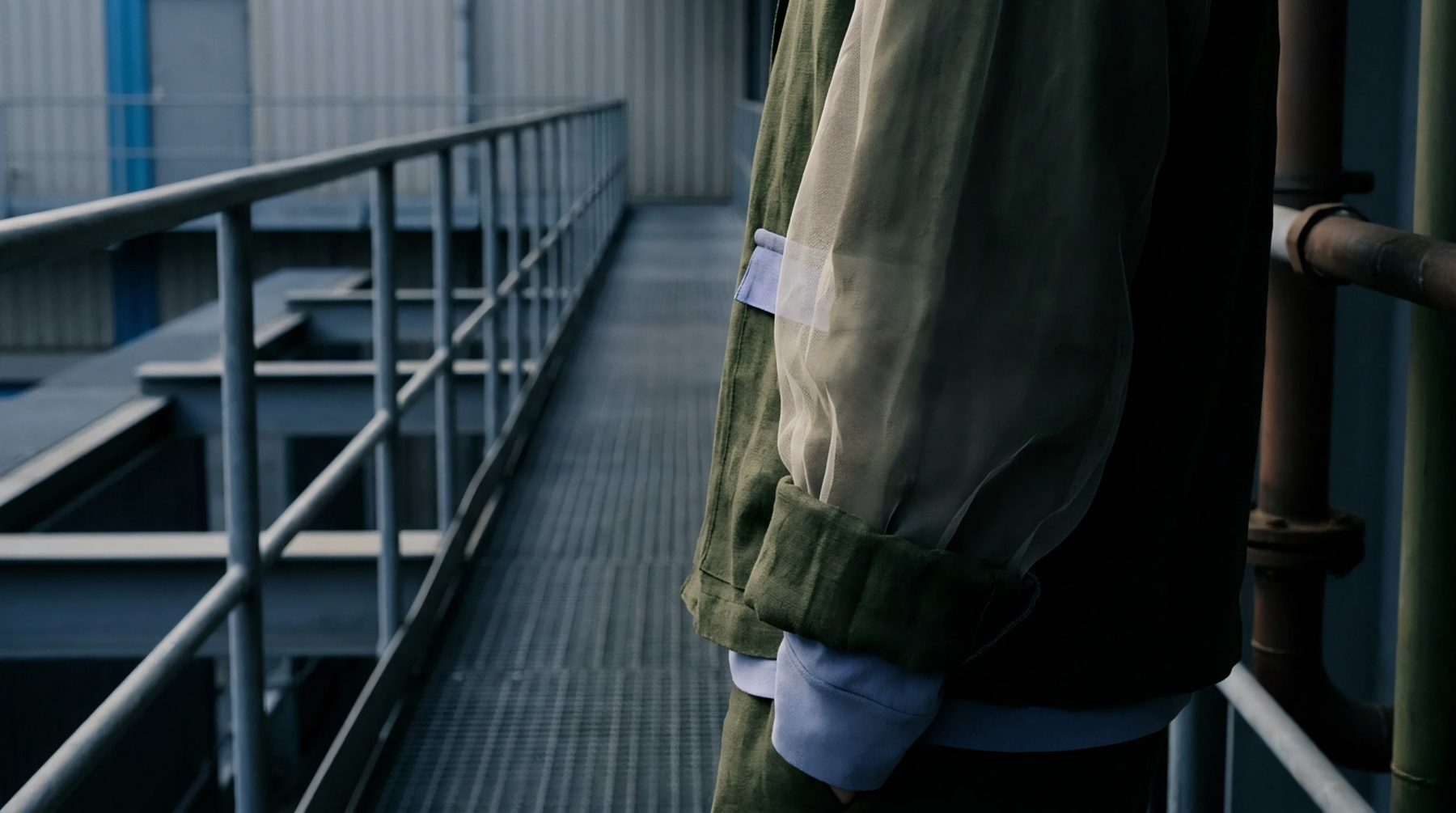
Fabric Alteration
Post-loom treatments designed to modify the texture, color, and functional properties of linen cloth prepare the material for final garment assembly. These secondary finishing operations include process steps such as bleaching, dyeing, enzyme washing, and resin application to improve the softness and wrinkle resistance of the fabric. Mills in Zhejiang record the specific sequences and processing temperatures used for each fabric batch in the finishing log.
Chemical Treatment
Application of softening agents and enzymes occurs in pressurized jets or continuous washing lines to break down the natural stiffness of the flax fibers. Unwashed linen is notoriously stiff, so enzymatic treatments are employed to selectively hydrolyze surface cellulose, resulting in a smooth hand feel. This treatment must be carefully timed and neutralized to prevent loss of tensile strength in the fabric warp and weft yarns.
The laboratory team logs the pH levels, the exposure duration and the bath temperatures to ensure batch-to-batch consistency.
Quality Inspection
Finished fabric evaluation begins after the dry-off stage, focusing on shrinkage, color fastness and tensile strength. If the chemical treatment is too aggressive, the fabric will fail to meet the buyer’s minimum strength specifications. The final test report accompanies the shipment to certify that the cloth is ready for garment manufacturers.