Mass Variation
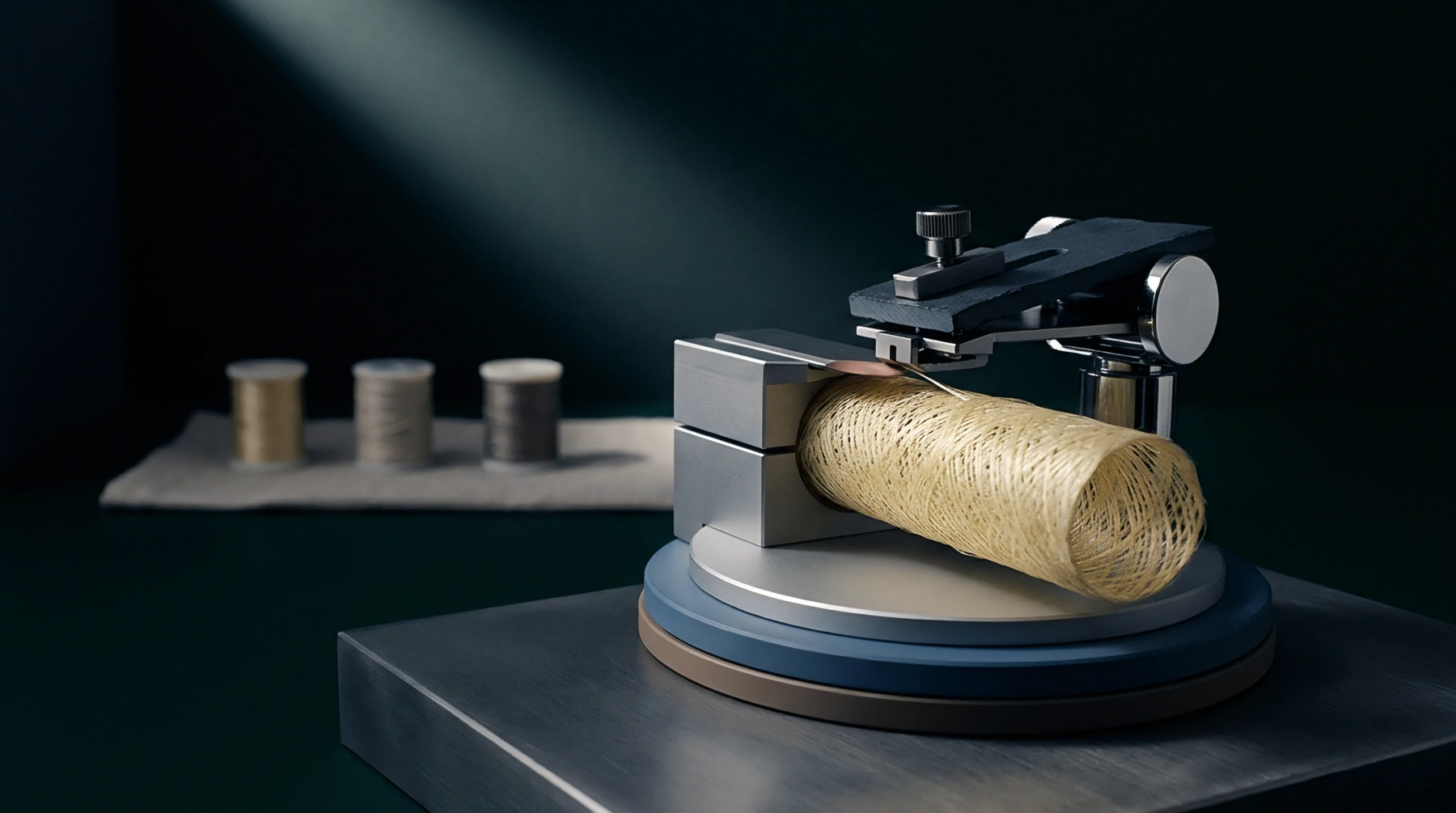
Intermediate strand mass variations quantify fluctuations in linear density along drafted fibre assemblies prior to final yarn spinning. Testing instruments measure roving unevenness in flax processing lines using capacitive sensors to track mass per unit length deviations along the roving strand. The measurement applies to drawn and twisted bast fibre rovings but excludes fully spun final yarns or un-drafted slivers.
Variance Mechanism
Roller drafting during flax preparation draws out sliver fibres into thinner roving structures, but uneven fibre distribution creates periodic thick and thin places. Capacitance testing equipment records continuous mass variation while roving unevenness manifests as percentage coefficient of variation in total strand mass. Short-fibre clustering and improper apron friction generate high-frequency mass spikes that destabilize downstream ring spinning.
Incorrect draft settings on roving frames amplify draft waves, increasing mass amplitude over fixed length intervals. Humidity fluctuations in the roving frame area cause temporary variation in fibre cohesion, compounding mass fluctuations.
Quality Control
Mill production logs track capacitive unevenness values to diagnose drafting roll wear and pin frame misalignment during flax preparation. Quality control managers set maximum allowable roving unevenness thresholds to prevent yarn breakages on wet spinning frames. Buyers of linen yarn inspect roving quality records to ensure high tensile uniformity in final woven fabrics.