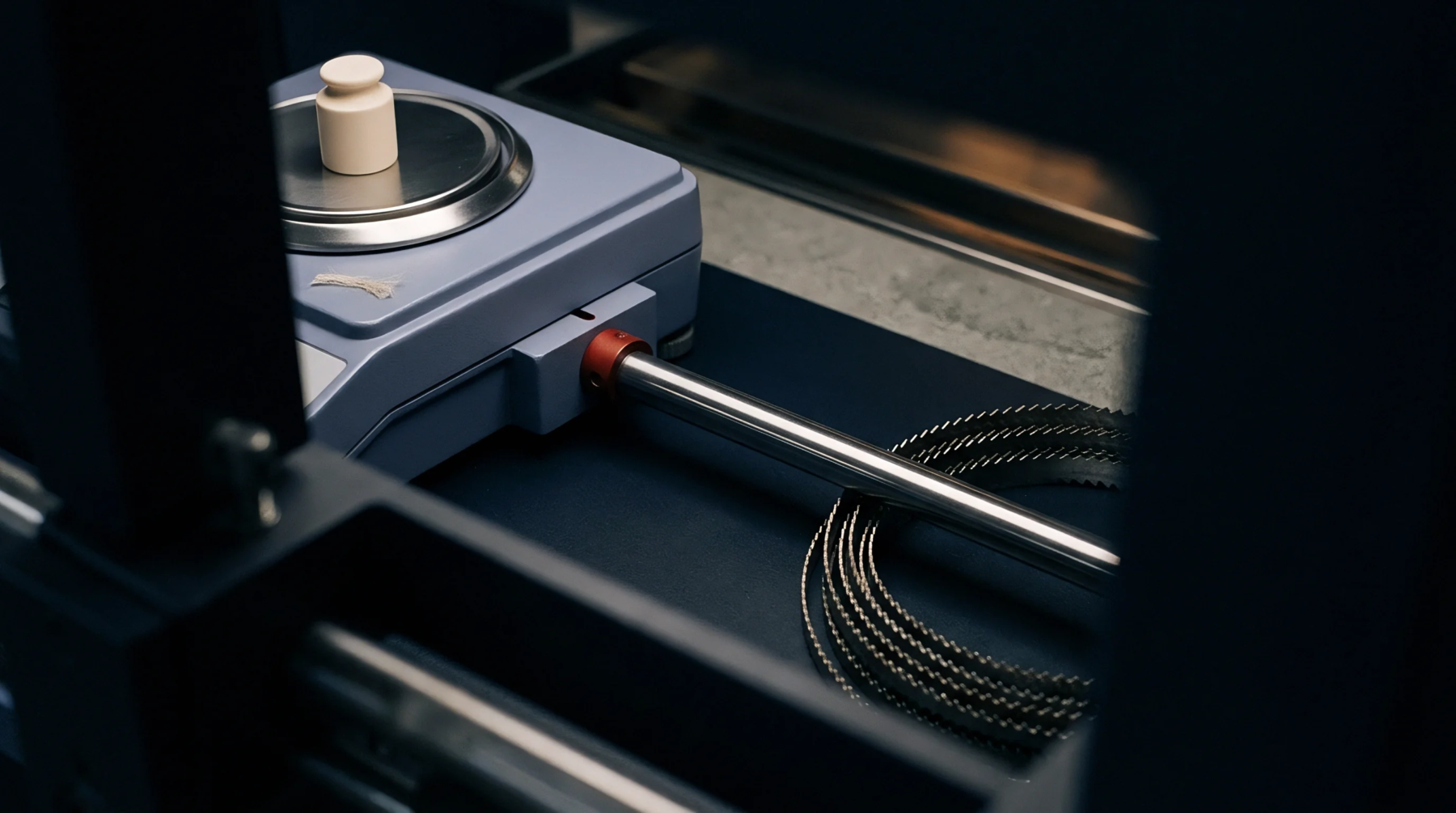
Shearing Mechanism
A heavy metal cylinder equipped with hardened steel blades rotates against a stationary bed knife to perform precise material separation during the finishing stage of flax processing. This rotary cutter operates by forcing the fabric over a sharp edge at a controlled velocity to ensure that loose fibres or uneven yarn ends drop cleanly away from the primary cloth surface. Production facilities employ this device to refine the physical appearance of woven linen before final inspection and shipment to buyers.
When excess material density builds up at the contact point, the machine automatically recalibrates its gap to maintain uniform pressure across the entire width of the bolt. Accuracy here relies upon the consistent tension maintained during the feed process.
Production Grade
Each batch undergoes verification against established mill standards to confirm that the degree of smoothness meets the requirements outlined in the purchase order. Inspectors evaluate the surface of the finished goods by measuring the height of the protruding fibres against a predefined threshold. Fabric reaching the shipping dock must demonstrate a consistent pile height that stays within the tolerance limits recorded on the mill test report.
If the variance exceeds two millimetres, workers reject the lot for additional processing. Mill staff monitor the sharpness of the blades during every shift to prevent uneven shearing results. Records indicate that frequent blade replacement prevents long term degradation of the textile quality.
Maintaining these standards allows exporters to guarantee that the product meets international trade requirements regarding uniformity and texture.
Operational Boundary
Limits of this apparatus apply strictly to the finishing phase and do not extend to the raw fibre preparation or the spinning of individual yarns. The machine functions only on finished woven fabric that has undergone previous sizing and drying procedures within the mill environment. Application of this hardware ceases once the textile enters the packing and palletization area because the risk of mechanical damage to the fabric structure increases at higher handling speeds.
Precision shearing represents the final mechanical intervention allowed on the material prior to commercial distribution.