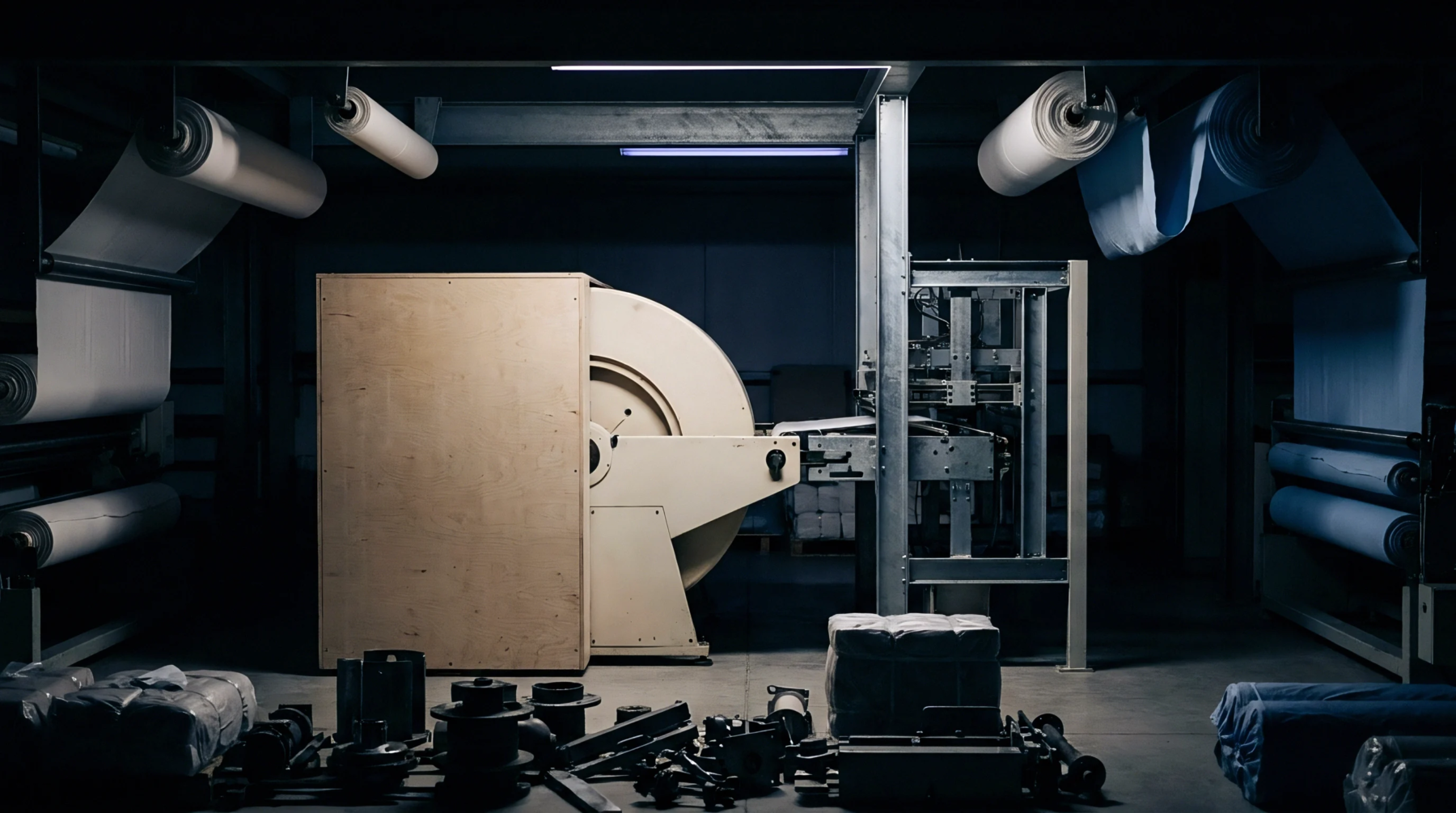
Spinning Mechanism
Fine flax fibres undergo ring frame processing to achieve the required yarn count and structural strength before winding onto bobbins. This final stage of yarn production involves rotating travellers that distribute tension across the individual filaments to ensure uniform twist. Mechanics within the apparatus draw the roving through rollers until the desired fineness is attained.
Constant friction at the traveller interface regulates the linear density of the resulting yarn. Consistent mechanical torque prevents filament breakage during the spinning operation.
Quality Standard
Buyer acceptance relies upon the laboratory assessment of tensile force and hairiness index values captured from samples produced after ring frame processing. Mills verify these parameters against the mill internal specifications to ensure that the batch meets export contract requirements. Fibre grades remain distinct from the finished yarn grade as the latter incorporates twist measurements and structural density factors defined in the shipment manifest.
Spinning technicians monitor the break rate per thousand spindle hours to maintain adherence to the technical datasheet. Variations in fibre length often alter the required roller settings to maintain output consistency.
Process Documentation
Production logs record the settings of the drafting system and the specific spindle speed maintained during the ring frame processing cycle. These records link specific lots of scutched flax to the final yarn deliveries for traceability across the supply chain. Inspectors check the daily throughput volumes against the theoretical capacity of the installation to confirm operational efficiency.
Data stored in the mill ledger allows for the identification of raw material batches that contribute to sub-optimal yarn properties. Reliable machine calibration dictates the physical characteristics of the manufactured product.