Fibre Assessment
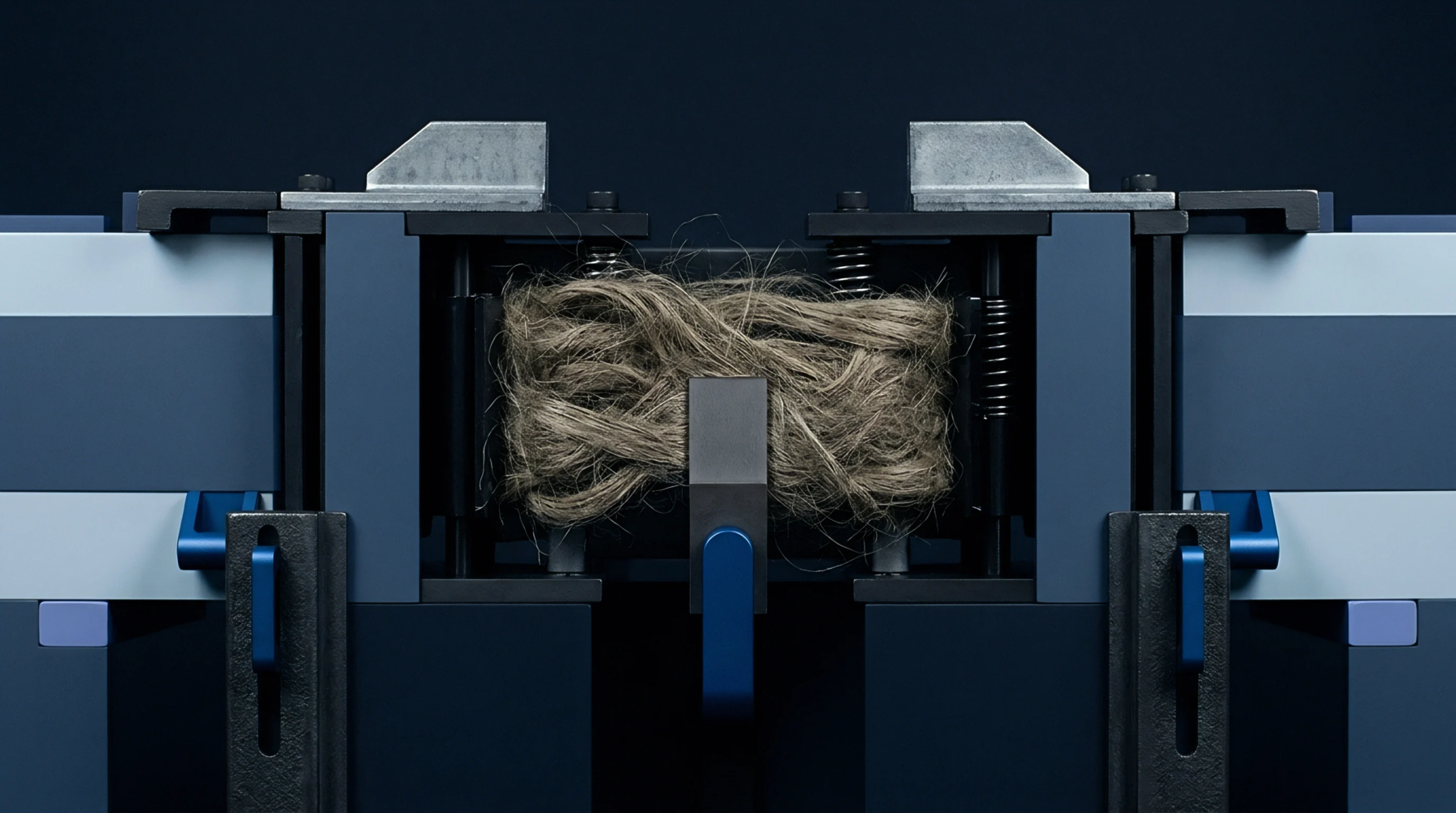
Laboratory personnel perform retting degree verification during the initial processing of flax straw to determine the effectiveness of microbial breakdown of the pectin binding the fibre to the woody stem. This analysis follows the maceration of stalks where moisture and temperature levels induce the fermentation necessary for mechanical separation. Technicians monitor the detachment of the bast fibre from the xylem layer to ensure the duration of field retting matches the maturity of the plant stock.
Insufficient treatment results in harsh, brittle straw while over-treatment compromises the tensile strength of the resulting flax. The assessment relies on the visual observation of fibre loosening combined with a manual pull test to confirm the straw releases cleanly from the core.
Processing Baseline
Consistency in raw material input depends upon the successful application of this verification during the post-harvest stage. Mills utilize the data collected from these inspections to adjust the settings on subsequent decortication machinery. Adjustments to the mechanical beaters depend directly on the brittleness observed in the straw because material that is too soft demands reduced impact force to prevent fibre breakage.
Accurate measurement at this transition point ensures the batch meets the specific quality threshold required for the intended spinning count. Variations in straw maturity across different fields require site-specific observation to prevent uneven output before the material enters the scutcher.
Standard Compliance
Industrial contracts include strict parameters regarding the maximum allowed impurities and residual shive content left on the flax after the retting process is complete. Mill quality control records provide the documentation for these requirements through a report that logs the degree of biological degradation achieved before further physical handling. Buyers compare these internal logs against their own set of acceptance criteria to verify that the incoming material aligns with the requested grade.
A failed verification leads to a downward classification of the fibre lot because the weakened structure of the stalk prevents the production of high-quality long line linen yarns. Consistent adherence to the established testing protocol guarantees that the supply chain maintains the mechanical properties required for standard weaving operations.