Dispute Resolution
Independent testing by an agreed third-party testing authority resolves quality compliance disputes between buyers and sellers in international textile trading. Commercial sales contracts specify referee laboratory arbitration when buyer acceptance testing conflicts with supplier mill quality certificates regarding fiber or fabric properties. The independent facility re-tests binding reference samples using standardized ISO or GB methods to determine contract compliance.
Judgment rendered by the designated laboratory binds both contracting parties and terminates commercial dispute proceedings over the audited shipment parameters.
Testing Procedure
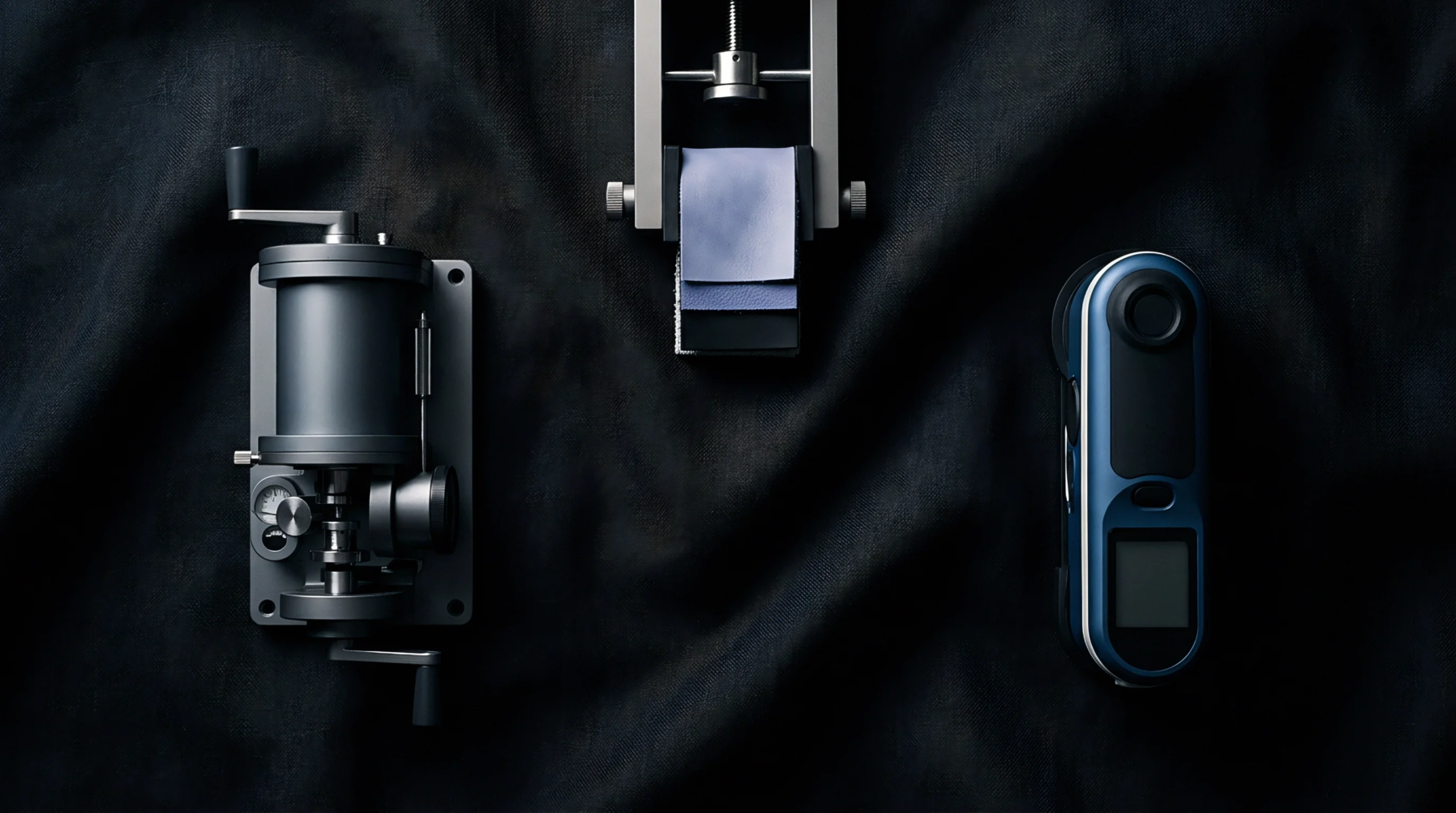
Arbitration proceedings begin when either party submits sealed reference samples drawn during original pre-shipment sampling under joint supervision. The independent testing institution stores samples under controlled conditioning room environments for twenty-four hours before executing blind testing protocols. Qualified technicians perform required physical tests, such as tensile strength, fiber fineness, colorfastness or dimensional stability, without knowledge of prior mill or buyer results.
Dual testing runs verify numerical accuracy before issuing an official arbitration report. The laboratory compares output figures against contract tolerance limits defined in the purchase agreement to determine compliance status.
Financial Settlement
The arbitration report determines contractual liability and governs financial settlement between trading counterparties. If independent test results confirm that fabric meets contracted specification limits, the buyer accepts the shipment. When testing confirms non-compliance, the seller absorbs testing fees and provides agreed price discounts or replacement goods.
Export mills maintain duplicate reference samples under controlled conditions specifically to support independent testing in international commercial disputes.