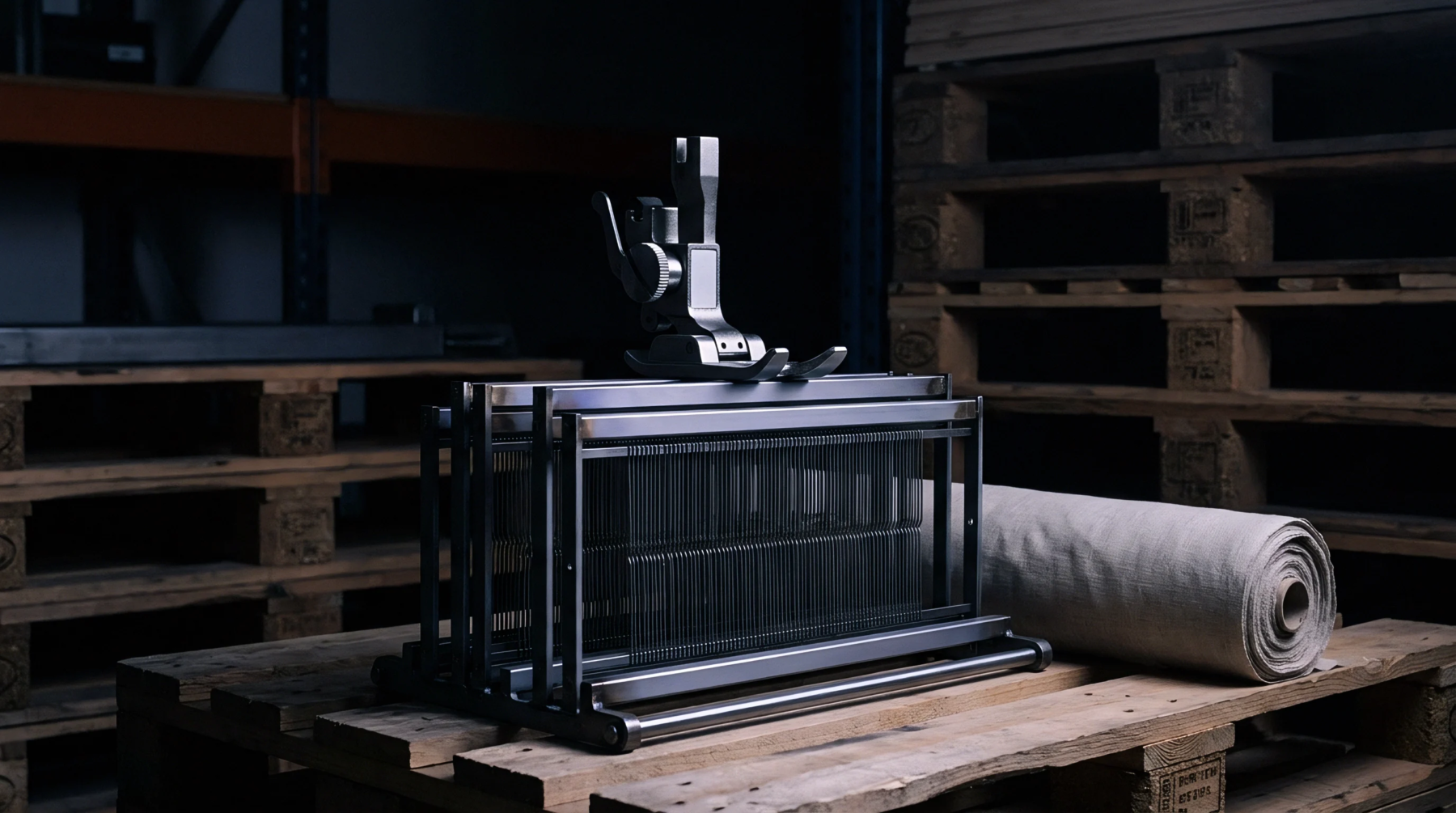
Velocity Adjustment
Decreasing the mechanical acceleration of the weft insertion carrier protects fragile yarns from tensile failure during high speed weaving. Implementing a rapier speed reduction lowers the peak tension imposed on the flax filling yarn as it is pulled across the loom shed. This adjustment is necessary when weaving fine linen yarns that possess low elasticity and are prone to sudden snaps.
Stress Management
High tension during insertion frequently leads to filling breaks that halt loom operation and reduce overall weaving efficiency. Through rapier speed reduction, the tension profile is smoothed out, allowing the stiff flax fibre to bend without fracturing. Although this modification lowers the total picks inserted per minute, it decreases the frequency of yarn breakages, resulting in a more continuous operation and higher fabric quality.
The mill’s maintenance team must calibrate the drive motor and adjust the loom control software to slow the gripper claws during the critical transfer phase in the center of the shed. This precise action prevents the weft from slipping out of the carrier jaws, minimizing yarn waste and protecting the delicate selvedge from uneven yarn loops.
Process Verification
Monitoring the relationship between machine speed and yarn breakage rate allows production managers to determine the optimal settings for each fabric style. When weaving coarse flax yarns, technicians record the required rapier speed reduction on the machine card, balancing output volume against the risk of structural defects. This setting is logged in the daily weaving shed performance sheet to maintain consistency across shifts.