Attachment Mechanics
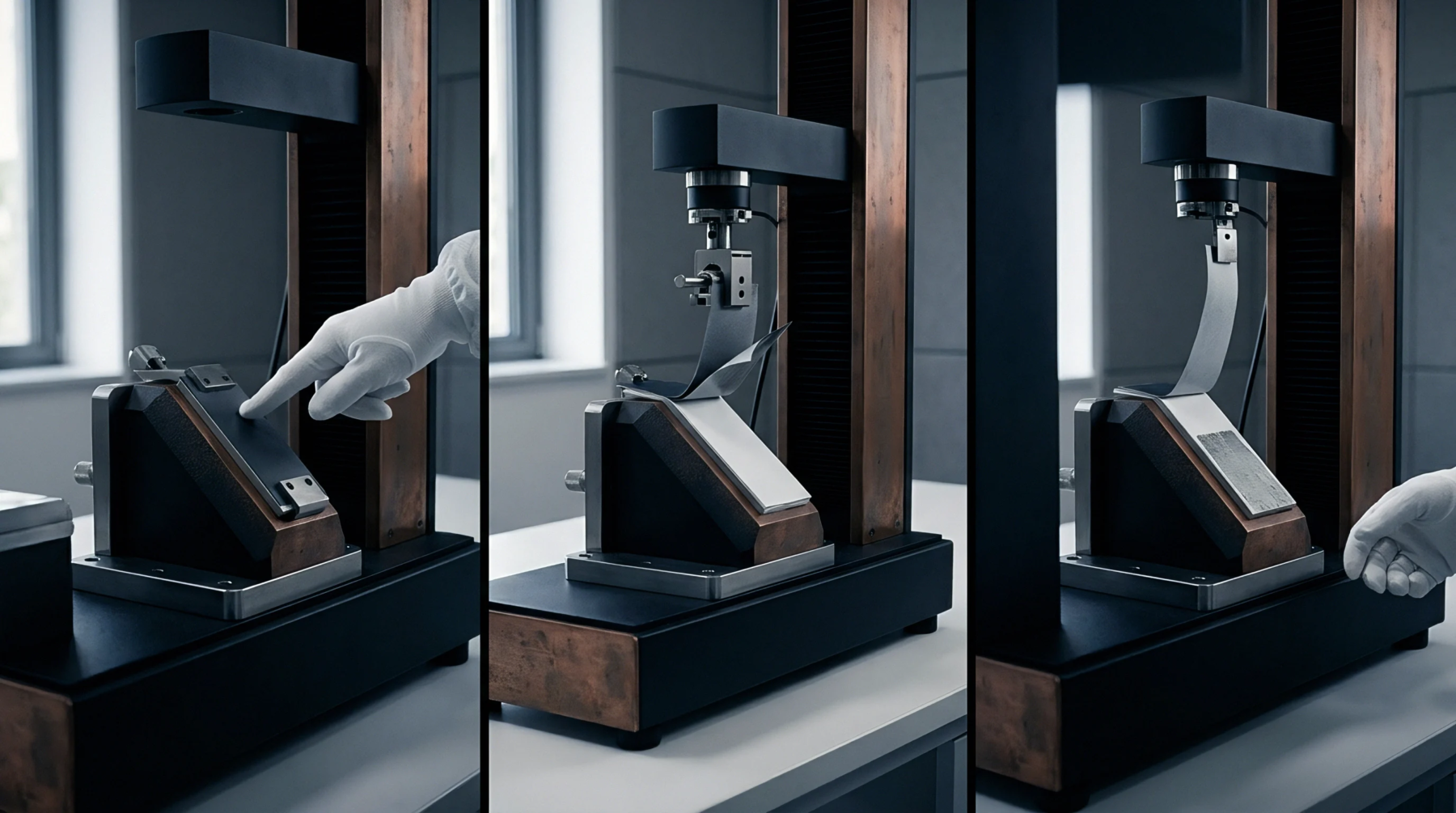
High pressure air cylinders provide the force required to hold fabric rolls in position during automated cutting operations at Chinese flax mills. These pneumatic clamps maintain constant tension against the roll core to prevent slippage while the textile moves through the laser or knife array. Mechanical seals within the piston assembly regulate the force applied to the spindle, ensuring that delicate woven linen remains intact without crushing the inner layers of the bolt.
Proper air pressure modulation reduces the risk of edge fraying or distortion during rapid deceleration phases of the cutting line.
Operation Control
Sensors monitor the air supply consistency to ensure the clamping force remains within specified tolerance levels documented in the mill quality manual. A drop in line pressure triggers an immediate halt to the cutting sequence to prevent material damage or safety risks. Maintenance staff verify seal integrity at periodic intervals to guarantee that no air leakage compromises the grip strength of the mechanism during high volume production cycles.
Each pneumatic clamp functions as a binary device, switching between full engagement and release modes based on signals from the central processing unit of the cutting machine.
Traceability Documentation
Inspection logs record the performance of these devices as part of the total quality management system during the final finishing phase. Production supervisors compare the logged clamp force against the requirements defined in the client purchase order for specific fabric weights. Acceptance criteria for finished linen bolt integrity depend on the accuracy of these records during the export preparation process.
Consistent mechanical performance reduces the frequency of rejected lots during pre-shipment textile audits.