Extraction Metric
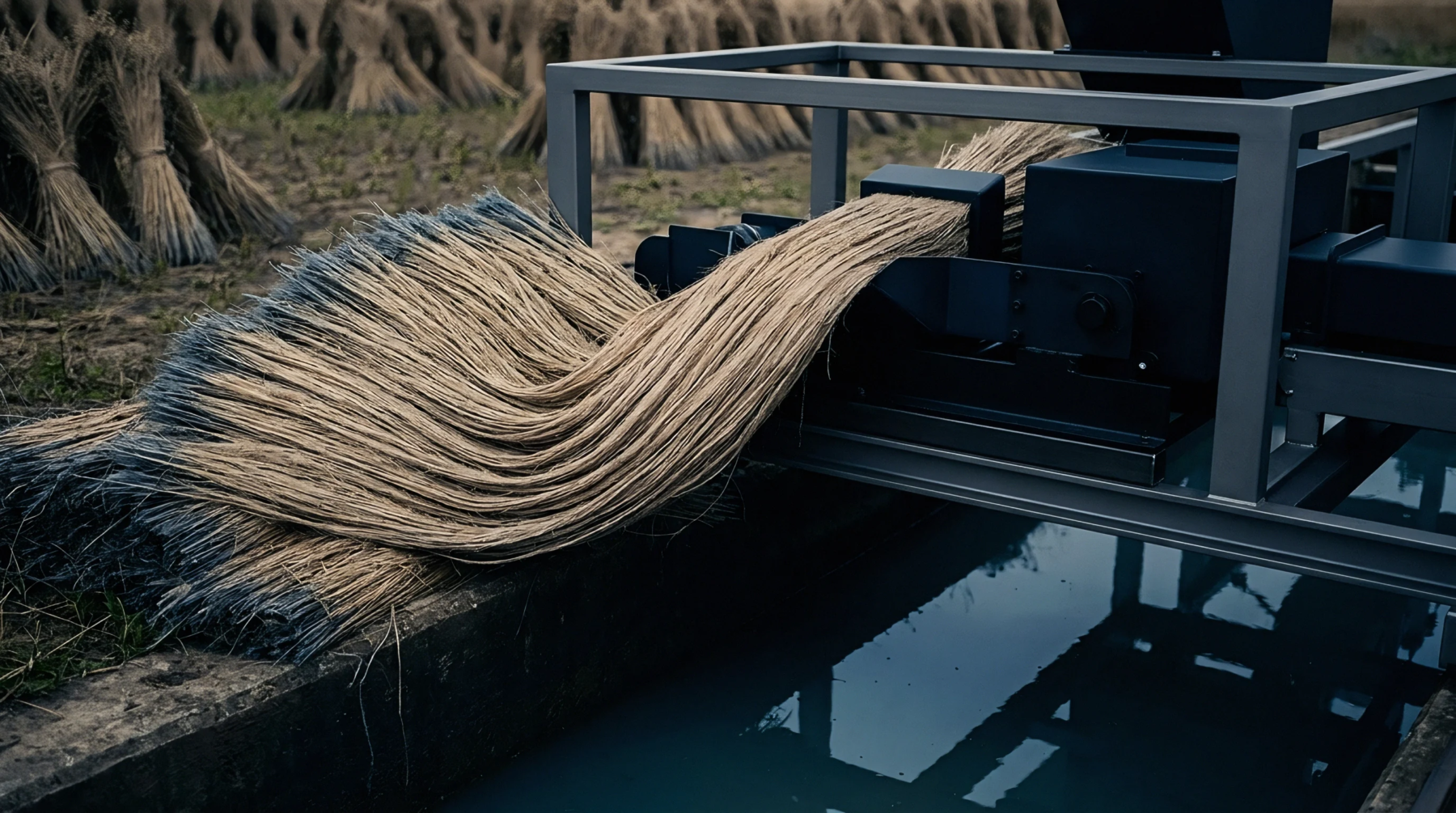
Chemical purification removes pectin and hemicellulose during alkali boiling, leaving non-cellulosic loss to quantify the dissolved mass that leaves the flax rove before spinning. Mills measure non-cellulosic loss on dried yarn samples through weight differentials recorded in the batch technical ledger. Acceptance criteria set by European buyers demand a strict ceiling on non-cellulosic loss to guarantee tensile strength, whereas internal mill standards tolerate broader variances during preliminary wet processing.
Dissolved impurities exit the alkaline liquor without damaging the crystalline cellulose backbone, provided temperature remains below boiling point.
Dissolution Limit
Temperature control during caustic treatment prevents excessive removal of structural polymers that would otherwise weaken the linen substrate. Higher sodium hydroxide concentrations accelerate reactions inside industrial kiers, driving non-cellulosic loss past standard limits and compromising yarn elongation. Operators track chemical consumption rates against incoming fibre grades to stabilise final output specifications.
Subsequent water rinses flush residual saponified matter from the roving before mechanical drawing frames process the material.
Process Verification
Laboratory technicians weigh dried roving before and after caustic scouring to determine exact extraction percentages for the mill quality certificate. Strict adherence to standard testing protocols ensures that measured non-cellulosic loss matches agreed purchase contract thresholds. Commercial disputes arise when independent testing laboratories report divergent mass reductions on duplicate yarn samples from identical shipments.
Exact chemical parameters govern the reliability of this measurement across different production runs.