Binding Mechanism
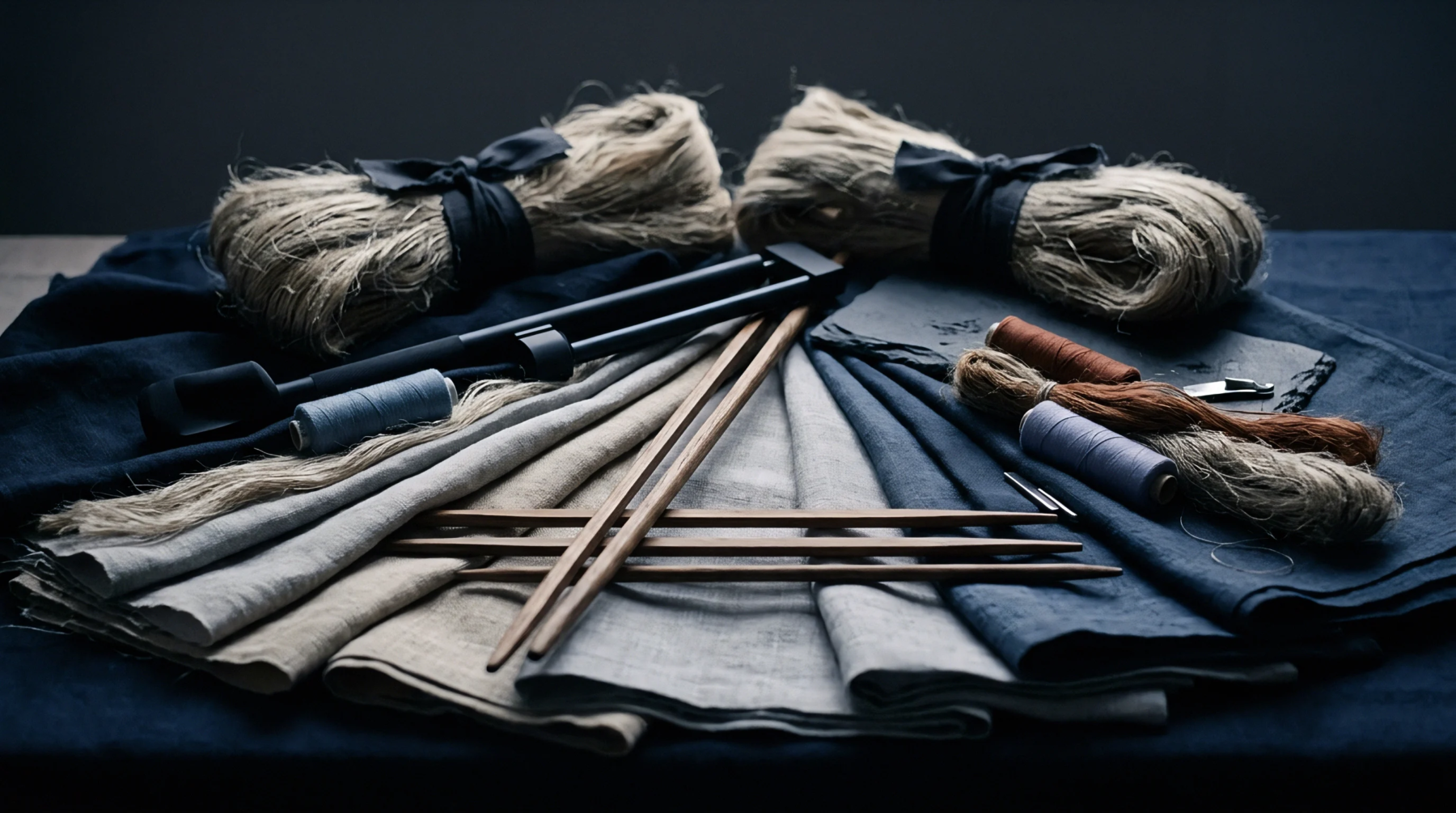
A protective coating applied to flax fibre bundles stabilizes pectins and hemicellulose complexes against thermal degradation during high speed industrial spinning. This non-cellulosic encapsulation shields plant polysaccharides from friction generated at the drafting rollers. Such physical barriers inhibit the migration of natural waxes and resins that cause accumulation on equipment surfaces.
Application of these synthetic or starch-based polymers allows for more consistent tension across the spinning frame. Resulting yarn exhibits higher tensile strength because the fibre structure remains intact under mechanical strain.
Process Verification
Quality control protocols for linen production check these coatings through iodine staining or ultraviolet fluorescence detection after the final stage of carding. Laboratories measure the uniformity of the deposited layer to ensure the protective shell holds throughout the mechanical drafting sequence. Inspectors look for voids or thin patches where the underlying fibre bundles remain exposed to heat.
Records of these density readings appear in the technical specifications provided with the raw material batches. Acceptance criteria for industrial buyers rely on the absence of adhesive buildup on the delivery rollers and the consistency of fibre moisture retention during transit.
Operational Boundary
Production standards distinguish between temporary sizing used during weaving and the more durable treatment applied for fibre preservation. These coatings apply exclusively to the stages prior to yarn formation as the substance is removed during alkaline scouring. Moisture content influences the adherence of the material to the flax surface during the coating phase.
Variations in air humidity within the spinning facility change how the protective layer sits on the fibre. Correct application parameters ensure the structural integrity of the individual flax bundles is maintained until the finishing process begins.