Queue Capacity
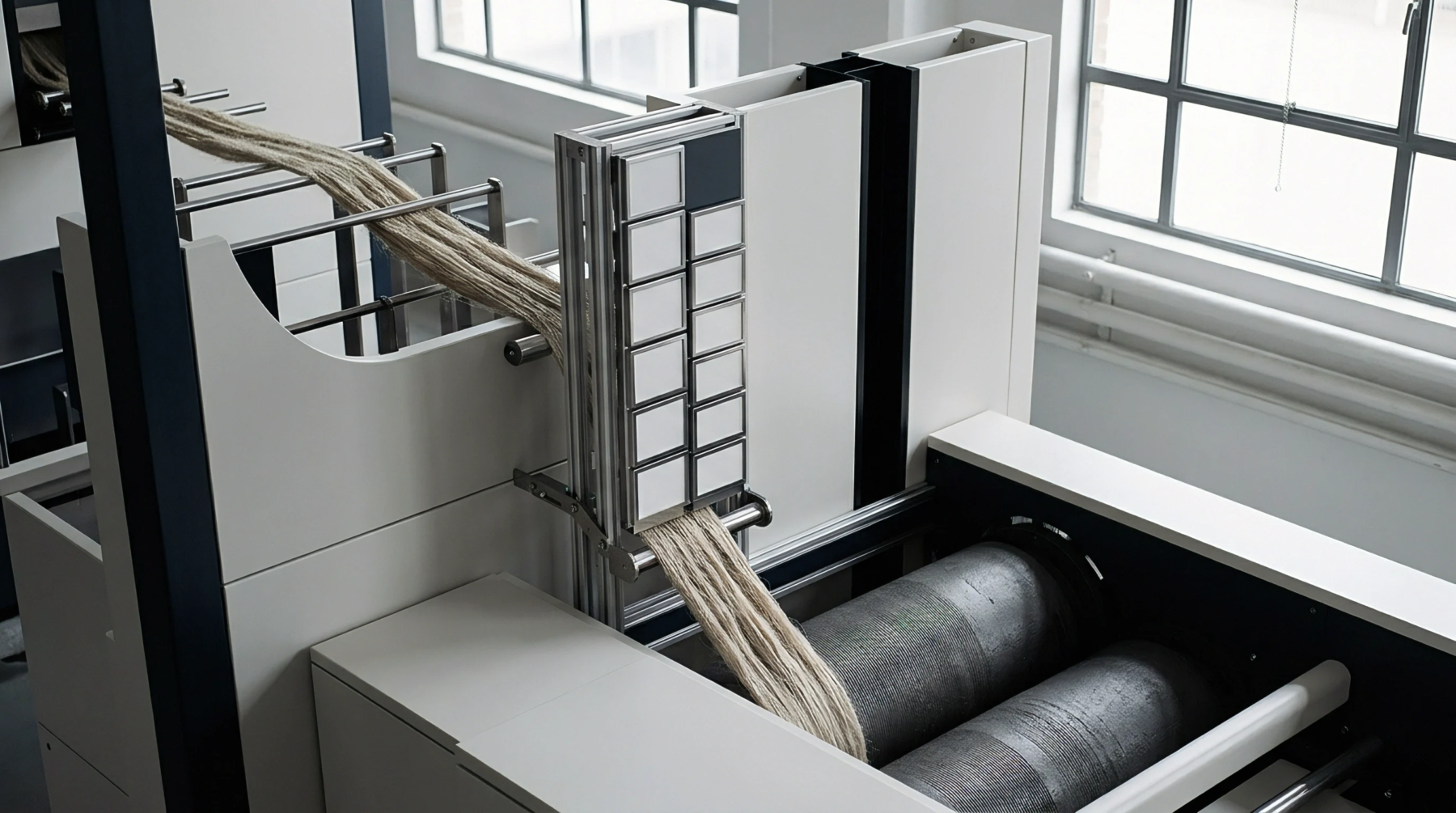
Multiple parallel spinning frames processing coarse flax roving create a multi-server queuing network mathematically modelled as an m/g/c queue where general service times vary according to natural variations in plant fibre density. Spindle allocation formulas calculate waiting line lengths across wet spinning rooms when operators manage several roving packages simultaneously. Service rates fluctuate because coarser bast fibres require extended drafting passes compared to fine line flax, which alters station utilisation across the mill floor.
Buffer Optimization
Workstations holding unspun silver packs accumulate backlog whenever bobbin creeling intervals exceed standard drawing speeds on the preparatory floor. Production supervisors measure idle spindles against starvation durations to maintain balanced flow through the hackling machines without creating excessive inventory between drafting frames. System constraints dictate that waiting time distributions depend on service time variance rather than mean processing duration alone, which requires careful staging of hackled batches before they reach the wet spinning troughs.
Load Distribution
Batch schedules balance raw flax intake against available drafting heads to prevent excessive queuing prior to the final wet spinning stage. Plant engineers adjust machine groupings within the roving department when throughput variations threaten to stall the entire finishing line before yarn winding commences. Operational limits emerge when arrival rates approach total service capacity, causing queue lengths to grow non-linearly across the spinning floor.