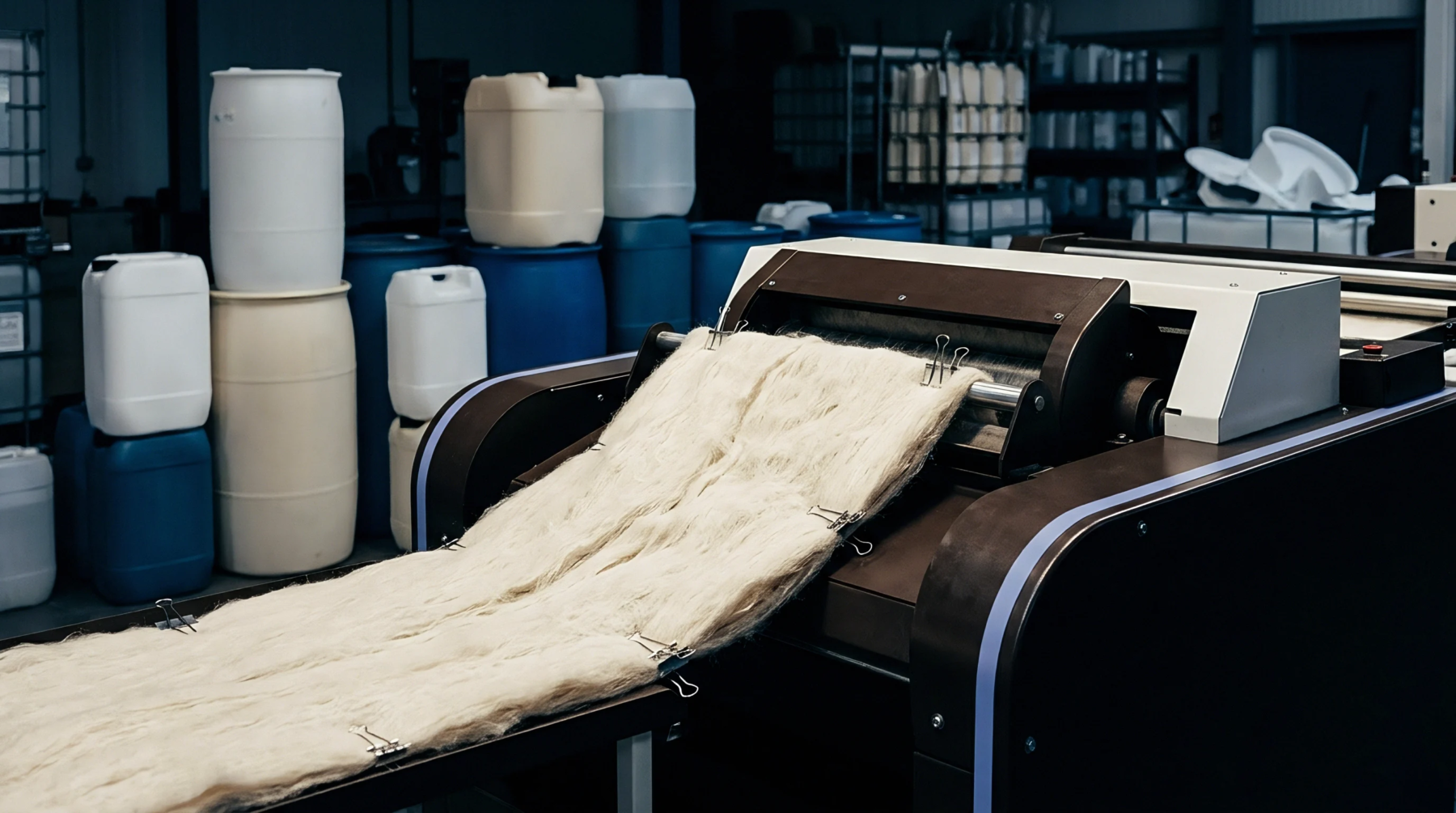
Production Tension
Increased force applied to longitudinal yarns during high speed mechanical processing degrades fiber integrity through cumulative fatigue. Loom speed warp strain measures the tensile stress exerted on flax yarns as machines transition from standard operating velocity to high speed manufacturing cycles. This metric identifies the threshold where physical load exceeds the natural elongation limit of the cellulose bundle before structural breakage occurs.
Excessive speed accelerates the friction between reeds and harnesses, causing microfractures that compromise the strength of finished textile rolls. Proper monitoring prevents the premature shearing of yarns during the shedding phase of production.
Mechanical Threshold
Tension profiles remain distinct from raw fiber strength grading because the testing occurs within the integrated weaving environment rather than a stationary laboratory frame. A loom speed warp strain analysis quantifies how repetitive oscillation affects yarn coherence under specific ambient humidity conditions found on the factory floor. Procurement contracts often reference these values to distinguish between high yield industrial flax and finer varieties prone to snapping under high frequency impact.
Production managers adjust the harness timing to mitigate the peak forces recorded in the weekly quality report.
Analytical Result
Calibrations derived from this evaluation ensure that equipment output remains aligned with the tensile capacity of the sourced material. Variations in spinning quality introduce inconsistencies that propagate directly into the weaving phase, forcing a reduction in operational speed to protect the integrity of the warp. Maintaining optimal force limits prevents the accumulation of waste and improves the final durability of the linen fabric across all standard production batches.
Consistent adherence to tension limits defines the output quality of high speed linen manufacturing.