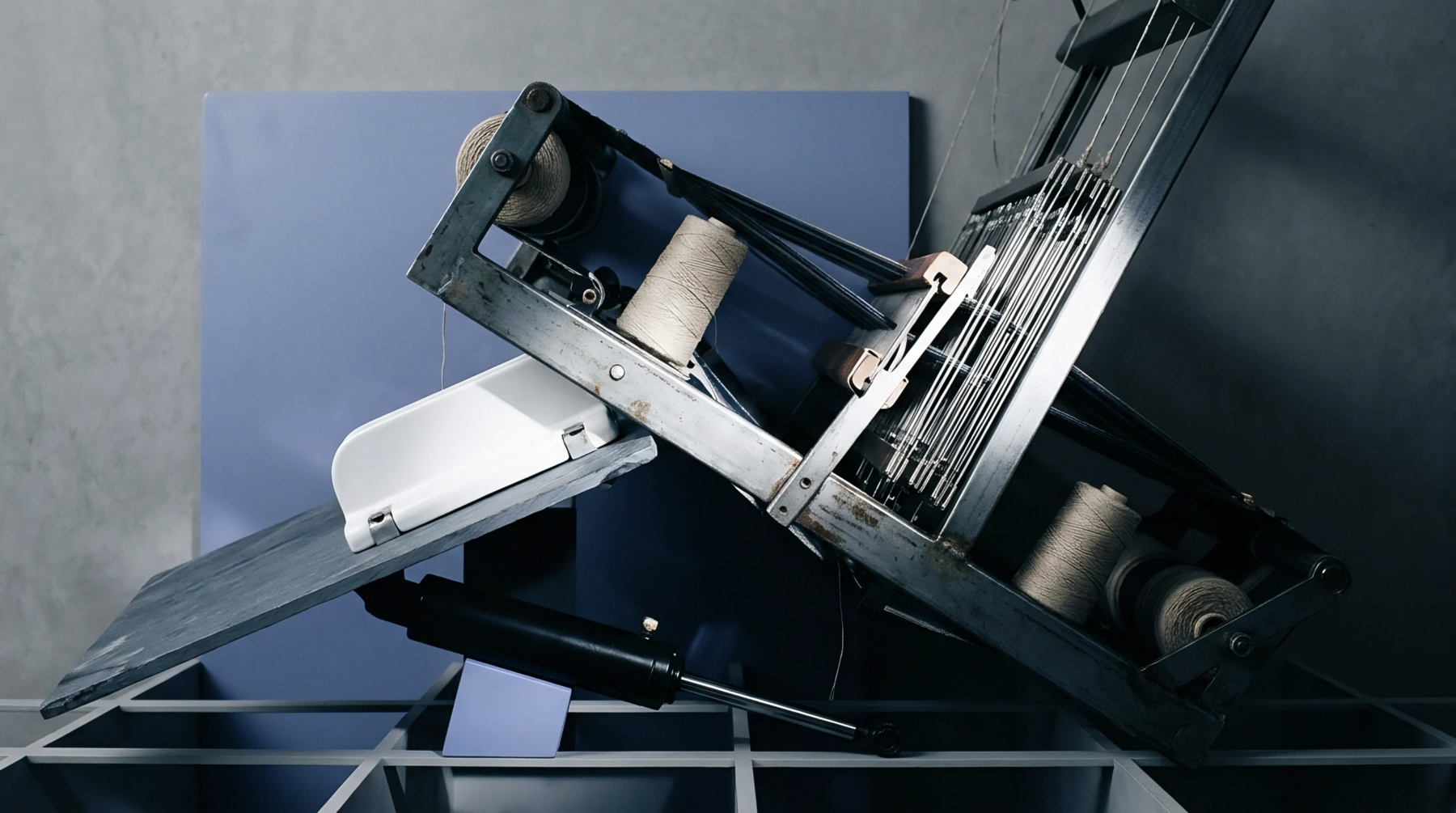
Drive Synchronization
Automated velocity matching between adjacent machine stages ensures that tension remains constant throughout the spinning process. Accurate line speed coupling prevents the yarn from sagging or snapping as it moves from the drafting rollers to the take up bobbin. This mechanical coordination relies on sensors that communicate the real time rotation frequency to a central controller.
If the two stages lose their timing, the material suffers from uneven thickness or complete breakage.
Operational Linkage
The electronic link between the motor drives allows for smooth acceleration and deceleration of the entire production line. During the start of a shift, line speed coupling ensures that every component reaches the target frequency simultaneously to minimize waste from low quality startup yarn. The system monitors the load on each motor and adjusts the voltage to maintain the precise ratio required by the yarn count.
A dedicated circuit handles these micro adjustments to avoid the lag associated with manual intervention. This linkage remains active during emergency stops to prevent the mechanical damage caused by sudden torque imbalances.
Production Velocity
Setting the master rate for the mill requires a deep understanding of how the individual units interact under high load. Proper line speed coupling allows the mill to operate at the highest possible output without sacrificing the structural integrity of the flax fibres. The documentation for the machine setup includes the specific coupling ratios used for different linen grades and densities.
When a technician changes the product type, the software updates these parameters to ensure the new yarn undergoes the correct amount of drawing.