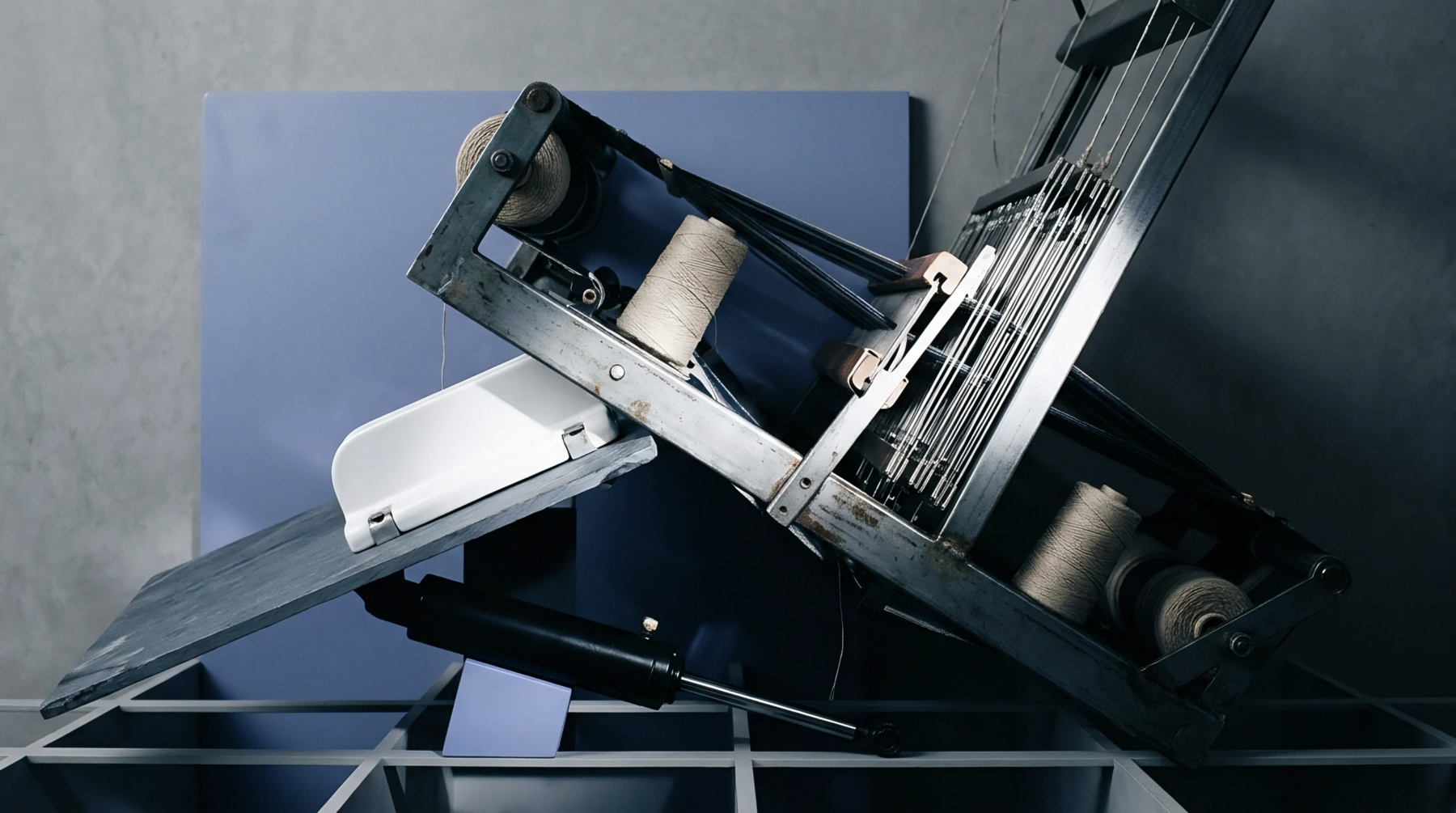
Optical calibration
Light measurement hardware determines the brightness levels detected at sensors during the finishing stage of linen production. This photometric threshold defines the intensity boundary above which a surface defect becomes visible to automated inspection cameras. Machines compare the reflected light from cloth against this set value to identify potential flaws such as missing warp or uneven dyeing.
Sensors fail to record variations that stay below this specific calibrated point.
Measurement protocol
Engineers configure the software in the finishing plant to ignore noise from stray light reflections on high speed conveyors. The setting stays stable throughout the batch run to ensure consistent quality control reports for the final export lot. Variations in fabric color or texture density require adjustments to the sensor sensitivity to prevent false rejections.
Technicians verify the accuracy of this value before starting the inspection of every new grade of linen material.
Process integrity
Consistent lighting control across the entire surface of the fabric provides reliable data for the quality log. This numerical limit dictates the sensitivity of the entire automated system. A higher value reduces the number of small defects captured by the camera while a lower value increases the likelihood of flagging minor surface inconsistencies.
Accurate calibration ensures the production line meets the acceptance criteria established by the commercial buyer.