Enzymatic Bleaching
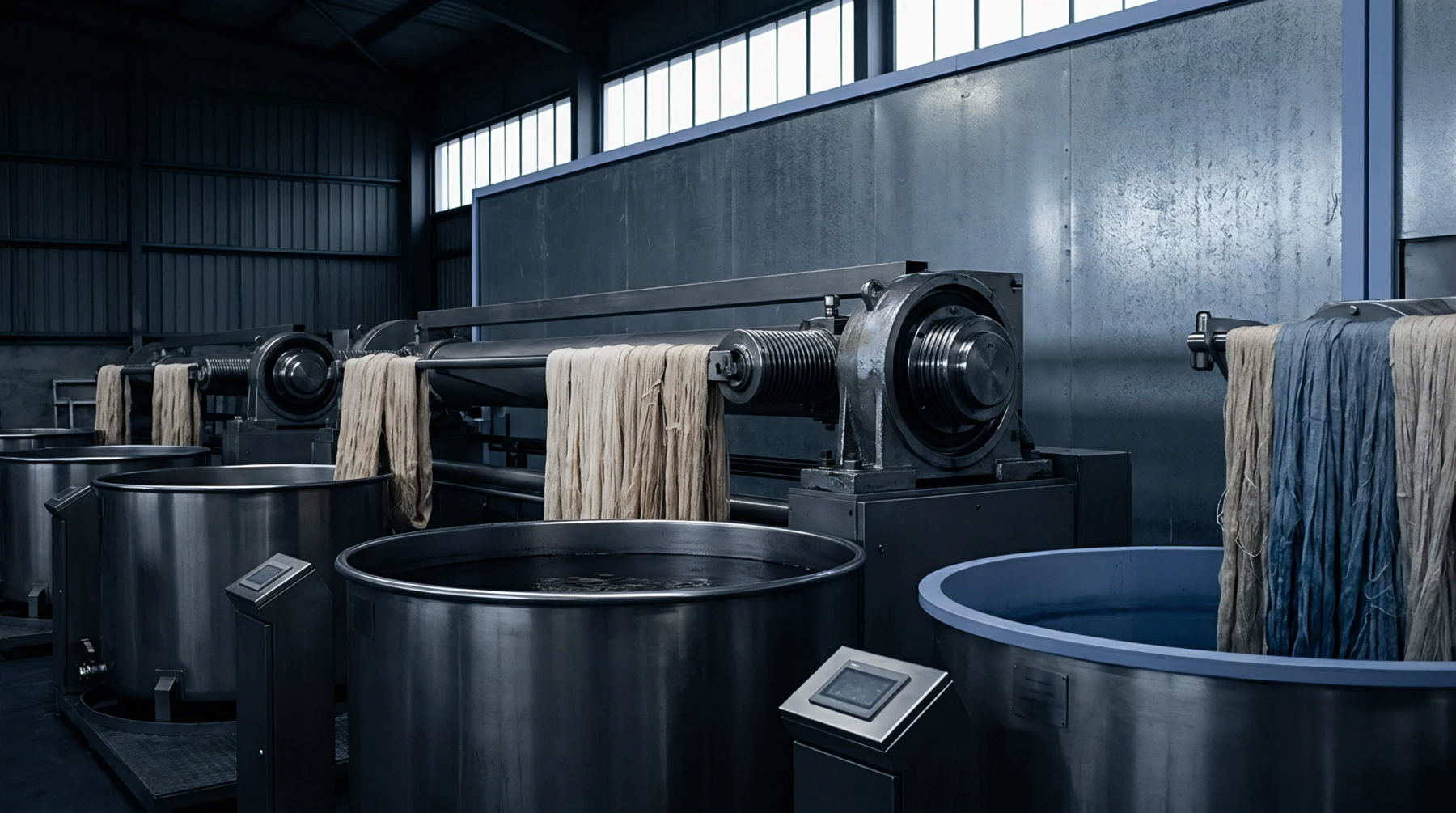
Oxidation technology based on fungal proteins operates during the wet preparation stage of Chinese flax processing to lift natural lignins from the bast fibre before yarn spinning commences. The laccase mediator system couples copper containing enzymes with synthetic accelerators to catalyze electron transfer reactions that oxygen gas drives without requiring heavy chlorine agents. Mills record residual peroxide and whiteness index values in the technical production passport accompanying each batch.
Catalytic Kinetics
Process efficiency depends entirely on maintaining precise pH ranges between four and six alongside controlled temperatures inside stainless steel reaction vessels. Small molecule enhancers diffuse rapidly into the tightly packed pectin layers of the raw flax stem, bridging the steric hindrance gap that prevents large enzyme proteins from reaching internal phenolic structures. Industrial scale operations track specific redox potentials through continuous amperometric sensors mounted on the discharge line of the washing chambers.
Acceptance Thresholds
Fabric buyers inspect finished linen goods against standardized greige property tables where residual lignin content dictates final tensile strength retention. Exporters verify that enzymatic oxidation levels meet contractual whiteness targets without causing cellulose depolymerization that weakens the staple fibre during carding. Commercial contracts specify strict penalties for excessive weight loss arising from over treatment during the bioscouring phase.