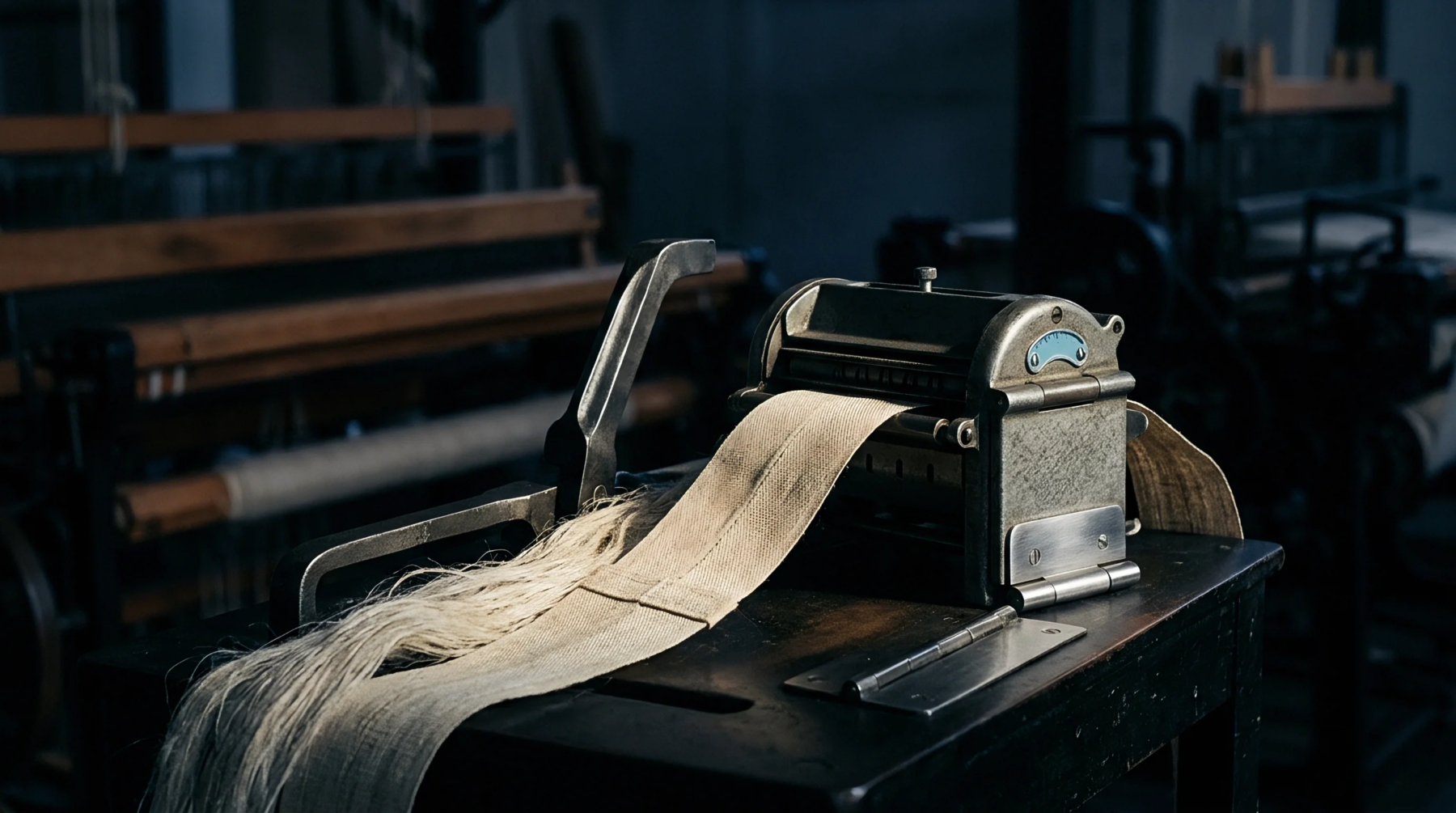
Tensile Measurement
Standardized procedures for determining the breaking strength of textile materials provide a consistent framework for quality assurance in global trade. Proper use of iso 13934 yarn testing ensures that every lot of flax thread meets the minimum load requirements specified in a purchase contract. The method involves pulling a sample at a constant rate of extension until failure occurs.
Methodological Detail
Laboratory technicians must condition the yarn at a specific humidity and temperature for twenty-four hours before beginning the trial. This ensures that the moisture content of the linen does not skew the results, as damp flax is stronger than dry flax. The test captures the maximum force reached before the specimen snaps and records the percentage of elongation at that point.
Consistent data from these trials allows the weaving manager to predict how the yarn will behave under the stress of high-speed looms.
Application Range
Testing results are valid only when the equipment is calibrated according to international metrology standards. These figures serve to verify that a mill can fulfill its technical obligations to industrial buyers who require high-tenacity thread for heavy canvas. The report generated from this process is the final arbiter of material quality for the batch.