Mechanical Tolerance
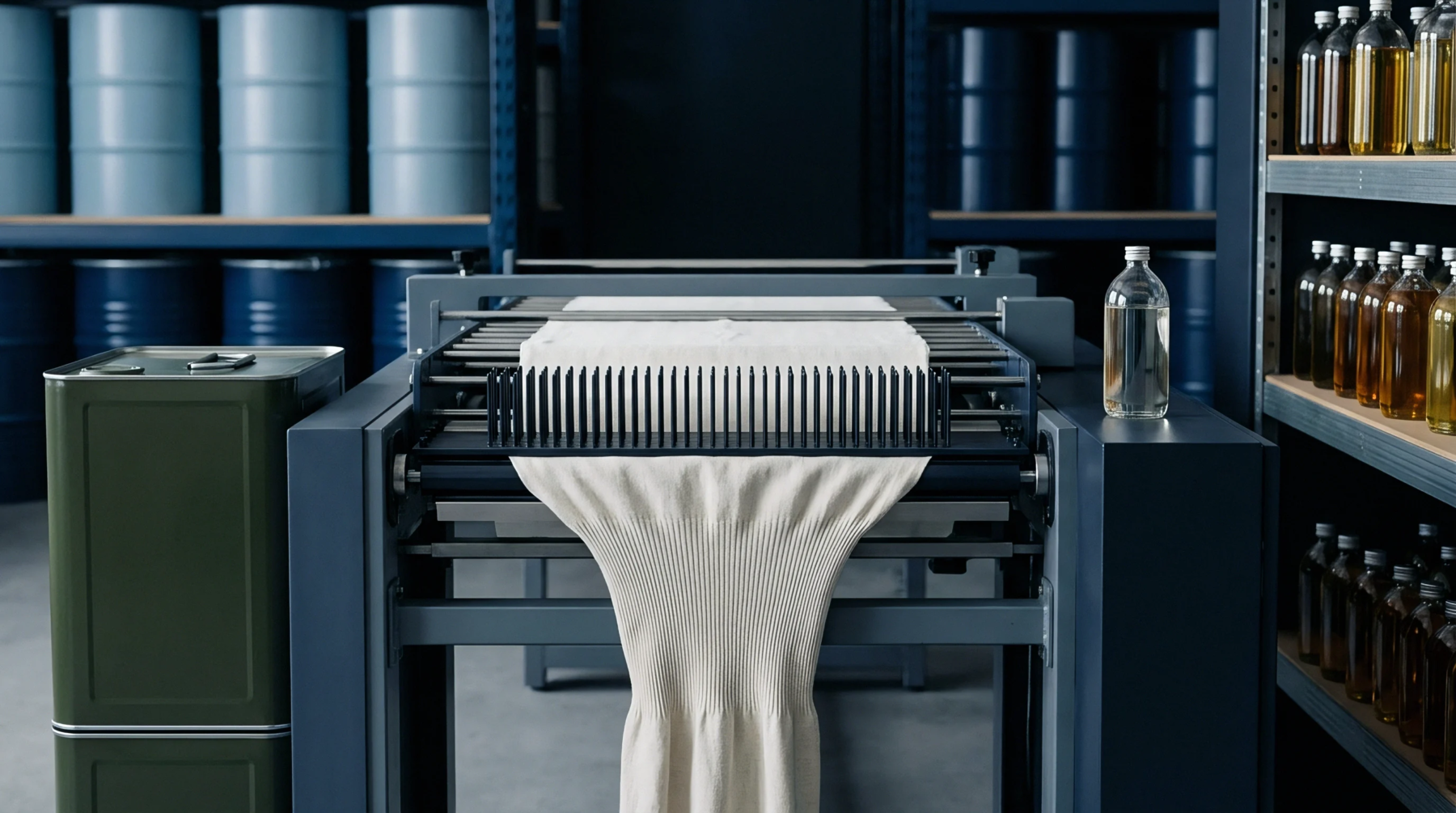
Automated weaving loom adjustment defines the specific spatial variance maintained between the warp yarn sheds during the shedding cycle to prevent mechanical interference or yarn abrasion. This harness frame depth compensation operates by calibrating the vertical movement of the heald frames to ensure consistent tension across all shed layers. The mechanism monitors the angular displacement of the crank shaft in relation to the heald motion profile.
Sensors transmit data to the central processing unit which triggers corrective shifts in the cam positioning. Precise synchronization prevents the top and bottom shed lines from colliding when the loom operates at high rotations per minute. Excessive friction against the warp ends drops significantly when this automated correction maintains the planned clearance.
Adjustment Protocol
Factory technicians verify these settings during the loom setup stage when switching between different linen fabric constructions. Quality controllers examine the digital logs recorded during the initial weaving trials of a production run. The mill standard requires that the frames align within a tolerance of one millimeter to preserve the integrity of the flax fibres.
Buyers expect this documentation within the technical specifications provided for every woven fabric export shipment. Differences between a mill internal quality target and the client acceptance criteria occur when a contract demands stricter warp handling for delicate decorative linen products. Staff perform a manual check of the frame positioning after every major change in the yarn count or the reed density.
Proper alignment holds the warp shed open for the required duration without forcing the shuttle or rapier through an obstructed path.
Operational Consequence
Consistent fibre protection relies entirely upon the spatial accuracy provided by this hardware configuration. High speed production stresses the natural structure of the flax, yet the automatic correction reduces the likelihood of warp breakage. Weaving plants maintain better yield rates by preventing the minor collisions that occur when frames drift from the intended center line.
Machines operating without this active correction frequently show inconsistent surface regularity in the finished cloth. Accurate depth setting represents the primary barrier against premature wear of the heald wires.