Material Recovery
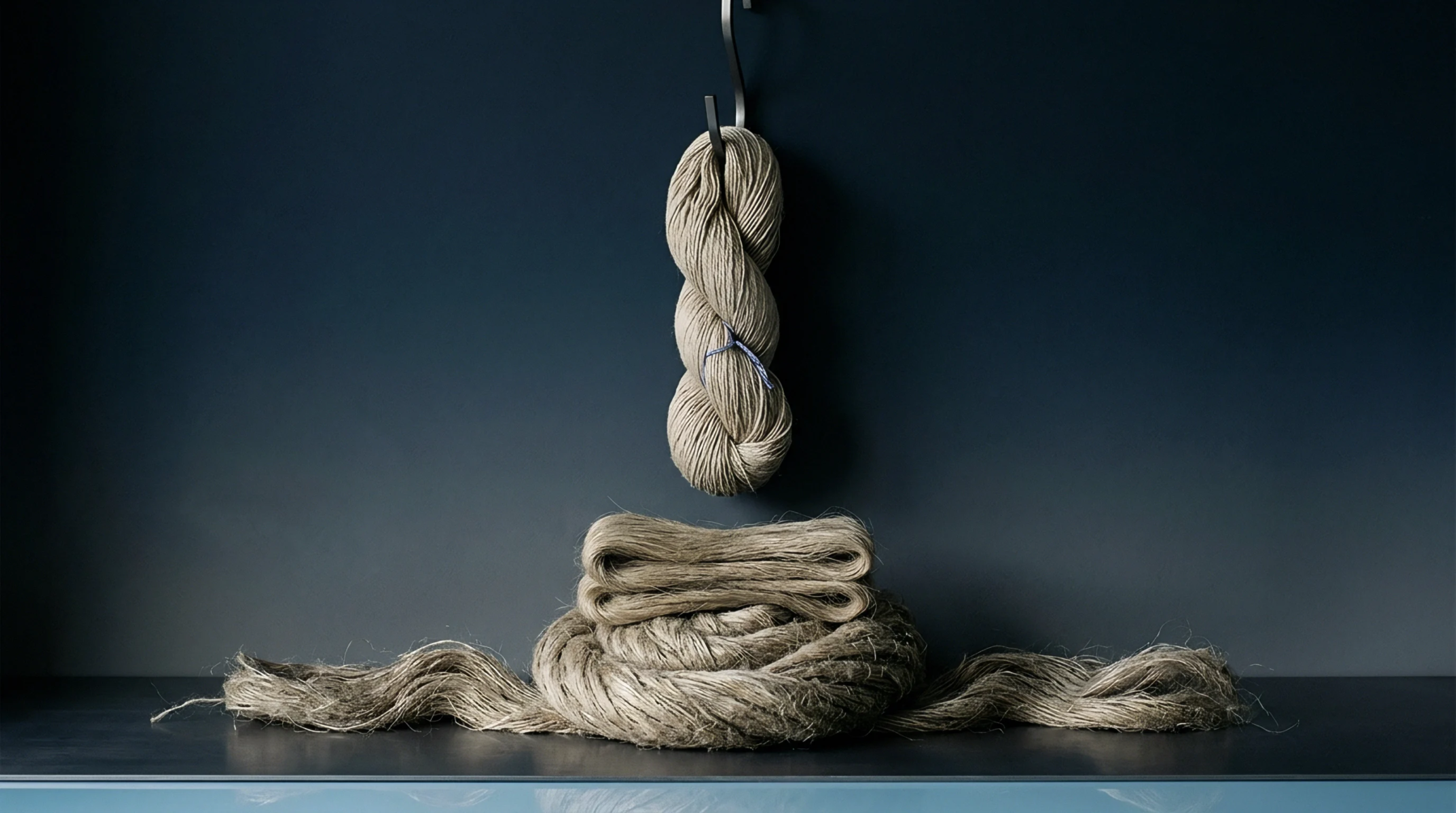
Percentage of the original raw flax that remains as long, parallel strands after the combing process. Such hackling long fibre yield is the primary indicator of the economic value of a flax lot. It measures the success of the mill in preserving the most valuable filaments while removing the shorter tow and woody waste.
High-quality flax straw usually results in a yield that justifies the cost of high-end wet spinning.
Processing Quality
Precision in the alignment of the hackling pins determines the efficiency of the fibre separation. If the hackling long fibre yield is lower than the historical average for a specific grade, the mill investigates the moisture level of the raw material. Brittle fibres tend to snap during the combing action, reducing the yield of long line flax.
Constant monitoring of this ratio allows the mill to optimize the machine speed for different fibre origins.
Economic Impact
Profitability of the spinning operation depends on maximizing the output of long fibres. Because the price of long line flax is significantly higher than that of the tow byproduct, the hackling long fibre yield is tracked on every batch. This data informs the purchasing department about the performance of different flax growers.
High yields are the foundation of a competitive linen spinning mill.