Intermediate Material
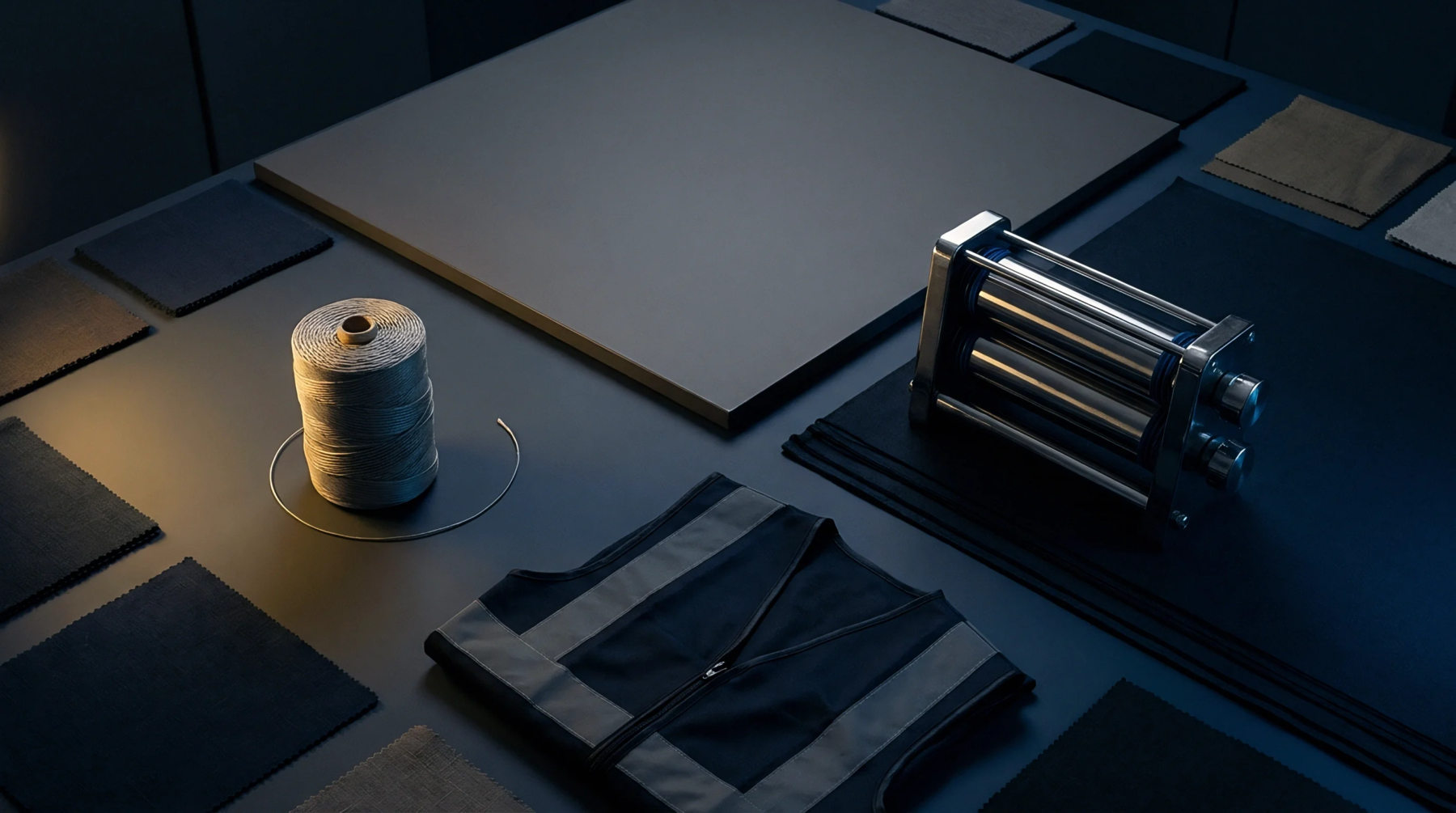
Spun flax fibre that has not yet undergone bleaching, dyeing, mercerization and scouring is an essential precursor for many textile products. This natural material is commonly known as grey linen yarn. It retains the natural colour of the flax plant which ranges from light tan to dark charcoal depending on the retting conditions.
This material provides the primary input for weaving mills producing traditional linen textiles.
Physical State
Residual pectins and hemicelluloses give the yarn its characteristic stiff hand and slightly uneven surface. Small pieces of woody core known as shives are often visible in the twist of grey linen yarn at this stage. These impurities are removed later in the fabric finishing process to reveal the smooth texture associated with high-quality linen.
The yarn is usually wound onto large cones or beams for transportation from the spinning mill to the weaving shed.
Downstream Processing
Moisture levels must be carefully controlled when storing this raw yarn to prevent the growth of mildew or the degradation of the natural fibres. Excessive dryness makes the yarn brittle and prone to snapping during high-speed warping. Proper conditioning ensures that the yarn remains pliable enough for the mechanical stresses of the loom.