Raw Specification
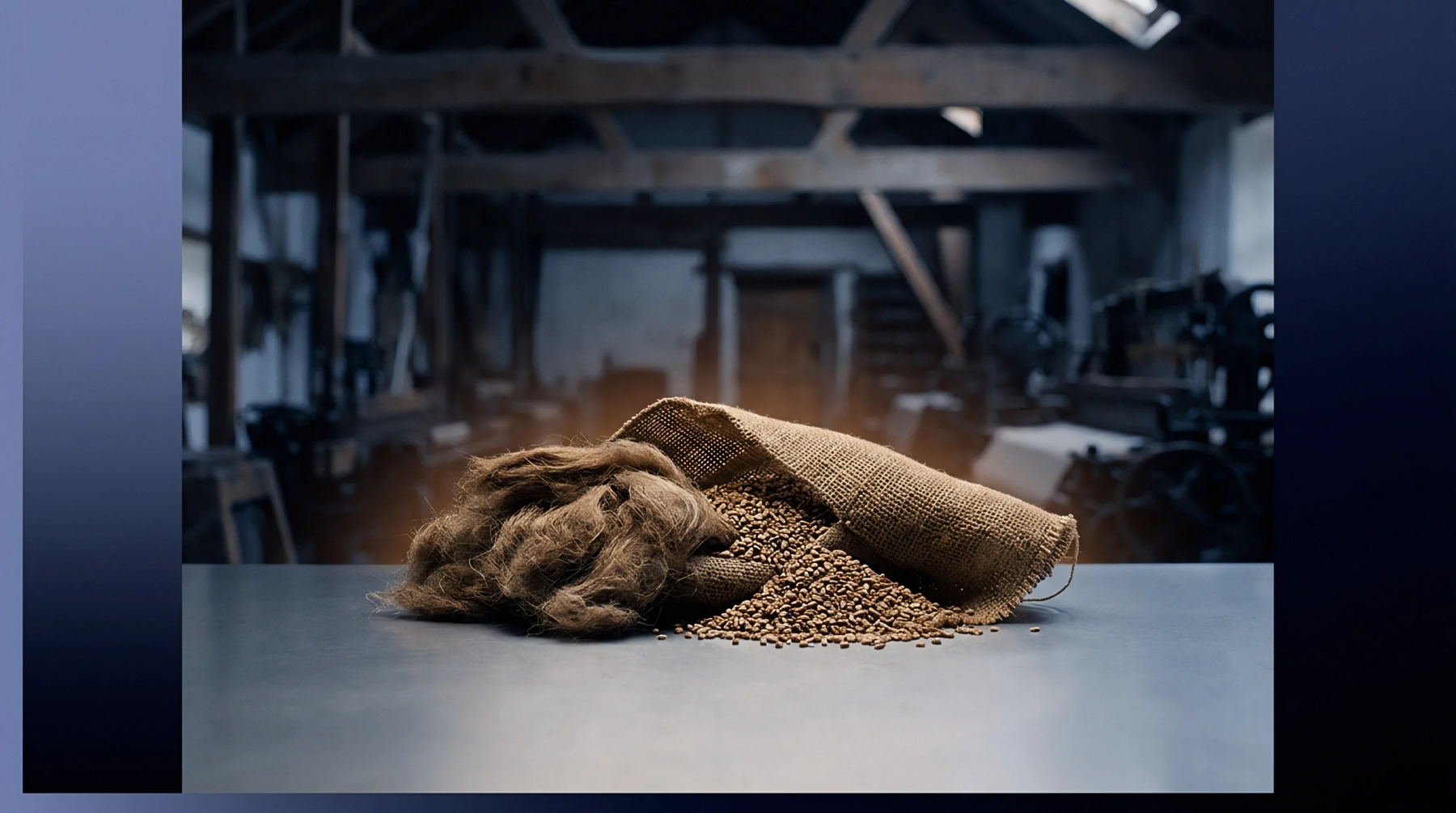
Unprocessed textile material characterizes greige flax fabric at the stage of emergence from the power loom before the application of any bleaching or dyeing treatments. This intermediate state contains residual oils and plant waxes that hinder moisture absorption but provide natural protection to the fibres during transport. Mechanical cleaning of the stalk generates the primary fibre which spinning mills then convert into yarn for production.
Final acceptance depends on the assessment of impurity levels and the count consistency of the warp and weft.
Production Assessment
Quality inspection of these goods focuses on the absence of chemical contaminants and the integrity of the base construction. Laboratories evaluate the tensile strength of the dry material to verify that the raw fibres remained stable throughout the weaving process. Mill reports identify potential defects such as needle holes or variations in tension that will appear once the material undergoes scouring.
Buyers monitor the density of the grid to ensure that the physical characteristics meet the requirements of downstream finishing houses.
Traceability Requirement
Proper documentation accompanies every bale to confirm the origin of the plant material and the settings used during the industrial manufacture of the textile. Certificates generated at the loom stage record the moisture content at the time of packing to prevent biological degradation during sea transit. Shippers verify that the container conditions maintain the integrity of the cellulose structures to protect the value of the stock.
Accurate weight logs at the point of origin prove the physical mass of the shipment and determine the final settlement amount for the buyer. The economic value of this material rests on its potential for chemical modification in subsequent finishing stages.