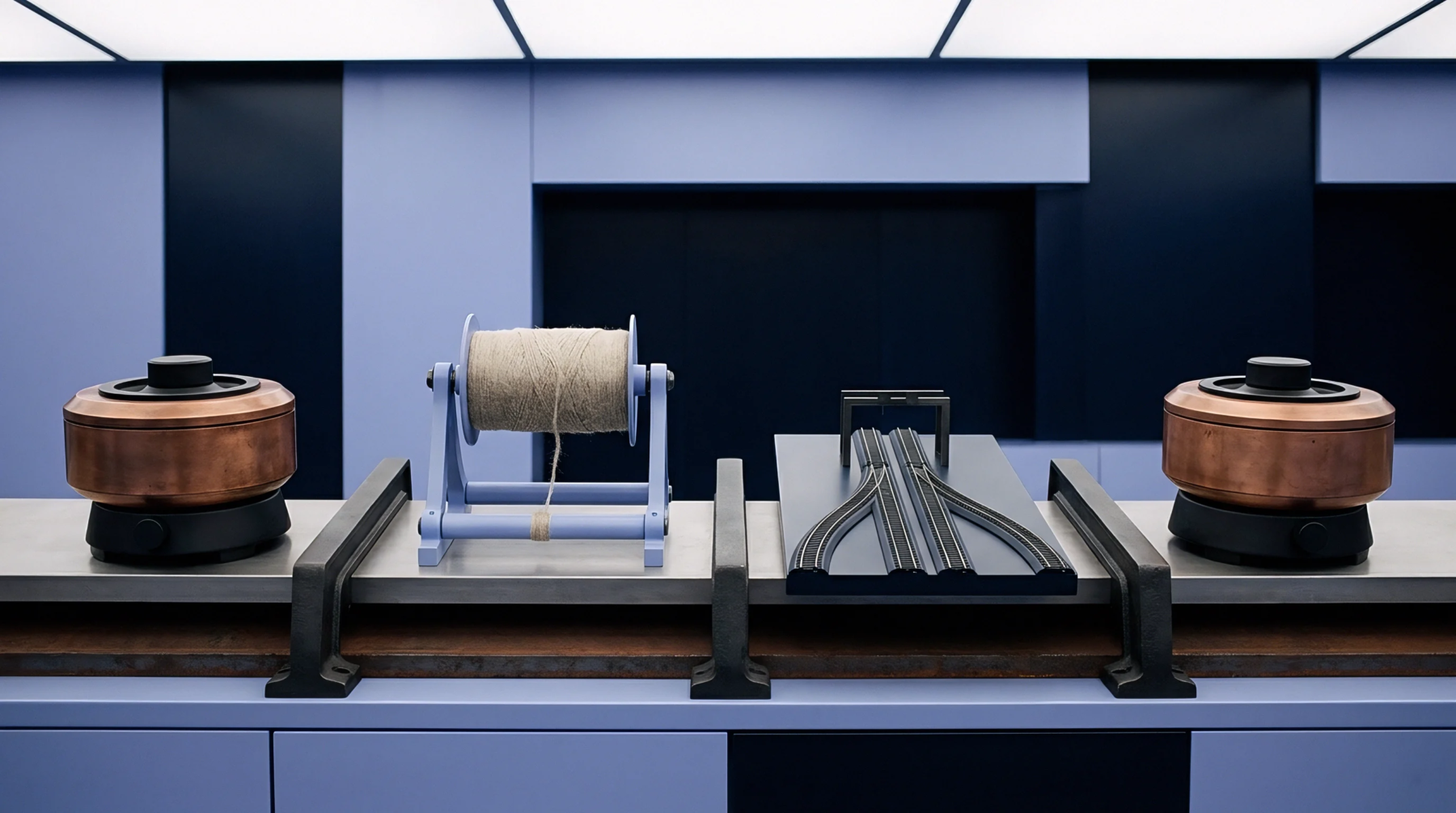
Thermal Moisture Regulation
Thermal drying equipment regulates the atmospheric water content in textile materials to determine precise weight values before laboratory testing. A forced-air conditioning oven accelerates the removal of water from flax fibres or finished yarn to reach a constant mass. This device uses mechanical fans to circulate heated air through a sample chamber, ensuring an even distribution of heat.
It removes ambient humidity from the samples to satisfy international standards for testing textile mass. Accurate dry weight measurements rely on the complete extraction of internal moisture.
Operational Calibration Protocol
Procedures for checking equipment reliability involve verifying temperature stability and airflow uniformity across the internal drying rack. Each forced-air conditioning oven requires validation against a calibrated thermometer to confirm the heating elements function within defined limits. Technicians perform these checks to prevent fibre degradation from excessive heat exposure during drying cycles.
Standardized testing protocols dictate the specific temperature range for drying natural fibres like flax to avoid chemical damage to the cellulose structure. Regular calibration prevents drift in mass calculations during production assessments.
Acceptance Criteria Application
Textile manufacturers apply drying results to reconcile shipping weight against the agreed commercial moisture regain for flax yarn. Buyers demand proof that the forced-air conditioning oven yielded a stable dry mass before calculating the final invoice amount for a shipment. Discrepancies between mill weight and arrival weight often arise if environmental humidity levels vary between locations.
This system provides a verifiable basis for settling weight disputes by isolating the fibre mass from moisture content fluctuations. Documented drying records verify that the material meets the quality requirements of the purchaser.